
GOP Senators Delay Trump $1.8B Fund Over Divisions

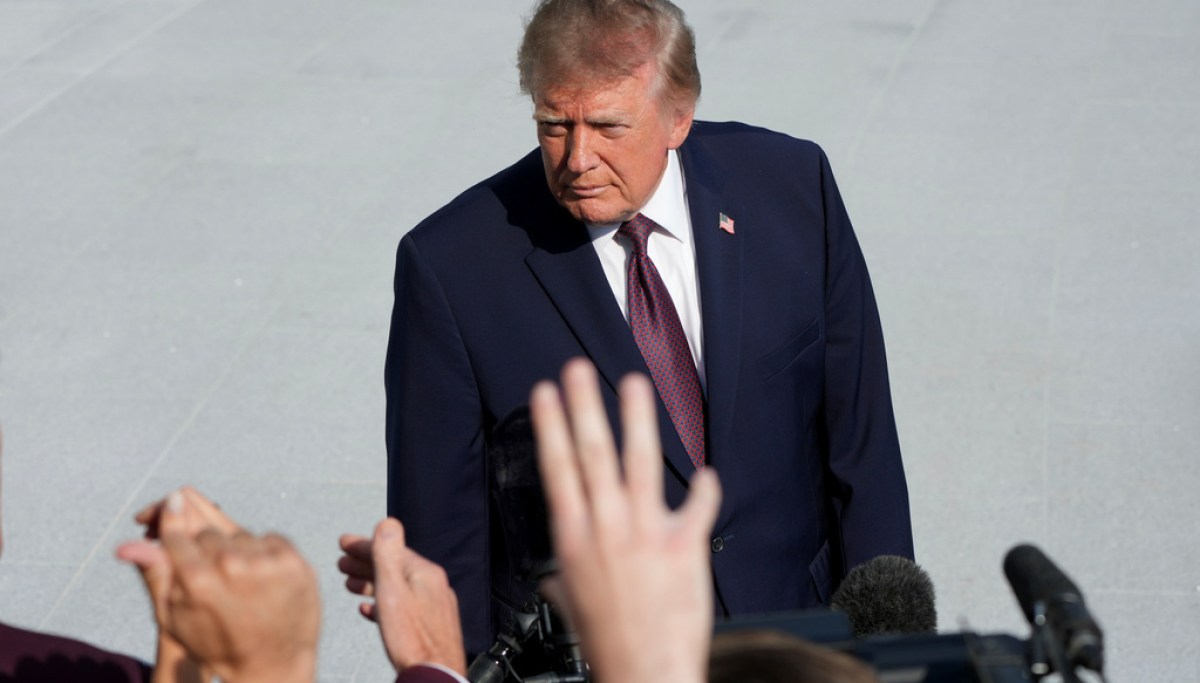
Cover image from thedispatch.com, which was analyzed for this article
Republican lawmakers expressed strong opposition to the proposed fund intended to support those facing alleged political persecution, with critics viewing it as a vehicle for rewarding allies. The Senate delayed action amid internal party divisions.
PoliticalOS
Friday, May 22, 2026 — Politics
The $1.776 billion fund arises from an IRS lawsuit settlement and now faces Senate Republican hesitation over eligibility and political costs. Its implementation hinges on unresolved questions of oversight and whether payments will reach individuals convicted for January 6 conduct.
What outlets missed
Most coverage omitted the fund’s origin in the federal Judgment Fund statute and its lack of direct cash transfers to Trump or his family. Few outlets examined the resignation timing of Treasury lawyer Brian Morrissey or the specific eligibility language absent from the settlement documents. Reporting rarely contrasted the DOJ’s stated rationale with the narrower focus on January 6 plaintiffs found in officer lawsuits.
Taxpayers now face the prospect of funding a $1.776 billion claims process created through a Justice Department settlement, while Senate Republicans weigh whether to advance or block the program. The fund stems from the resolution of President Donald Trump’s lawsuit against the IRS over leaked tax returns, drawing from the federal Judgment Fund to address claims of investigative overreach. Critics argue the mechanism could extend payments to individuals convicted in the January 6 Capitol events, creating fresh political risk for the party ahead of the midterms.
Senate Majority Leader John Thune and other GOP lawmakers have postponed committee action on related measures, citing internal disagreements over oversight and eligibility rules. Anonymous Republican senators told Punchbowl News that advancing the president’s priorities now conflicts with efforts to retain congressional majorities. One senator described the party’s position as “melting down before our eyes.”
The settlement ended Trump’s $10 billion claim without direct payments to the president or his family. Acting Attorney General Todd Blanche approved the arrangement, which the Justice Department framed as compensation for alleged weaponization of federal agencies. Two former Capitol Police officers filed suit to halt disbursements, warning that the program rewards violence and lacks objective criteria for recipients. Legal expert Jonathan Rusch noted the absence of clear eligibility standards in the founding documents.
Treasury Department lawyer Brian Morrissey resigned shortly after the announcement, though he issued no public statement. Democrats and some Republican voices have called for congressional intervention, while supporters maintain the fund corrects prior government misconduct. No independent verification exists for claims that specific January 6 defendants have already received payments or that the program directly incentivizes future unrest.
The Senate’s delay leaves the fund’s implementation timeline uncertain and keeps the underlying tension between accountability for past investigations and concerns over political favoritism unresolved.
More in Politics

Federal Agents Search Omar Home in Ongoing Immigration Probe
Homeland Security agents searched the Minnesota Democrat's DC residence in a criminal probe, prompting accusations of political intimidation from Omar and Democratic leaders. Coverage spans left-leaning outlets like NPR, BBC, and The Guardian alongside right-leaning criticism from The Federalist and Daily Wire.

Trump Diesel Import Plan Draws Pushback Over Russia Ties
The weekend agreement drew bipartisan congressional pushback and criticism from Ukraine's Zelenskyy, with analysts downplaying US fuel price impacts. Right-leaning outlets like National Review, Dispatch, and Washington Examiner questioned its legality and effectiveness.

Independents Test Voter Appetite for Middle Ground in 2026 Midterms
Nearly 200 independents are running in competitive races as voters weigh ballot measures on housing costs in states like Massachusetts. Left-leaning coverage from NYT, NPR, and Guardian highlights turnout and key races while right outlets focus on GOP strategy.
Trump Rallies in Alaska, Ohio to Bolster GOP Senate Candidates
The president rallied in Wasilla for Sen. Dan Sullivan and faced empty seats at an Ohio event amid midterm concerns. Outlets across the spectrum covered the trips as signals of GOP vulnerability weeks before Election Day.
The Compass
You just read five takes on one story.
What's your take? Find your political shape in a few minutes.
Take the test