
House Passes Two-Week FISA Extension After Conservative Revolt
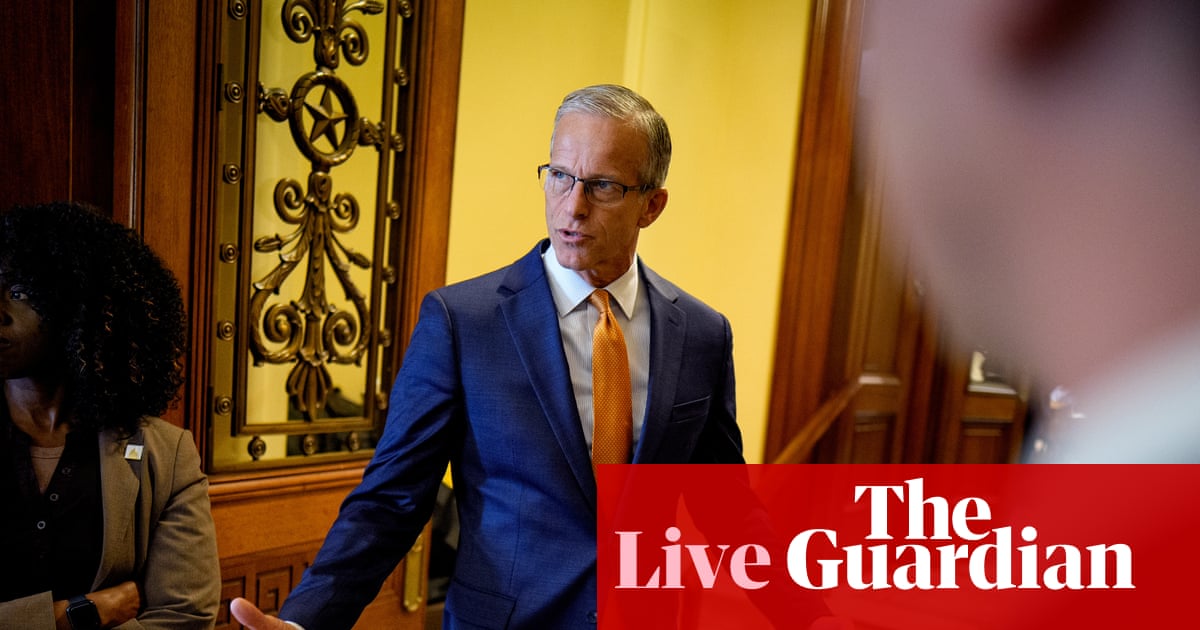
Cover image from theguardian.com, which was analyzed for this article
The House approved a brief two-week extension of FISA Section 702 warrantless surveillance powers following a late-night rebellion by conservative Republicans that sank a longer-term renewal lacking reforms. The stopgap measure prevents an immediate program lapse amid partisan fights over privacy versus security. Trump pushed for a clean bill, but divisions forced the punt to late April.
PoliticalOS
Friday, April 17, 2026 — Politics
Congress has bought two weeks to reconcile national security needs for warrantless foreign surveillance with persistent demands for warrants before querying Americans' incidental data. The conservative revolt, despite pressure from Trump and intelligence leaders, shows that past FBI abuses continue to erode trust across party lines. Readers should watch whether the final deal includes meaningful oversight or simply renews the status quo, as the underlying tension between security and privacy remains unresolved.
What outlets missed
Most coverage downplayed or omitted the more than 50 reforms Congress enacted in 2024, which Jordan cited as making a short clean extension viable now. Outlets also underplayed specific successes attributed to Section 702, including thwarting attacks at domestic venues and aiding hostage rescues, as referenced in intelligence community briefings. The fact that a recent FISA Court order allows the program to continue operating into 2027 even without statutory renewal received little attention, softening the claimed urgency of immediate lapse. Finally, bipartisan elements received uneven treatment: while some noted Democratic opposition to the GOP proposals, few detailed how progressives joined conservatives in demanding warrants, or how a handful of Democrats tried to help advance the leadership bills.
A surveillance program credited with disrupting terrorist plots and rescuing hostages stood hours from expiration. Late Thursday, conservative Republicans revolted against GOP leadership and the White House, sinking both a five-year renewal with limited reforms and an 18-month clean extension sought by President Trump. The House instead approved a stopgap measure extending Section 702 of the Foreign Intelligence Surveillance Act until April 30. The punt averts immediate lapse but leaves unresolved a core tension: how to balance foreign intelligence collection against protections for Americans whose communications are swept up incidentally.
Section 702, enacted in 2008, lets U.S. agencies collect emails and texts of targeted foreigners abroad without warrants, even when those messages involve U.S. persons. Intelligence officials have long argued that adding a warrant requirement for querying American data would slow operations and endanger national security. Privacy advocates from both parties counter that past FBI abuses, including improper queries tied to January 6 and racial justice protests, demand stricter guardrails. According to floor statements and reporting by multiple outlets, roughly 20 Republicans joined most Democrats to block the longer proposals in procedural votes that collapsed shortly after midnight. Four Democrats crossed party lines in attempts to advance the measures.
Speaker Mike Johnson expressed confidence the two-week window would allow time to resolve language disputes. "We were very close tonight," he said, per accounts from Fox News, the Associated Press and The New York Times. Trump had publicly called for Republicans to "UNIFY" behind a clean bill, citing risks amid tensions with Iran. CIA Director John Ratcliffe and Joint Chiefs Chairman Gen. Dan Caine also urged passage, though specific lobbying details in some reports could not be independently verified across all sources. Conservative holdouts including Reps. Chip Roy, Lauren Boebert and Thomas Massie insisted on warrant requirements and other changes to prevent future misuse. Rep. Jim Jordan, who supported the short extension, cited more than 50 reforms Congress passed in 2024. Democrats such as Reps. Jamie Raskin and Ro Khanna criticized both the late-night process and what they called toothless reforms in the rejected five-year plan.
The short-term measure passed by voice vote without a formal roll call and now heads to the Senate, which could clear it by unanimous consent. Even if the underlying statute lapsed, a recent FISA Court recertification would allow collection to continue into 2027, though telecommunications providers might resist without explicit authorization. The episode exposed fractures within the GOP: libertarian-leaning members allied with progressive Democrats on privacy, while national-security hawks in both parties backed swift renewal. Previous attempts to schedule votes earlier in the week were postponed amid the same divisions.
Lawmakers now return to negotiations that have stretched for weeks. The central question remains whether any compromise can satisfy intelligence agencies warning of blind spots in counterterrorism, cyber defense and hostage recovery while addressing documented compliance failures that have eroded trust. Supporters point to the program's role in the President's Daily Brief and specific disruptions of plots targeting events in the United States and abroad. Critics highlight data-broker purchases and warrantless queries of Americans that numbered in the millions in past years, per oversight reports. The two-week delay buys time but does not resolve the underlying contradiction between security imperatives and constitutional protections.
More in Politics

Federal Agents Search Omar Home in Ongoing Immigration Probe
Homeland Security agents searched the Minnesota Democrat's DC residence in a criminal probe, prompting accusations of political intimidation from Omar and Democratic leaders. Coverage spans left-leaning outlets like NPR, BBC, and The Guardian alongside right-leaning criticism from The Federalist and Daily Wire.

Trump Diesel Import Plan Draws Pushback Over Russia Ties
The weekend agreement drew bipartisan congressional pushback and criticism from Ukraine's Zelenskyy, with analysts downplaying US fuel price impacts. Right-leaning outlets like National Review, Dispatch, and Washington Examiner questioned its legality and effectiveness.

Independents Test Voter Appetite for Middle Ground in 2026 Midterms
Nearly 200 independents are running in competitive races as voters weigh ballot measures on housing costs in states like Massachusetts. Left-leaning coverage from NYT, NPR, and Guardian highlights turnout and key races while right outlets focus on GOP strategy.
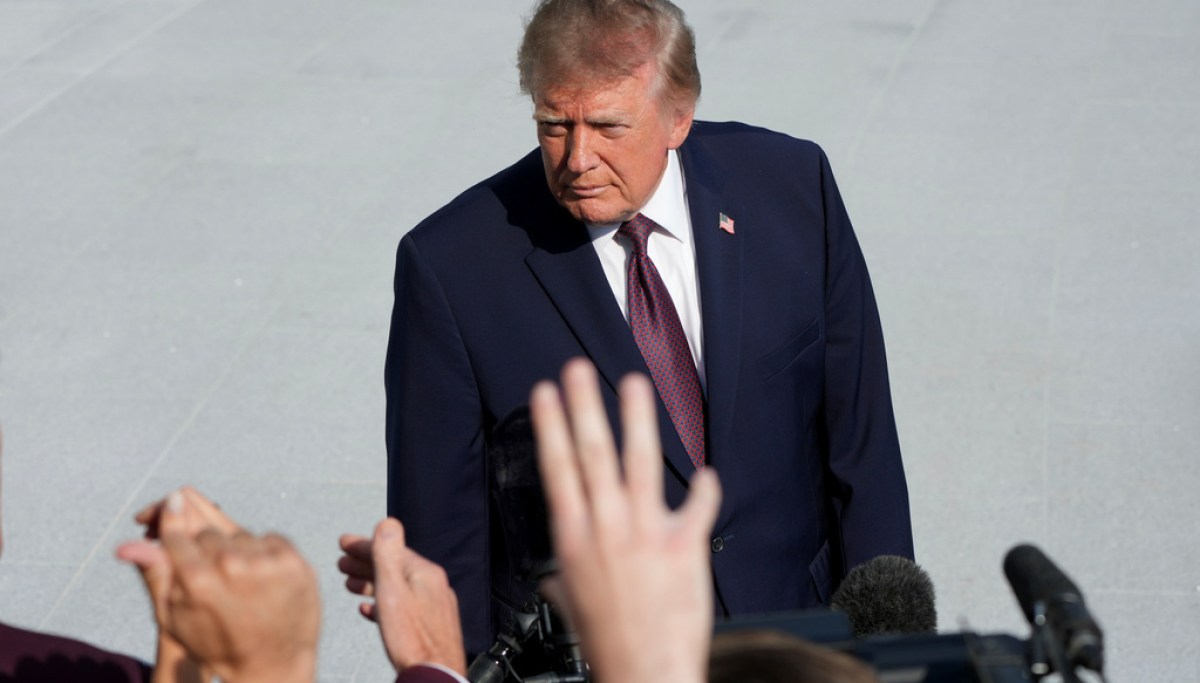
Trump Rallies in Alaska, Ohio to Bolster GOP Senate Candidates
The president rallied in Wasilla for Sen. Dan Sullivan and faced empty seats at an Ohio event amid midterm concerns. Outlets across the spectrum covered the trips as signals of GOP vulnerability weeks before Election Day.
The Compass
You just read five takes on one story.
What's your take? Find your political shape in a few minutes.
Take the test