
House Republicans Delay Iran War Powers Vote Until June

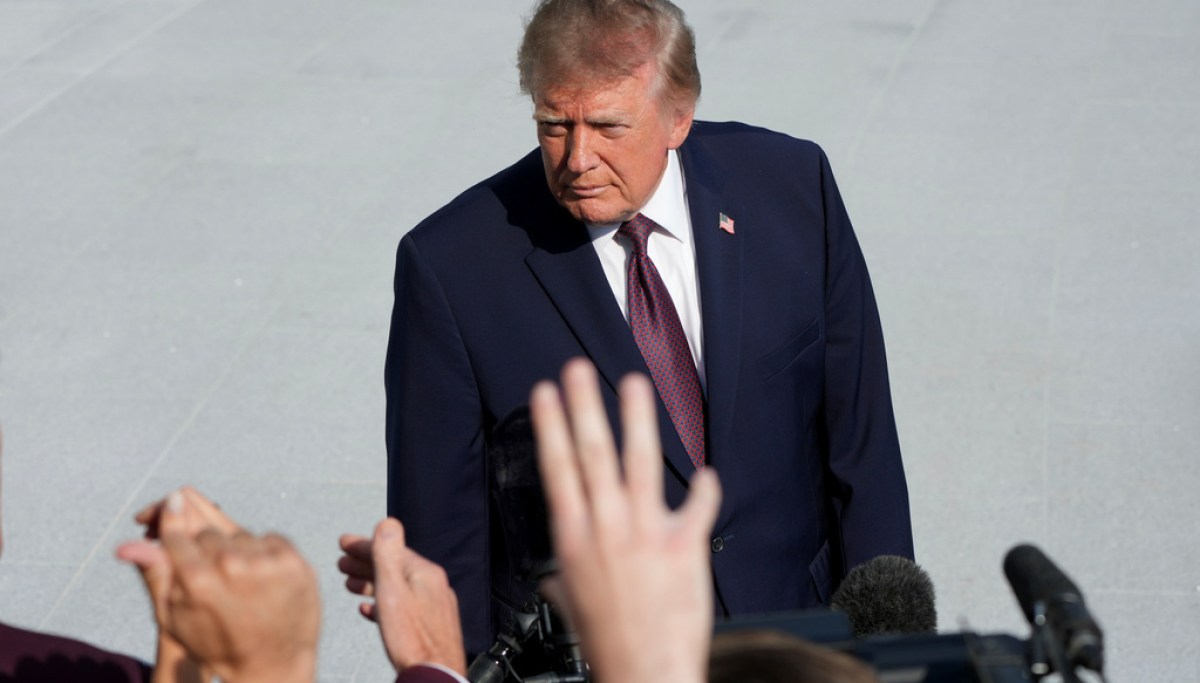
Cover image from nbcnews.com, which was analyzed for this article
GOP leaders pulled a measure that would have required President Trump to end the conflict with Iran or seek congressional authorization. The vote was delayed into June due to lack of support and party divisions.
PoliticalOS
Friday, May 22, 2026 — Politics
The House must vote on the war powers resolution in June, testing whether Republican support for the Iran operation has eroded enough to constrain presidential action. The delay preserves the status quo while both parties maneuver around member absences and statutory timelines.
What outlets missed
One provided outlet published an unrelated opinion piece on voting rights and redistricting rather than the Iran resolution. No outlet supplied attendance records or names of the eight absent Republicans to allow independent assessment of the procedural explanation. Details on the Pentagon’s proposed operation rename and its potential legal effect on the 60-day clock appeared in only one account and could not be independently verified by the others.
House Republicans postponed a vote on a Democratic war powers resolution that would have required President Trump to end U.S. military operations against Iran or obtain fresh congressional approval. The delay pushes the measure into June after the Memorial Day recess, leaving the executive branch with continued latitude during an active but paused conflict.
The resolution, sponsored by Rep. Gregory Meeks, D-N.Y., invokes the 1973 War Powers Resolution. That statute limits presidential authority to 60 days of hostilities without congressional authorization. Trump launched the campaign on Feb. 28. A ceasefire has held since early April, though the administration has warned it could resume strikes. Lawmakers cited rising U.S. gas prices tied to disruptions in the Strait of Hormuz and at least 13 American service members killed, with hundreds more wounded and costs reaching $25 billion according to Pentagon figures cited by Democrats.
GOP leaders said the postponement simply allowed absent members to record their votes. House Majority Leader Steve Scalise told reporters that several Republicans wanted to be present for the tally. Democrats countered that the move reflected unwillingness to confront eroding support for the operation. Rep. Jim McGovern, D-Mass., asked on the floor whether the delay occurred because “the American people are sick and tired of this illegal war.”
Last week the House recorded a 212-212 tie on a similar measure, with three Republicans joining Democrats. Rep. Jared Golden of Maine, the lone Democrat who opposed it then, has said he will support the resolution next time. In the Senate, four Republicans backed an advance of a parallel measure earlier this week, and three others were absent from a 50-47 procedural vote.
Trump has argued that the 60-day clock does not apply because of the ceasefire and that the 1973 law itself is unconstitutional. The White House has also floated renaming the operation, which could reset statutory timelines. Eight Republicans have been consistently absent during recent related votes, complicating both parties’ head counts.
The episode highlights the unresolved contest between Congress and the executive over initiation and continuation of hostilities. When the House returns June 2, leaders must bring the resolution to a vote under procedural rules already triggered by its introduction.
More in Politics

Federal Agents Search Omar Home in Ongoing Immigration Probe
Homeland Security agents searched the Minnesota Democrat's DC residence in a criminal probe, prompting accusations of political intimidation from Omar and Democratic leaders. Coverage spans left-leaning outlets like NPR, BBC, and The Guardian alongside right-leaning criticism from The Federalist and Daily Wire.

Trump Diesel Import Plan Draws Pushback Over Russia Ties
The weekend agreement drew bipartisan congressional pushback and criticism from Ukraine's Zelenskyy, with analysts downplaying US fuel price impacts. Right-leaning outlets like National Review, Dispatch, and Washington Examiner questioned its legality and effectiveness.

Independents Test Voter Appetite for Middle Ground in 2026 Midterms
Nearly 200 independents are running in competitive races as voters weigh ballot measures on housing costs in states like Massachusetts. Left-leaning coverage from NYT, NPR, and Guardian highlights turnout and key races while right outlets focus on GOP strategy.
Trump Rallies in Alaska, Ohio to Bolster GOP Senate Candidates
The president rallied in Wasilla for Sen. Dan Sullivan and faced empty seats at an Ohio event amid midterm concerns. Outlets across the spectrum covered the trips as signals of GOP vulnerability weeks before Election Day.
The Compass
You just read five takes on one story.
What's your take? Find your political shape in a few minutes.
Take the test