
ICE Acting Director Lyons Resigns as Deportation Drive Meets Backlogs and Local Strain

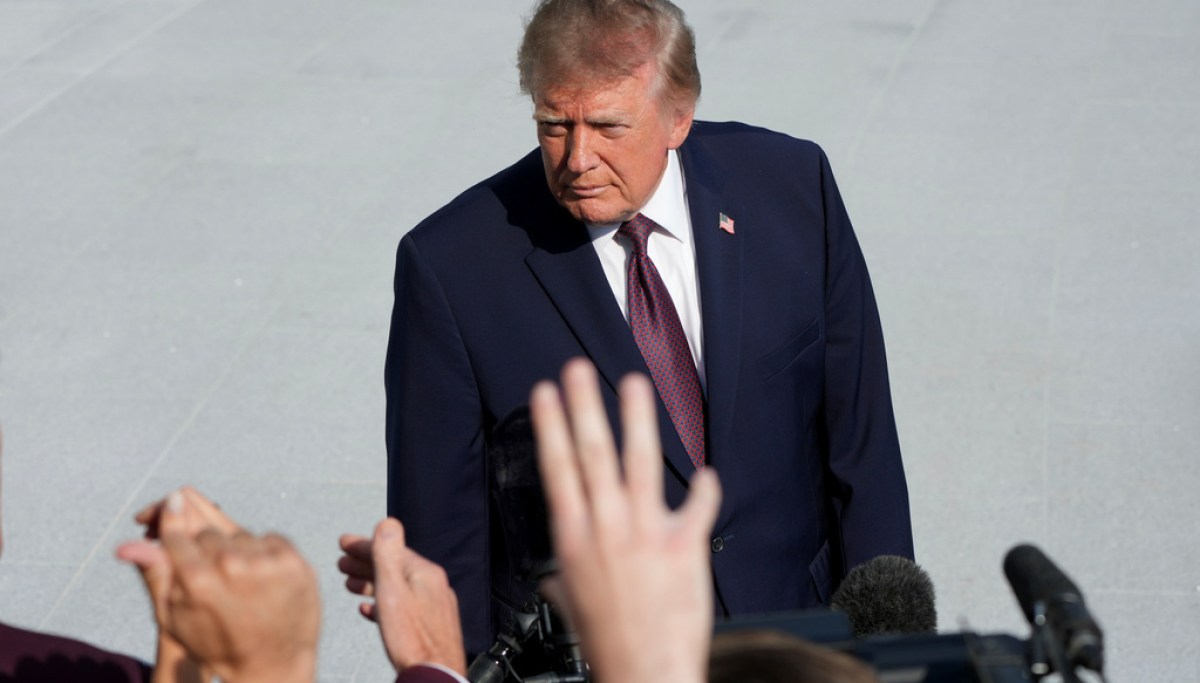
Cover image from chicago.suntimes.com, which was analyzed for this article
Todd Lyons, overseeing Trump's mass deportations, plans to resign by May's end as court battles intensify and application logjams heighten deportation risks for millions. The administration accelerates immigration courts for faster removals. Outlets debate enforcement effectiveness and humanitarian impacts.
PoliticalOS
Friday, April 17, 2026 — Politics
Todd Lyons' resignation caps a year of sharply increased deportations and court acceleration under the current administration, yet the immigration system still contends with massive backlogs in both legal applications and remaining court cases that leave millions in uncertain status. Local communities have absorbed unbudgeted costs from enforcement operations and protests, while asylum grant rates have plummeted and partisan disputes over tactics continue. The single most important reality is that systemic overload predates the current push; reforms have produced measurable enforcement gains but have not resolved underlying capacity problems.
What outlets missed
Most outlets underplayed the pre-existing growth in both USCIS and EOIR backlogs that began well before the current administration, including a doubling of certain pending cases during the prior four years. Concrete data on the criminal versus non-criminal composition of those removed under Lyons received limited treatment, with only partial figures appearing in local or bias analyses. The full scope of legal challenges to EOIR memos, including a pending Fourth Circuit case on judicial independence, went largely unmentioned. Broadview's experience, while covered in depth by one paper, was rarely connected to similar unreimbursed costs reported by a handful of other municipalities hosting federal facilities. Finally, cycles in the USCIS "frontlog" tied to fee changes and filing surges in 2023-2024 were omitted, obscuring whether recent increases reflect policy alone or predictable volume spikes.
The official charged with carrying out the largest deportation effort in recent U.S. history is leaving his post at the end of May. Todd Lyons, acting director of Immigration and Customs Enforcement since March 2025, will step down on May 31, the Department of Homeland Security announced April 17, 2026, even as removal numbers climb, immigration court backlogs shrink, and millions of pending legal applications leave applicants in limbo. The departure comes amid court challenges, Democratic criticism of enforcement tactics, and documented financial burdens on at least one Chicago suburb that hosted a major processing site.
The central tension is whether accelerated enforcement and judicial reforms can overcome a decade-long immigration system overload without creating new risks or costs. Lyons oversaw more than 475,000 removals and 379,000 arrests in his first year according to DHS figures, sharp increases from the prior year's 271,000 removals and 113,000 arrests. DHS Secretary Markwayne Mullin credited him with jump-starting an agency "that had not been allowed to do its job for four years" and removing "murderers, rapists, pedophiles, terrorists and gang members." White House officials echoed the praise, calling Lyons "an American patriot who made our country safer."
At the same time, USCIS data reviewed by NPR shows nearly 11.6 million pending applications for citizenship, green cards, work permits and asylum, plus 248,000 in a separate "frontlog" of unopened cases. The backlog grew by roughly 2 million in the first year of the current administration. Immigration attorneys told NPR that delays in even confirming receipt of applications have left clients vulnerable to removal proceedings, with some judges unwilling to halt deportation without proof of a pending filing. One Seattle attorney described clients waiting up to eight months for basic acknowledgment, creating "immediate anxiety" and mental health strain.
On the court side, the administration has moved in the opposite direction. The Executive Office for Immigration Review reduced its backlog by more than 380,000 cases since Inauguration Day, per Justice Department figures. Asylum grant rates have fallen to 7 percent from 50 percent under the prior administration, according to White House statements. More than 100 immigration judges were dismissed and replaced; those let go had granted asylum in 46 percent of cases according to New York Times reporting cited across outlets. Acting EOIR Director Sirce Owen issued memos directing quicker dismissals of asylum claims and warning judges against perceived bias toward immigrants.
Local communities have felt direct effects. In Broadview, Illinois, a village of 7,900 that contains a long-operating federal ICE facility at 1930 Beach Street, last fall's surge in processing triggered protests, tear gas deployments, street barricades and a local state of emergency. Village officials documented $361,536 in unexpected costs through mid-January, including $71,000 in police overtime, $250,000 in ambulance transfers and $41,000 in legal fees to challenge an unpermitted federal fence. That spending erased a projected $334,000 surplus and produced a $94,000 deficit for the fiscal year ending April 30, according to documents obtained via Illinois Freedom of Information Act requests. The proposed new budget leaves room for further overtime and FOIA expenses while banking on uncertain federal reimbursement. Mayor Katrina Thompson called the experience one no community should endure.
Critics focused on tactics. Democratic lawmakers including Sens. Richard Blumenthal, Alex Padilla and Dick Durbin questioned warrantless home entries, restrictions on congressional access to facilities, and a rise in detention deaths. Rep. Dan Goldman compared certain practices to those of authoritarian regimes during a February hearing. Protests in multiple cities, including Minneapolis where two U.S. citizens were fatally shot by federal agents, drew accusations of political targeting of Democratic-led areas. Administration officials maintained operations prioritized criminals; separate analyses indicated 58 percent of those processed in the Chicago-area operation had no criminal history while 18 percent had prior convictions.
Lyons, a 20-year ICE veteran who began in Enforcement and Removal Operations in 2007, took over after the White House deemed his predecessor's pace insufficient. His resignation timing coincides with intensified court battles over judge firings and due-process claims. No successor has been named. The broader system remains under strain: even with court reductions, more than 3 million cases remain pending. USCIS officials cited enhanced vetting for national security, including social media checks and in-person visits, as necessary slowdown factors. Immigration restriction advocates argued the backlog proves the need to pause new applications until fraud can be addressed.
Placed side by side, the numbers tell competing stories. Removals and arrests are up sharply. Legal processing times have lengthened. Local budgets absorbed unbudgeted hits. Asylum success rates have collapsed. Whether these outcomes reflect successful recalibration or simply shifted pressure from one part of the system to another remains unresolved.
More in Politics

Federal Agents Search Omar Home in Ongoing Immigration Probe
Homeland Security agents searched the Minnesota Democrat's DC residence in a criminal probe, prompting accusations of political intimidation from Omar and Democratic leaders. Coverage spans left-leaning outlets like NPR, BBC, and The Guardian alongside right-leaning criticism from The Federalist and Daily Wire.

Trump Diesel Import Plan Draws Pushback Over Russia Ties
The weekend agreement drew bipartisan congressional pushback and criticism from Ukraine's Zelenskyy, with analysts downplaying US fuel price impacts. Right-leaning outlets like National Review, Dispatch, and Washington Examiner questioned its legality and effectiveness.

Independents Test Voter Appetite for Middle Ground in 2026 Midterms
Nearly 200 independents are running in competitive races as voters weigh ballot measures on housing costs in states like Massachusetts. Left-leaning coverage from NYT, NPR, and Guardian highlights turnout and key races while right outlets focus on GOP strategy.
Trump Rallies in Alaska, Ohio to Bolster GOP Senate Candidates
The president rallied in Wasilla for Sen. Dan Sullivan and faced empty seats at an Ohio event amid midterm concerns. Outlets across the spectrum covered the trips as signals of GOP vulnerability weeks before Election Day.
The Compass
You just read five takes on one story.
What's your take? Find your political shape in a few minutes.
Take the test