
Trump Administration Ends TPS for 500,000 Haitians, Advances Deportations

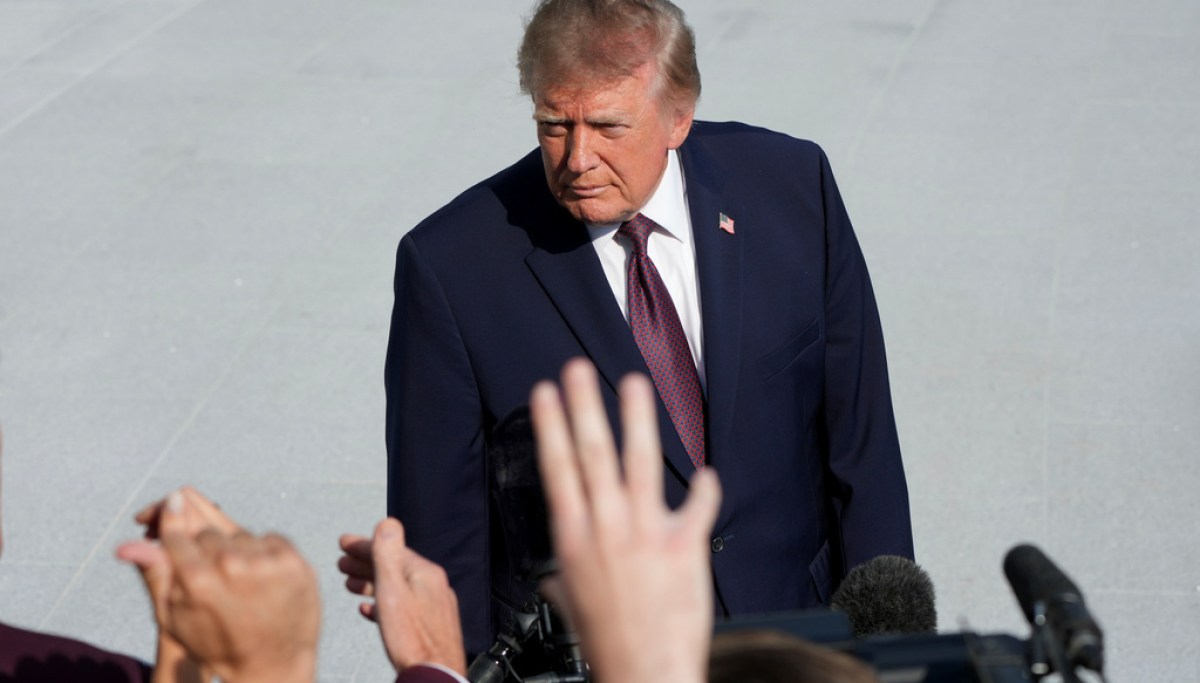
Cover image from npr.org, which was analyzed for this article
The White House is implementing mass deportations and ending temporary protected status for over 500,000 Haitians. Related Supreme Court cases on birthright citizenship continue amid broader migration curbs.
PoliticalOS
Tuesday, June 30, 2026 — Politics
The Supreme Court has cleared the way for termination of TPS protections affecting more than 500,000 Haitians while the administration simultaneously expands detention capacity and pursues limits on birthright citizenship. Lower-court blocks remain on certain tactics, and the citizenship order is still pending before the justices. Outcomes will determine removal proceedings for large numbers of long-term residents and the scope of future enforcement.
What outlets missed
None of the three outlets specified the statutory intervals at which DHS must review country conditions before terminating TPS designations. The articles also omitted the exact text of Executive Order 14160 and its January 20, 2025 issuance date. Coverage did not address how many TPS recipients from Haiti had already applied for other forms of relief such as asylum or adjustment of status before the termination took effect.
Hundreds of thousands of Haitians face removal from the United States after the Supreme Court upheld the termination of their temporary protected status. The decision clears one path for the Trump administration to expand deportations beyond those already underway. More than 500,000 people who received TPS designations, many granted or extended during the prior administration, now lack legal protection from removal proceedings.
The administration has paired the TPS termination with increased funding for detention capacity and enforcement staffing. Officials have directed immigration courts to accelerate case processing and have instructed border agents to turn away additional asylum claims before entry. These steps follow an executive order issued in January 2025 that sought to limit birthright citizenship claims for children of undocumented parents; that order remains under review by the Supreme Court.
The Federalist reported that many Haitians granted TPS in 2024 had previously lived in Chile or Brazil with legal status before traveling to the U.S. southern border and discarding documents that would have undermined asylum eligibility. NPR noted that the administration secured roughly $170 billion in appropriations for expanded detention and removal operations. Al Jazeera described the TPS ruling as one of four recent Supreme Court decisions affecting presidential authority, though it did not detail the scale of the Haitian caseload.
Lower courts have blocked some enforcement tactics, including arrests inside immigration courtrooms. The Supreme Court is scheduled to address the birthright citizenship order this week, along with challenges to state laws on transgender participation in school sports and limits on coordinated campaign spending. No final resolution has been reached on whether the administration can apply the citizenship restriction retroactively or to pending applications.
More in Politics

Federal Agents Search Omar Home in Ongoing Immigration Probe
Homeland Security agents searched the Minnesota Democrat's DC residence in a criminal probe, prompting accusations of political intimidation from Omar and Democratic leaders. Coverage spans left-leaning outlets like NPR, BBC, and The Guardian alongside right-leaning criticism from The Federalist and Daily Wire.

Trump Diesel Import Plan Draws Pushback Over Russia Ties
The weekend agreement drew bipartisan congressional pushback and criticism from Ukraine's Zelenskyy, with analysts downplaying US fuel price impacts. Right-leaning outlets like National Review, Dispatch, and Washington Examiner questioned its legality and effectiveness.

Independents Test Voter Appetite for Middle Ground in 2026 Midterms
Nearly 200 independents are running in competitive races as voters weigh ballot measures on housing costs in states like Massachusetts. Left-leaning coverage from NYT, NPR, and Guardian highlights turnout and key races while right outlets focus on GOP strategy.
Trump Rallies in Alaska, Ohio to Bolster GOP Senate Candidates
The president rallied in Wasilla for Sen. Dan Sullivan and faced empty seats at an Ohio event amid midterm concerns. Outlets across the spectrum covered the trips as signals of GOP vulnerability weeks before Election Day.
The Compass
You just read five takes on one story.
What's your take? Find your political shape in a few minutes.
Take the test