
Hormuz Tanker Strikes Test Iran Ceasefire, Lift Oil Prices
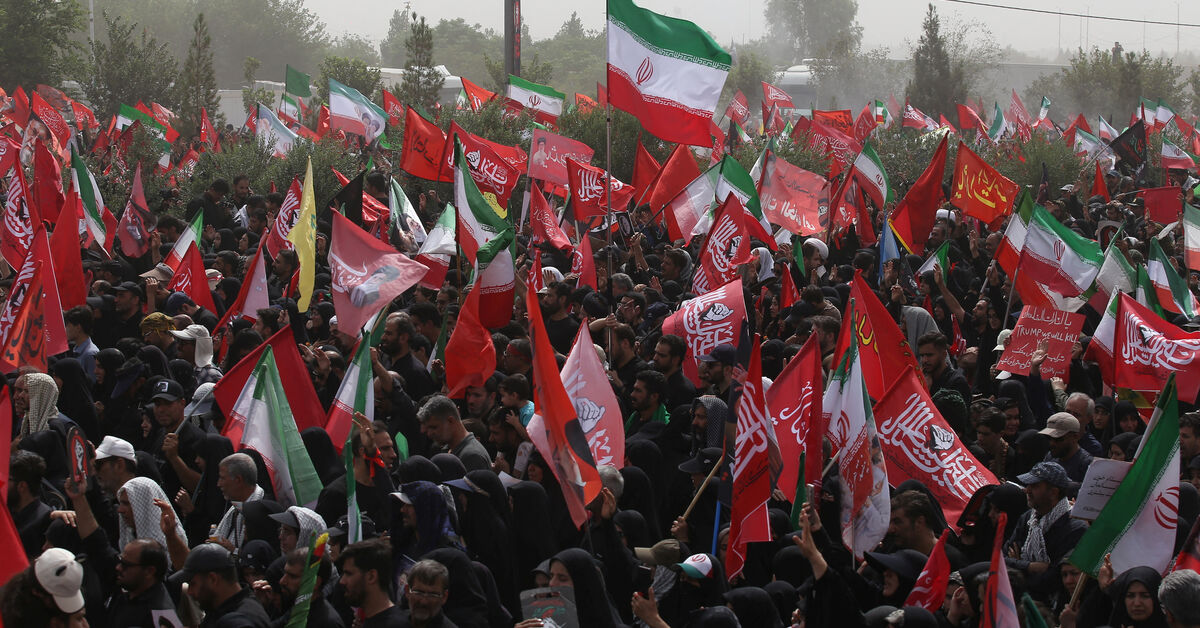
Cover image from al-monitor.com, which was analyzed for this article
Iranian strikes on ships near the Strait of Hormuz test the ceasefire and threaten energy flows. Oil prices rose as tensions persist following the war and mourning for Iran's leadership.
PoliticalOS
Tuesday, July 7, 2026 — Politics
The core unresolved question is whether the reported Hormuz incidents represent isolated probes or the start of renewed pressure on the interim ceasefire. Oil prices and tanker routing will register any further strikes faster than diplomatic statements can clarify responsibility.
What outlets missed
Most coverage omitted the precise radio transcript from the Al Rekayyat captain and the scale of funeral processions in Qom and Tehran that drew hundreds of thousands. Few outlets noted that container capacity on some routes had already returned to or exceeded pre-war records, a detail that separates energy shipping risks from broader trade resilience. The absence of any public UKMTO alert matching the reported date and location left the single-source UKMTO reference untested across reports.
Energy markets absorbed fresh uncertainty after reports of attacks on tankers in the Strait of Hormuz, a waterway that carries roughly one-fifth of global oil shipments. The incidents occurred days into a week of public mourning in Iran for its slain supreme leader and less than a month after an interim ceasefire paused four months of direct U.S.-Israeli military action against Iranian targets.
The United Kingdom Maritime Trade Operations Centre stated that an unidentified tanker was struck by an unknown projectile about eight nautical miles east of Limah, Oman, at 1:19 a.m. local time on July 7, producing a fire on the port side. No casualties or pollution were reported. Iranian state broadcaster IRIB separately claimed that the Qatari-flagged LNG carrier Al Rekayyat had been hit after ignoring warnings while using an Omani-side route; the vessel’s captain was recorded declaring a drone strike and engine-room fire. Axios, citing two unnamed U.S. officials, reported that Iran had fired missiles at two vessels, causing significant damage but no deaths. CNBC stated it could not independently verify the Axios account. Neither Washington nor Tehran issued an official comment on responsibility.
Oil prices responded immediately. Brent crude for September delivery rose 1.2 percent to $72.85 a barrel, while West Texas Intermediate for August delivery gained 1 percent to $69.26. The moves reversed the prior session’s decline to the lowest close since late February. Under the June 17 memorandum of understanding, the ceasefire was intended to open sixty days of talks on a permanent agreement; indirect negotiations in Doha ended last week without progress. Iranian Foreign Minister Abbas Araqchi said further talks would not begin while threats of resumed bombing continued. President Trump told reporters the United States would either reach a deal or “finish the job.”
Container shipping lines have already restored most pre-war capacity on Asia–U.S. West Coast routes, according to Xeneta data, and Maersk and Hapag-Lloyd announced plans to resume Suez transits. Tanker operators lack equivalent alternatives to the strait. Analysts at Berenberg noted that both sides retain incentives to avoid escalation ahead of the November U.S. midterms, yet Revolutionary Guard elements in Iran continue to seek revenue from any sanctions relief.
The International Maritime Organization placed protection of shipping lanes on its current agenda. No multilateral security framework has replaced the ad-hoc naval patrols that operated during the active phase of the conflict.
More in Politics

Federal Agents Search Omar Home in Ongoing Immigration Probe
Homeland Security agents searched the Minnesota Democrat's DC residence in a criminal probe, prompting accusations of political intimidation from Omar and Democratic leaders. Coverage spans left-leaning outlets like NPR, BBC, and The Guardian alongside right-leaning criticism from The Federalist and Daily Wire.

Trump Diesel Import Plan Draws Pushback Over Russia Ties
The weekend agreement drew bipartisan congressional pushback and criticism from Ukraine's Zelenskyy, with analysts downplaying US fuel price impacts. Right-leaning outlets like National Review, Dispatch, and Washington Examiner questioned its legality and effectiveness.

Independents Test Voter Appetite for Middle Ground in 2026 Midterms
Nearly 200 independents are running in competitive races as voters weigh ballot measures on housing costs in states like Massachusetts. Left-leaning coverage from NYT, NPR, and Guardian highlights turnout and key races while right outlets focus on GOP strategy.
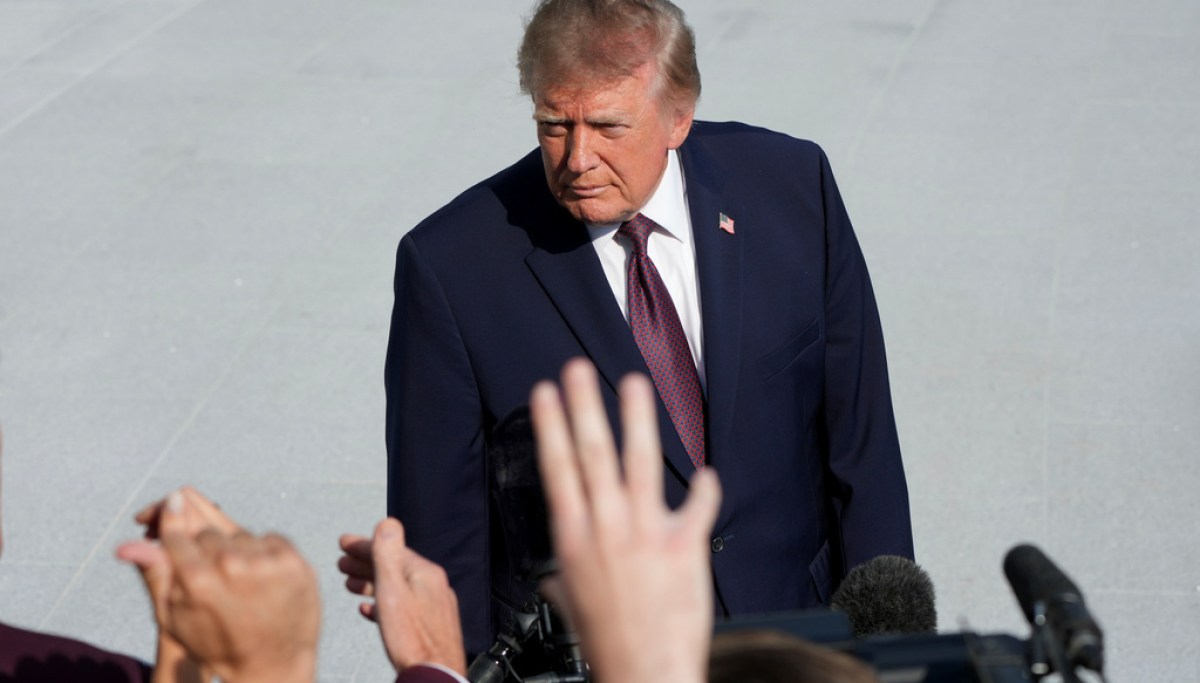
Trump Rallies in Alaska, Ohio to Bolster GOP Senate Candidates
The president rallied in Wasilla for Sen. Dan Sullivan and faced empty seats at an Ohio event amid midterm concerns. Outlets across the spectrum covered the trips as signals of GOP vulnerability weeks before Election Day.
The Compass
You just read five takes on one story.
What's your take? Find your political shape in a few minutes.
Take the test