
Iran Seizes Ships in Hormuz as US Blockade Chokes Trade Despite Ceasefire
Cover image from theguardian.com, which was analyzed for this article
Iran's forces seized commercial vessels in the Strait of Hormuz despite the ceasefire extension, as the US maintains a naval blockade and warns of further actions. Mines and attacks on ships deepen the standoff, with no clear timeline for resolution. Coverage spans ceasefire breaches, economic risks, and military warnings.
PoliticalOS
Thursday, April 23, 2026 — Politics
The Strait of Hormuz standoff represents a dangerous economic war of attrition where both the US blockade and Iranian ship seizures risk spiraling into renewed kinetic conflict, yet each side believes time favors its leverage. Verified munitions depletion and contested daily loss figures for Iran underscore real costs on both sides, but claims of imminent regime collapse or total US strategic defeat remain unverified. Readers should recognize that the central unresolved question—whether economic pain will produce a unified Iranian proposal or merely harden hard-liners—will determine if global energy security stabilizes or deteriorates further.
What outlets missed
Most coverage omitted the precise sequence showing US seizure of the M/V Touska on April 20 preceded Iran's April 22 captures, a timeline that undercuts claims of unprovoked Iranian aggression. Few outlets noted the February 28 origins involved Iranian mining that damaged 17 merchant ships and killed over a dozen seafarers, or that both sides have violated the April 8 ceasefire multiple times according to independent timelines. Munitions depletion figures from the CSIS report, including specific ranges for THAAD and SM-6 usage plus the Pentagon's detailed FY27 replenishment plan, received limited attention outside specialized defense reporting. Variations in daily economic loss claims for Iran—ranging from $150 million to $500 million—were rarely flagged as unverified or contested by independent trade data. Finally, the direct role of Defense Secretary Hegseth in firing Navy Secretary Phelan over shipbuilding disputes, rather than a unilateral Trump decision, was downplayed in favor of simpler narratives.
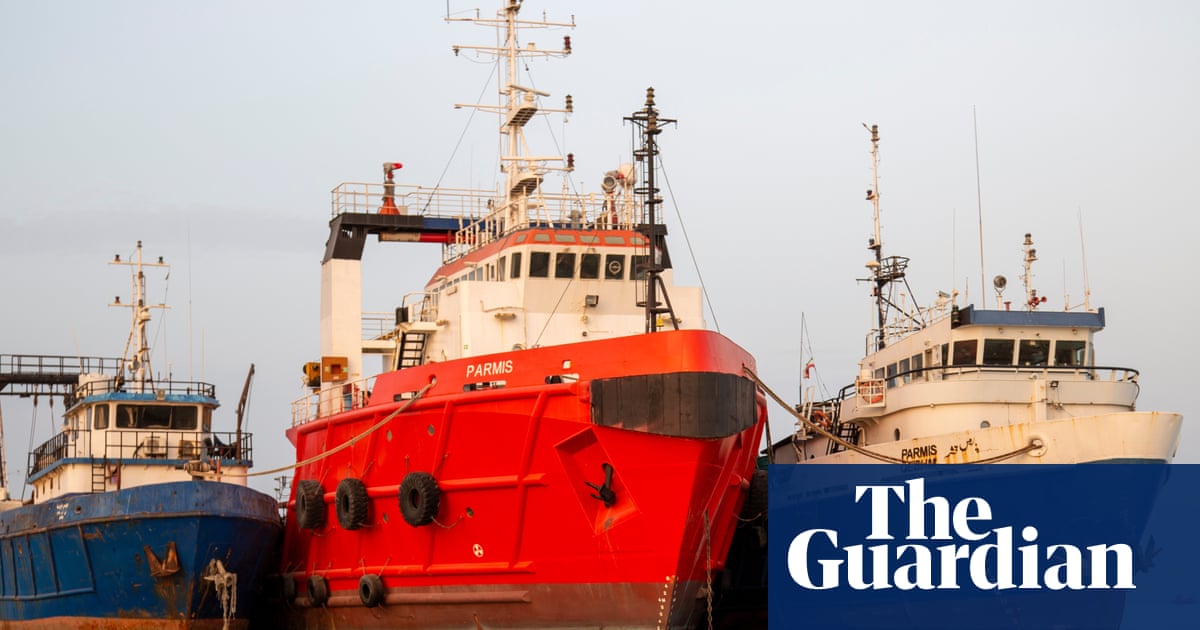
Global energy supplies hang in the balance. One fifth of the world's oil and gas normally flows through the Strait of Hormuz. That flow has now slowed to a trickle amid ship seizures, naval blockades and dueling accusations of ceasefire violations between Iran and the United States. What began as a 39-day air and missile conflict has settled into an economic stalemate with no clear exit ramp. The central tension is whether sustained pressure will fracture Iran's leadership enough to produce a viable negotiating position, or whether tit-for-tat maritime actions will unravel the fragile truce entirely.
The latest escalation unfolded rapidly. On April 20, US forces seized the Iranian-flagged cargo ship M/V Touska near the strait, according to AP and CNN reporting. Iran responded two days later by capturing two commercial vessels—the Panama-flagged MSC Francesca and Greek-owned Epaminondas—while firing on a third, the Liberia-flagged Euphoria. Iranian Revolutionary Guard forces cited unauthorized passage. The US, meanwhile, has maintained a naval blockade of Iranian ports since April 13, redirecting or intercepting more than 30 Iran-linked vessels, per US Central Command statements. Mines laid earlier in the conflict damaged at least 17 merchant ships and killed more than a dozen seafarers, according to multiple Western intelligence summaries.
President Donald Trump extended the ceasefire indefinitely on April 22. He cited Iran's "seriously fractured" government and a request from Pakistani officials Asim Munir and Shehbaz Sharif for time to craft a "unified proposal." White House press secretary Karoline Leavitt described the blockade as "Operation Economic Fury," claiming Iran loses $500 million daily, cannot pay its personnel and has seen Kharg Island oil terminals fill because exports are stalled. Trump himself posted that Iran is "starving for cash" and "collapsing financially."
Iranian parliamentary speaker Mohammad Bagher Ghalibaf, also a lead negotiator and former IRGC brigadier general, called reopening the strait "impossible" while the US and Israel commit "flagrant" breaches, including the blockade he labeled "hostage-taking of the world’s economy" and "Zionist warmongering." Iranian Foreign Minister Abbas Araghchi posted that both sides want to end the war but a "significant gap" remains, with Tehran demanding firm guarantees against future escalation. Sen. Lindsey Graham, after calls with Trump and Defense Secretary Pete Hegseth, predicted the blockade "could become global soon" and praised it for squeezing Iran's ability to fund terrorism.
The conflict itself traces to February 28, when Iranian forces launched attacks including mines in the strait, according to Guardian and Washington Post timelines. US and Israeli strikes followed, degrading missile production, killing supreme leader Ali Khamenei and eliminating multiple commanders. A 39-day campaign expended substantial US munitions. A Center for Strategic and International Studies analysis estimates American forces used 850 Tomahawk cruise missiles, more than 1,000 JASSMs, between 1,060 and 1,430 Patriot interceptors—roughly half the prewar inventory—and hundreds of THAAD, SM-3 and SM-6 interceptors. Exact classified stockpiles remain unknown. Pentagon spokesman Sean Parnell called shortage alarms "ill-informed and dishonorable," noting less than 10 percent of naval power controlled Hormuz traffic and highlighting a FY27 budget request of $70 billion for munitions replenishment. Lockheed Martin and RTX plan production surges, yet analysts warn years will be needed to rebuild, especially for any future peer conflict with China.
Internal US personnel shifts added another layer. Navy Secretary John Phelan departed effective immediately. Pentagon statements attributed the move to Defense Secretary Pete Hegseth and Deputy Steve Feinberg over shipbuilding pace and management differences; some outlets reported Hegseth directly fired him. Hung Cao, the undersecretary, assumed acting duties. The change does not affect ongoing Persian Gulf operations.
Economic ripple effects are measurable yet contested. Iran's oil exports reportedly rose in value during March and early April despite lower volumes, according to trade data firm Kpler cited by Al Jazeera, though blockade impacts have since mounted. US gasoline prices jumped; global fertilizer shipments face disruption risks that could trigger food crises, per UN Food and Agriculture Organization economists. Shipping insurance rates spiked. Iranian officials insist the strait remains open to non-enemy vessels that coordinate with the IRGC; the US maintains international waters are no refuge for sanctioned activity.
Negotiations remain stalled. Pakistani intermediaries hosted talks that collapsed. Trump officials including Jared Kushner, Steve Witkoff and Vice President JD Vance have engaged behind the scenes. Institute for the Study of War analysts assess IRGC commander Maj. Gen. Ahmad Vahidi is leveraging strait control to outmaneuver domestic rivals including Ghalibaf. Retired Adm. William McRaven warned that Iran's "mosquito fleet" of fast boats, drones and short-range missiles still poses real risks to larger vessels. No side has outlined a detailed endgame. Minesweeping the strait could take six months, according to Pentagon briefings to Congress.
The unresolved question is whether economic pain will compel compromise before a miscalculation at sea sparks wider fighting. Each vessel seizure or interception tests the ceasefire's durability. Global markets, energy consumers and regional allies watch closely. The blockade continues. Iranian gunboats operate. Diplomacy drifts.
More in Politics

Federal Agents Search Omar Home in Ongoing Immigration Probe
Homeland Security agents searched the Minnesota Democrat's DC residence in a criminal probe, prompting accusations of political intimidation from Omar and Democratic leaders. Coverage spans left-leaning outlets like NPR, BBC, and The Guardian alongside right-leaning criticism from The Federalist and Daily Wire.

Trump Diesel Import Plan Draws Pushback Over Russia Ties
The weekend agreement drew bipartisan congressional pushback and criticism from Ukraine's Zelenskyy, with analysts downplaying US fuel price impacts. Right-leaning outlets like National Review, Dispatch, and Washington Examiner questioned its legality and effectiveness.

Independents Test Voter Appetite for Middle Ground in 2026 Midterms
Nearly 200 independents are running in competitive races as voters weigh ballot measures on housing costs in states like Massachusetts. Left-leaning coverage from NYT, NPR, and Guardian highlights turnout and key races while right outlets focus on GOP strategy.
Trump Rallies in Alaska, Ohio to Bolster GOP Senate Candidates
The president rallied in Wasilla for Sen. Dan Sullivan and faced empty seats at an Ohio event amid midterm concerns. Outlets across the spectrum covered the trips as signals of GOP vulnerability weeks before Election Day.
The Compass
You just read five takes on one story.
What's your take? Find your political shape in a few minutes.
Take the test