
Iran-US Deal Frays Over Hormuz Routes and Nuclear Checks
Cover image from time.com, which was analyzed for this article
Developments include US strikes on Iranian facilities, a ship attack near the Strait of Hormuz, and IAEA demands for verification of Iran's nuclear pledges. Both left and right outlets reported on the ongoing conflict and diplomatic fallout.
PoliticalOS
Friday, June 26, 2026 — Politics
The interim deal’s core unresolved question is whether Iran will accept binding verification of its nuclear program and shared administration of Hormuz transit without tolls. Until those points are settled in writing and implemented, shipping volumes and oil prices will remain volatile regardless of public statements from either capital.
What outlets missed
Most coverage omitted the precise pre-war daily transit average of 130 vessels and the fact that even the busiest post-deal day reached only 78 transits according to Lloyd’s List data. Few reports clarified that the struck vessel was not part of the UN evacuation list or that 14 seafarers had already died in earlier attacks during the conflict. The timeline showing Iran suspended IAEA cooperation immediately after the June strikes, rather than later as a negotiating tactic, appeared in only one account. Shipping insurance premium increases from 0.05 percent to over 0.7 percent of hull value were mentioned by a single outlet.
Global oil markets and shipping lanes face renewed strain as Iran and the United States trade conflicting interpretations of their interim agreement to end months of conflict. The 60-day window for final talks, signed last week, was meant to restore safe passage through the Strait of Hormuz and establish verification for Iran’s nuclear program, yet both sides now dispute the terms on the ground.
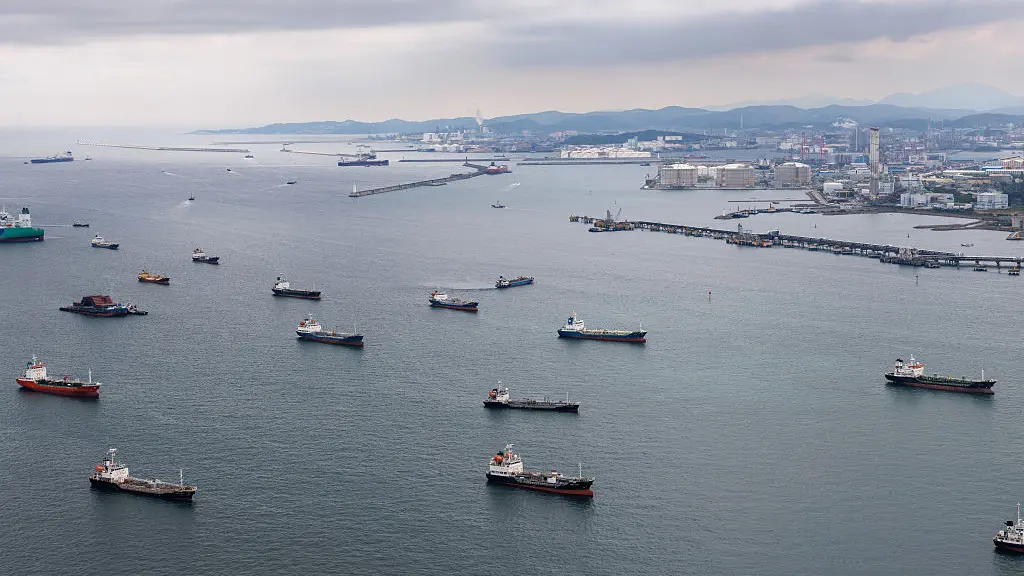
A Singapore-flagged container ship, the Ever Lovely, was struck by an object off Oman on June 25 while following a southern route endorsed by Oman and the International Maritime Organization. The vessel sustained bridge damage but reported no injuries and continued its voyage. Two U.S. officials told Reuters the strike came from an Iranian drone; Iranian authorities described the incident as the responsibility of any vessel using unauthorized routes and have not claimed responsibility. The IMO immediately suspended its escort operations for hundreds of stranded ships.
Iran’s Deputy Foreign Minister Kazem Gharibabadi stated that safe passage cannot be guaranteed without Tehran’s role as a coastal state. The United States and Gulf Cooperation Council responded by demanding free, unconditional navigation without tolls. Oil prices dipped on Friday even as traffic through the strait remained far below pre-conflict levels of roughly 130 vessels per day.
IAEA Director General Rafael Grossi said a strong verification system is required to confirm that Iran does not develop nuclear weapons, noting that the memorandum assigns the agency supervisory responsibility. Iran maintains that access to bombed sites and decisions on its enriched uranium stockpile will be settled only in a final agreement and has rejected new commitments beyond the memorandum language. U.S. officials have asserted that highest-level inspections were already agreed.
Additional points of friction include Israel’s operations in Lebanon, financial sanctions relief, and the future of Iranian ballistic missiles. South Korean vessels began exiting the strait over the weekend, while Saudi Aramco resumed loadings at Ras Tanura after a four-month pause. The memorandum set a June 30 start for technical working groups, yet public statements from both capitals continue to diverge on what has actually been settled.
More in Politics

Federal Agents Search Omar Home in Ongoing Immigration Probe
Homeland Security agents searched the Minnesota Democrat's DC residence in a criminal probe, prompting accusations of political intimidation from Omar and Democratic leaders. Coverage spans left-leaning outlets like NPR, BBC, and The Guardian alongside right-leaning criticism from The Federalist and Daily Wire.

Trump Diesel Import Plan Draws Pushback Over Russia Ties
The weekend agreement drew bipartisan congressional pushback and criticism from Ukraine's Zelenskyy, with analysts downplaying US fuel price impacts. Right-leaning outlets like National Review, Dispatch, and Washington Examiner questioned its legality and effectiveness.

Independents Test Voter Appetite for Middle Ground in 2026 Midterms
Nearly 200 independents are running in competitive races as voters weigh ballot measures on housing costs in states like Massachusetts. Left-leaning coverage from NYT, NPR, and Guardian highlights turnout and key races while right outlets focus on GOP strategy.
Trump Rallies in Alaska, Ohio to Bolster GOP Senate Candidates
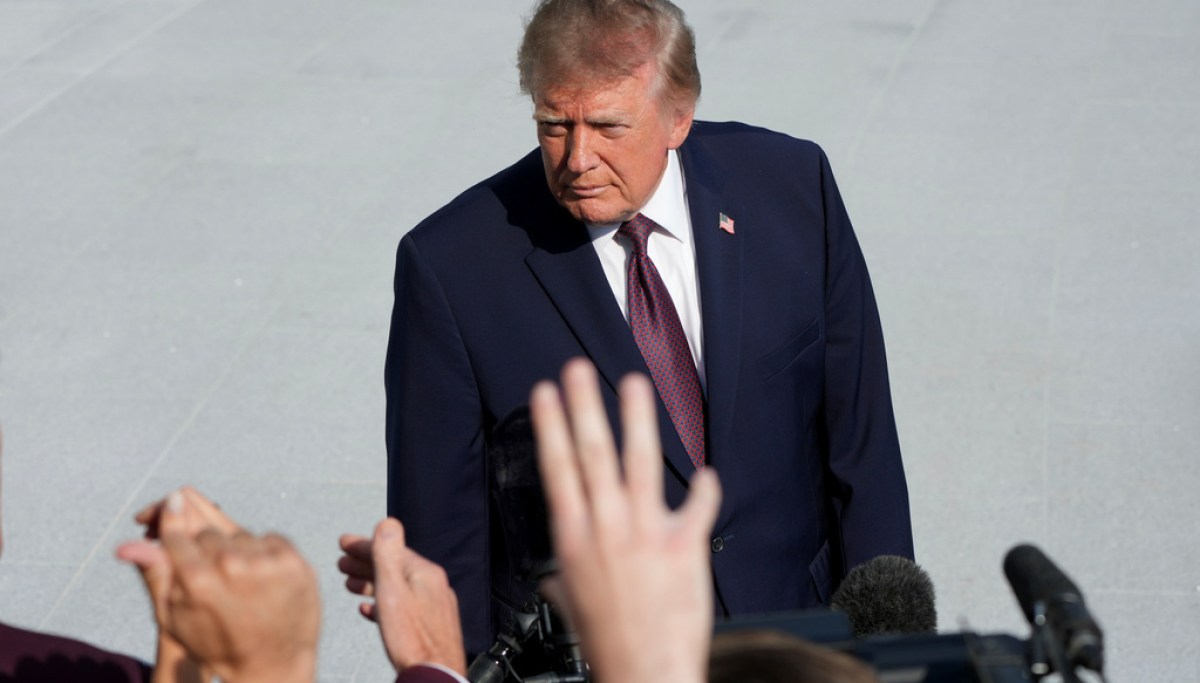
The president rallied in Wasilla for Sen. Dan Sullivan and faced empty seats at an Ohio event amid midterm concerns. Outlets across the spectrum covered the trips as signals of GOP vulnerability weeks before Election Day.
The Compass
You just read five takes on one story.
What's your take? Find your political shape in a few minutes.
Take the test