
Diplomacy Stalls on Day 59 of Iran Conflict as FM Seeks Putin Support

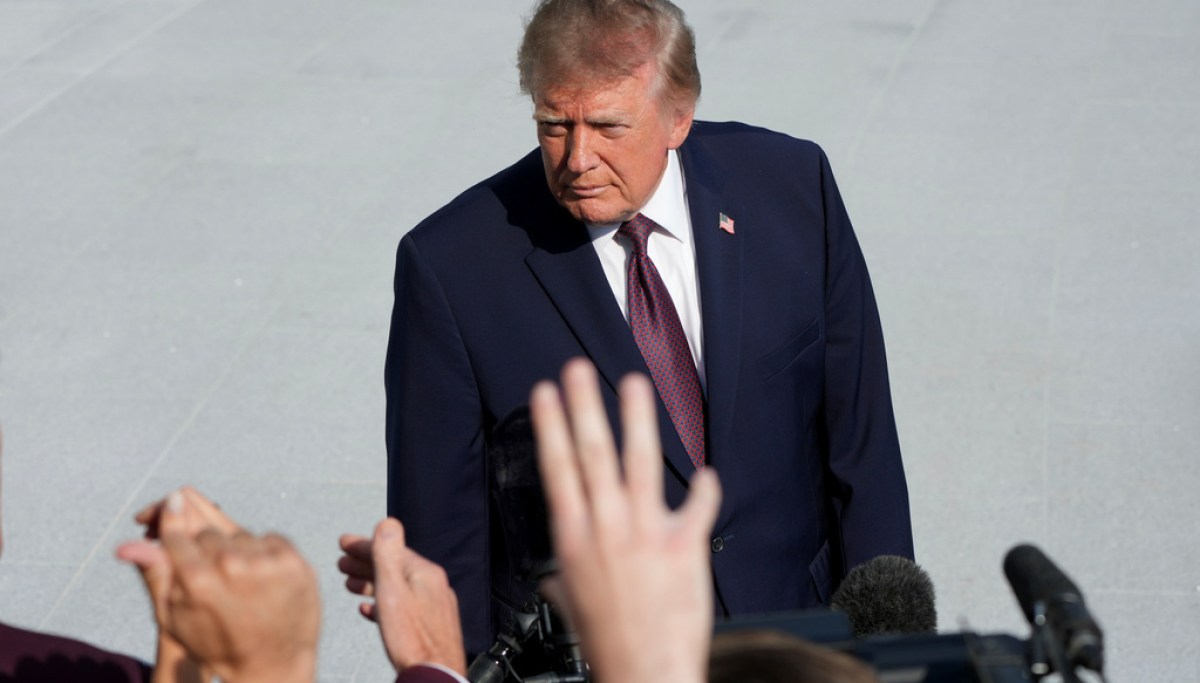
Cover image from theamericanconservative.com, which was analyzed for this article
Iran offers to reopen Strait of Hormuz for sanctions relief but talks stall; FM visits Putin for support on day 59 of conflict. Questions arise over media coverage of Israel's role and potential off-ramps like Lebanon. Oil prices climb on uncertainty.
PoliticalOS
Monday, April 27, 2026 — Politics
On day 59, stalled talks over Iran's nuclear program, sanctions relief and Strait of Hormuz access, compounded by violence in Lebanon, continue driving oil prices higher and prolonging economic uncertainty for the world. Media narratives differ sharply on Israel's role in the initial decision to strike and on whether concessions regarding Hezbollah could create a viable off-ramp, but many key details, from exact escalation sequences to specific polling, remain unverified across sources. The single most important reality is that mutual distrust and entangled proxy conflicts have so far blocked any comprehensive deal, leaving diplomacy dependent on whether external actors like Russia or internal priorities in Tehran and Washington can shift the current deadlock.
What outlets missed
Most accounts underplayed the full escalation timeline, including Iranian proxy attacks on US bases and missile barrages on Israel in 2024 that preceded the February 28 strikes. The US naval blockade of Iranian ports on April 13, which multiple wire services reported came before Iran's strait closure, was omitted or minimized in several explainers, leaving agency in the maritime crisis unclear. Coverage rarely noted disputes over Lebanon casualty figures, where Israeli statements claimed many of those killed were Hezbollah fighters rather than purely civilians. The potential leverage of trading reduced pressure on Hezbollah for nuclear concessions, explored in detail by The American Conservative, received little attention in mainstream reporting despite its appearance in Islamabad talks. Finally, specific claims such as an unverified Rachel Maddow episode or a McLaughlin poll on Trump's communications effectiveness were presented without noting they could not be independently corroborated by other sources.
Oil prices climbed Monday as diplomatic efforts to end the two-month conflict between the United States, Israel and Iran showed no breakthrough. With global markets on edge, Iran's foreign minister arrived in Russia seeking support from Vladimir Putin while talks with Washington remained stuck over Tehran's nuclear program, sanctions relief and safe passage through the Strait of Hormuz. The impasse on day 59 leaves unresolved the central tension: can any deal address Iran's security concerns, including its alliance with Hezbollah in Lebanon, without allowing Tehran to retain nuclear breakout capacity or de facto control over one of the world's most vital energy chokepoints.
Iranian Foreign Minister Abbas Araghchi shuttled through Pakistan and Oman before landing in St. Petersburg. According to Iranian and Russian state media, he planned to discuss bilateral ties and the war with President Putin. In Islamabad, Araghchi described talks as productive and reviewed conditions for resuming negotiations with the US. One diplomatic source told Al Jazeera that recent events had reinforced the need for a permanent end to hostilities, potentially including Gulf countries in a broader framework. Oman and Iran, both Strait of Hormuz coastal states, agreed to expert-level consultations on safe transit.
The main obstacles remain Iran's nuclear ambitions and the strait. The Islamic Revolutionary Guard Corps stated it had no intention of unblocking the waterway, calling control over it a "definitive strategy" to deter the US and its regional partners. President Trump said Iran could telephone if it wanted to negotiate but repeated that Tehran cannot have nuclear weapons. He added that a recent shooting at a Washington media dinner would not divert him from the conflict.
A New York Times report from early April described an unusual White House Situation Room meeting in which Israeli Prime Minister Benjamin Netanyahu presented alongside Mossad and military officials, creating what the paper called the image of a wartime leader surrounded by his team. The account said Netanyahu's hard sell for swift action proved pivotal to Trump's decision to partner with Israel in strikes that began the war on February 28. Guardian columnist Jason Stanley cited the report to argue that US media has largely avoided discussing Israel's influence, contrasting it with extensive coverage of Russian ties to Trump. Stanley called this omission a form of propaganda, though the specific Rachel Maddow episode he referenced could not be independently verified in public transcripts or archives.
Other outlets have engaged the question of Israel's role without reaching Stanley's conclusions. Carnegie analysts called overemphasis on Netanyahu "silly" and stressed Trump's own agency along with input from Gulf states. The BESA Center argued that focusing solely on Netanyahu distorts the record of longstanding US-Iran tensions, including sanctions, the 2020 Soleimani strike, Iranian proxy attacks and nuclear advances. These pre-existing factors, corroborated across multiple timelines, complicate any single-meeting explanation for the decision to strike.
Lebanon has emerged as a potential off-ramp. Israeli forces escalated attacks there on Sunday, killing at least 14 people including women and children, according to Lebanon's health ministry, despite a US-brokered ceasefire. Hezbollah described its responses as legitimate reactions to persistent Israeli violations. The American Conservative noted that Iran views its Hezbollah alliance as a national security imperative, especially after the fall of Bashar al-Assad in Syria and amid what it sees as Israeli regional ambitions. Senior Iranian parliament speaker Mohammad-Bagher Ghalibaf reportedly linked the strait closure to incomplete implementation of the Lebanon ceasefire. Analysts suggest Tehran might offer nuclear concessions if Washington de-emphasizes dismantling Hezbollah, though Trump has insisted Iran must end support for such proxies.
The war began with US and Israeli strikes on Iranian nuclear and missile sites. A subsequent US naval blockade of Iranian ports on April 13 preceded Iran's closure of the strait, according to Reuters and other reporting; the exact sequence and impact on shipping have varied in emphasis across outlets. Casualty figures in Lebanon remain disputed, with some Israeli statements claiming a significant portion of those killed were militants, a detail not always included in humanitarian-focused coverage.
Public opinion polling cited in some commentary showed variation based on whether Americans heard Trump's messages directly, but the specific McLaughlin survey referenced in pro-administration commentary could not be independently verified. JD Vance, tapped earlier to lead negotiations, saw a planned trip to Islamabad canceled after Iran showed little interest in envoys Jared Kushner and Steve Witkoff. Salon reported internal administration friction and Vance's efforts to navigate the issue, though some details on his private stance relied on anonymous sourcing that other outlets did not corroborate.
As diplomacy fragments, the economic stakes rise. Oil price increases reflect uncertainty over strait access and prolonged conflict. Regional partners including Gulf states have weighed in, with some analyses suggesting they prefer a contained outcome that curbs Iranian nuclear capacity without wider war. Unresolved questions remain: whether Russia can or will exert meaningful influence on Tehran, if Lebanon concessions could unlock progress on the nuclear file, and how media emphasis on different actors shapes public understanding of possible exits. A reader following only one outlet would miss this full mosaic.
More in Politics

Federal Agents Search Omar Home in Ongoing Immigration Probe
Homeland Security agents searched the Minnesota Democrat's DC residence in a criminal probe, prompting accusations of political intimidation from Omar and Democratic leaders. Coverage spans left-leaning outlets like NPR, BBC, and The Guardian alongside right-leaning criticism from The Federalist and Daily Wire.

Trump Diesel Import Plan Draws Pushback Over Russia Ties
The weekend agreement drew bipartisan congressional pushback and criticism from Ukraine's Zelenskyy, with analysts downplaying US fuel price impacts. Right-leaning outlets like National Review, Dispatch, and Washington Examiner questioned its legality and effectiveness.

Independents Test Voter Appetite for Middle Ground in 2026 Midterms
Nearly 200 independents are running in competitive races as voters weigh ballot measures on housing costs in states like Massachusetts. Left-leaning coverage from NYT, NPR, and Guardian highlights turnout and key races while right outlets focus on GOP strategy.
Trump Rallies in Alaska, Ohio to Bolster GOP Senate Candidates
The president rallied in Wasilla for Sen. Dan Sullivan and faced empty seats at an Ohio event amid midterm concerns. Outlets across the spectrum covered the trips as signals of GOP vulnerability weeks before Election Day.
The Compass
You just read five takes on one story.
What's your take? Find your political shape in a few minutes.
Take the test