
US-Iran Tensions Drive Oil Shocks, Proxy Charges and Diplomatic Signals
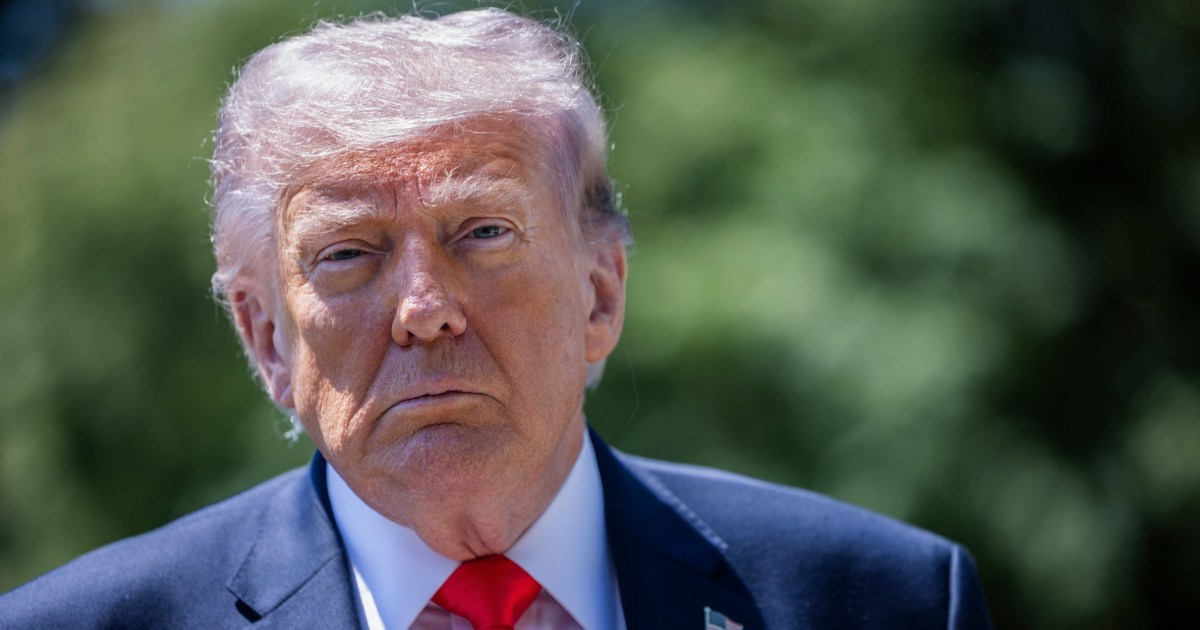
Cover image from nbcnews.com, which was analyzed for this article
Ongoing US-Iran tensions drive up oil prices and prompt new US charges against Iranian proxies. Coverage spans military actions, diplomacy signals, and global economic effects.
PoliticalOS
Saturday, May 16, 2026 — Politics
Oil-price effects and legal actions against Iranian proxies are measurable and documented, yet the path from current signals of talks to any durable de-escalation remains blocked by unresolved disputes over nuclear material and control of the Strait of Hormuz.
What outlets missed
Most accounts omitted Nigeria’s confirmation that several of al-Minuki’s lieutenants were also killed and that the operation targeted a specific compound in the Lake Chad Basin. Few reports placed the new U.S. charges against al-Saadi alongside the documented expansion of Islamic State activity in the Sahel, leaving readers without context on overlapping counterterrorism efforts. Pipeline projects already under construction in the Gulf received little attention relative to the new UAE acceleration, understating the timeline of infrastructure responses to the strait closure.
Global oil markets absorbed fresh shocks this week as the Strait of Hormuz remained effectively closed, cutting exports from several Gulf producers and lifting realized prices for suppliers able to reroute shipments. The United States recorded higher volumes of crude, diesel and other fuels leaving its shores, while the United Arab Emirates moved to accelerate a pipeline to Fujairah that would double capacity outside the strait by 2027. Iraq, Kuwait and Qatar, lacking comparable bypass options, faced steeper production cuts.
At the same time, federal prosecutors in Manhattan unsealed charges against Iraqi national Mohammad Baqer Saad Dawood al-Saadi, 32, alleging he directed at least 18 attacks or plots in the United States, Canada and Europe as a senior figure in Kataib Hezbollah. Court documents describe plots that included a firebombing in Amsterdam, a shooting at the Toronto consulate and an alleged offer of cryptocurrency for strikes on Jewish sites in New York, California and Arizona. Al-Saadi was arrested overseas and transferred to the United States; he faces six counts including conspiracy to provide material support to a foreign terrorist organization.
President Trump announced that U.S. and Nigerian forces had killed Abu-Bilal al-Minuki, whom he described as the Islamic State’s second-in-command globally, during a joint operation at a compound in the Lake Chad Basin. Nigeria’s presidential office confirmed the strike and said several lieutenants were also killed. Al-Minuki had been designated a specially designated global terrorist by the State Department in 2023.
Iran’s Foreign Minister Abbas Araghchi told a BRICS meeting that messages from the Trump administration indicated openness to negotiations, though he cited a continuing deadlock over Tehran’s stock of enriched uranium. Trump separately suggested Iran could place its civilian nuclear program on hold for two decades in exchange for a broader agreement. Lebanon and Israel extended their ceasefire by 45 days, even as Israeli forces struck targets in southern Lebanon and issued new evacuation orders for nine towns.
Tehran municipal authorities reported more than 1,260 deaths and 2,800 injuries from attacks on the capital, along with damage to 51,000 homes. Lebanon’s Health Ministry recorded at least 2,951 deaths since March. China’s UN envoy signaled likely opposition to a U.S.-backed Security Council measure on Hormuz traffic.
The redistribution of oil revenue remains uneven. U.S. companies captured higher export volumes and prices, while Russia benefited from elevated global benchmarks after sanctions relief. Saudi Arabia and the UAE limited losses through existing pipelines; producers without such infrastructure absorbed larger drops in both volume and income. No independent verification of total casualties across all fronts or of the precise operational details of the Nigeria strike has been released by multiple governments.
More in Politics

Federal Agents Search Omar Home in Ongoing Immigration Probe
Homeland Security agents searched the Minnesota Democrat's DC residence in a criminal probe, prompting accusations of political intimidation from Omar and Democratic leaders. Coverage spans left-leaning outlets like NPR, BBC, and The Guardian alongside right-leaning criticism from The Federalist and Daily Wire.

Trump Diesel Import Plan Draws Pushback Over Russia Ties
The weekend agreement drew bipartisan congressional pushback and criticism from Ukraine's Zelenskyy, with analysts downplaying US fuel price impacts. Right-leaning outlets like National Review, Dispatch, and Washington Examiner questioned its legality and effectiveness.

Independents Test Voter Appetite for Middle Ground in 2026 Midterms
Nearly 200 independents are running in competitive races as voters weigh ballot measures on housing costs in states like Massachusetts. Left-leaning coverage from NYT, NPR, and Guardian highlights turnout and key races while right outlets focus on GOP strategy.
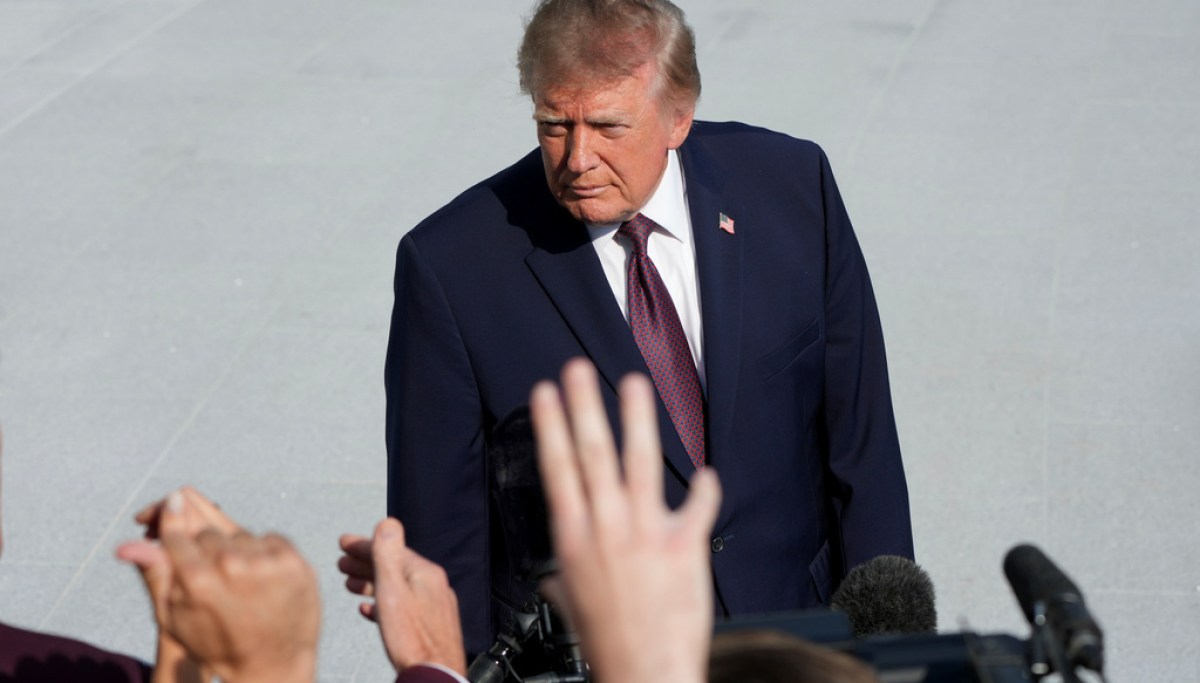
Trump Rallies in Alaska, Ohio to Bolster GOP Senate Candidates
The president rallied in Wasilla for Sen. Dan Sullivan and faced empty seats at an Ohio event amid midterm concerns. Outlets across the spectrum covered the trips as signals of GOP vulnerability weeks before Election Day.
The Compass
You just read five takes on one story.
What's your take? Find your political shape in a few minutes.
Take the test