
DOJ Fund Tied to IRS Settlement Draws Jan. 6 Scrutiny
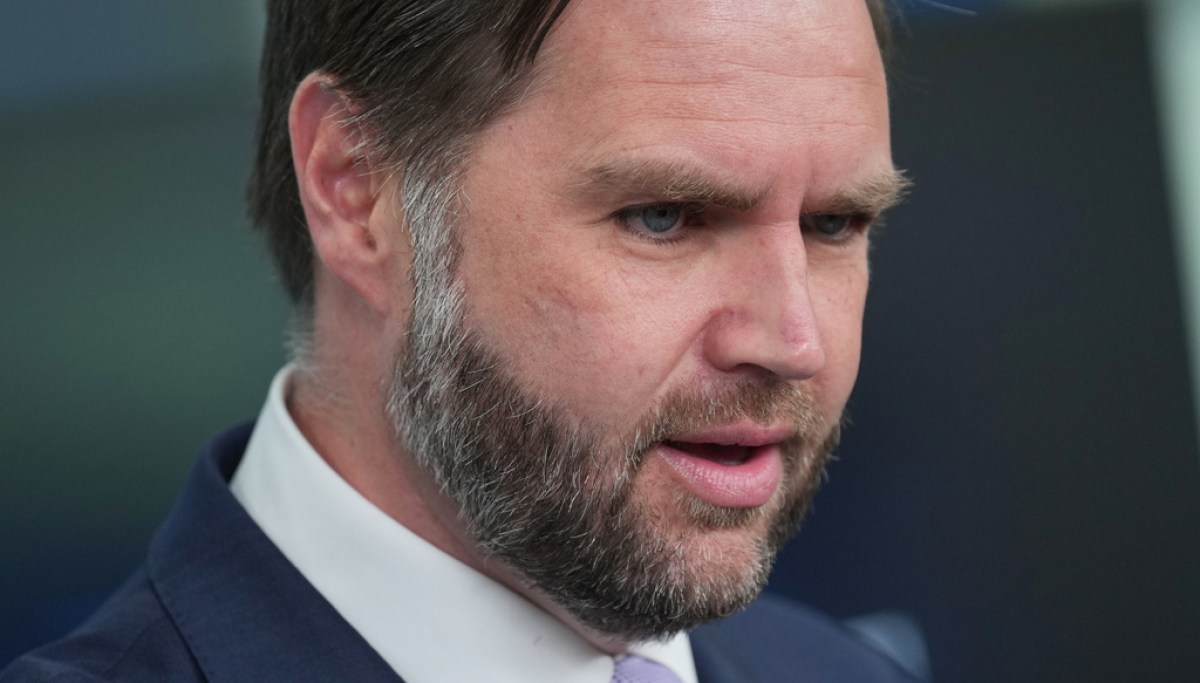
Cover image from washingtonexaminer.com, which was analyzed for this article
A new DOJ fund to compensate Trump supporters and Jan. 6 defendants sparked outrage and questions about political favoritism. Reports detailed large payouts and links to prior lawsuits against the IRS.
PoliticalOS
Wednesday, May 20, 2026 — Politics
The compensation fund was created as part of resolving a lawsuit over leaked tax returns, not as a new program designed for January 6 defendants. Its actual distribution will depend on how the commission interprets eligibility for claims of unfair prosecution. Readers should track the first approved awards to see whether the process stays within the settlement’s stated boundaries.
What outlets missed
The fund originated directly from the settlement of Trump v. IRS rather than a new legislative appropriation aimed at January 6 defendants. Court filings confirm plaintiffs received only an apology while the government created the compensation mechanism to close the case. Neither outlet fully detailed the five-member commission structure or the precise eligibility criteria announced by the DOJ. The $1.776 billion figure reported by one outlet could not be independently verified against the other coverage or the official announcement.
Taxpayers now face a $1.7 billion compensation program created through a settlement that ended a lawsuit over leaked presidential tax returns. The program’s stated purpose is to address claims of government overreach, yet its potential reach to individuals charged in the January 6, 2021, Capitol events has drawn immediate political attention.
The Justice Department announced the fund on May 19, 2026, after President Trump, his sons, and the Trump Organization dropped their $10 billion suit against the IRS. Court records show the suit alleged improper disclosure of tax information in 2019 and 2020. Under the agreement the government issued a formal apology and established the fund, to be administered by Acting Attorney General Todd Blanche and drawn from the existing DOJ judgment fund. Claims must be filed by December 2028.
Eligibility language covers those who “suffered weaponization and lawfare.” Vice President JD Vance told reporters the process will review cases individually and that no funds will go directly to Trump or his family. He noted the fund remains open to any qualifying applicant, including Hunter Biden. Separate reporting from NBC News described a private dinner earlier this year at which Ed Martin, then part of a DOJ task force and now pardon attorney, discussed large payouts for January 6 defendants with Republican operative Norm Coleman. Martin had previously advocated “reparations” for those he viewed as wrongly prosecuted; both Martin and the DOJ later disputed the characterization of his remarks.
More than 1,500 people faced federal charges after the Capitol breach. Trump pardoned the group on his first day back in office in January 2025. Federal charging documents distinguish between those who entered the building and those accused of assaulting officers. Attorneys for some defendants have already signaled interest in filing claims. Senate Majority Leader John Thune expressed uncertainty about the fund’s use, while Senators John Kennedy and Ron Johnson said they were open to compensating people harmed by government action.
Democratic critics argue the money could reach individuals convicted of violence against police. Republicans counter that the fund simply resolves a civil dispute and provides recourse for perceived prosecutorial excess. The central unresolved question is how strictly the commission will interpret “unfairly prosecuted” when reviewing applications from the January 6 cohort.
More in Politics

Federal Agents Search Omar Home in Ongoing Immigration Probe
Homeland Security agents searched the Minnesota Democrat's DC residence in a criminal probe, prompting accusations of political intimidation from Omar and Democratic leaders. Coverage spans left-leaning outlets like NPR, BBC, and The Guardian alongside right-leaning criticism from The Federalist and Daily Wire.

Trump Diesel Import Plan Draws Pushback Over Russia Ties
The weekend agreement drew bipartisan congressional pushback and criticism from Ukraine's Zelenskyy, with analysts downplaying US fuel price impacts. Right-leaning outlets like National Review, Dispatch, and Washington Examiner questioned its legality and effectiveness.

Independents Test Voter Appetite for Middle Ground in 2026 Midterms
Nearly 200 independents are running in competitive races as voters weigh ballot measures on housing costs in states like Massachusetts. Left-leaning coverage from NYT, NPR, and Guardian highlights turnout and key races while right outlets focus on GOP strategy.
Trump Rallies in Alaska, Ohio to Bolster GOP Senate Candidates
The president rallied in Wasilla for Sen. Dan Sullivan and faced empty seats at an Ohio event amid midterm concerns. Outlets across the spectrum covered the trips as signals of GOP vulnerability weeks before Election Day.
The Compass
You just read five takes on one story.
What's your take? Find your political shape in a few minutes.
Take the test