
Graham Pushes Expanded Strikes on Iran, Defines Victory Around Reopened Strait
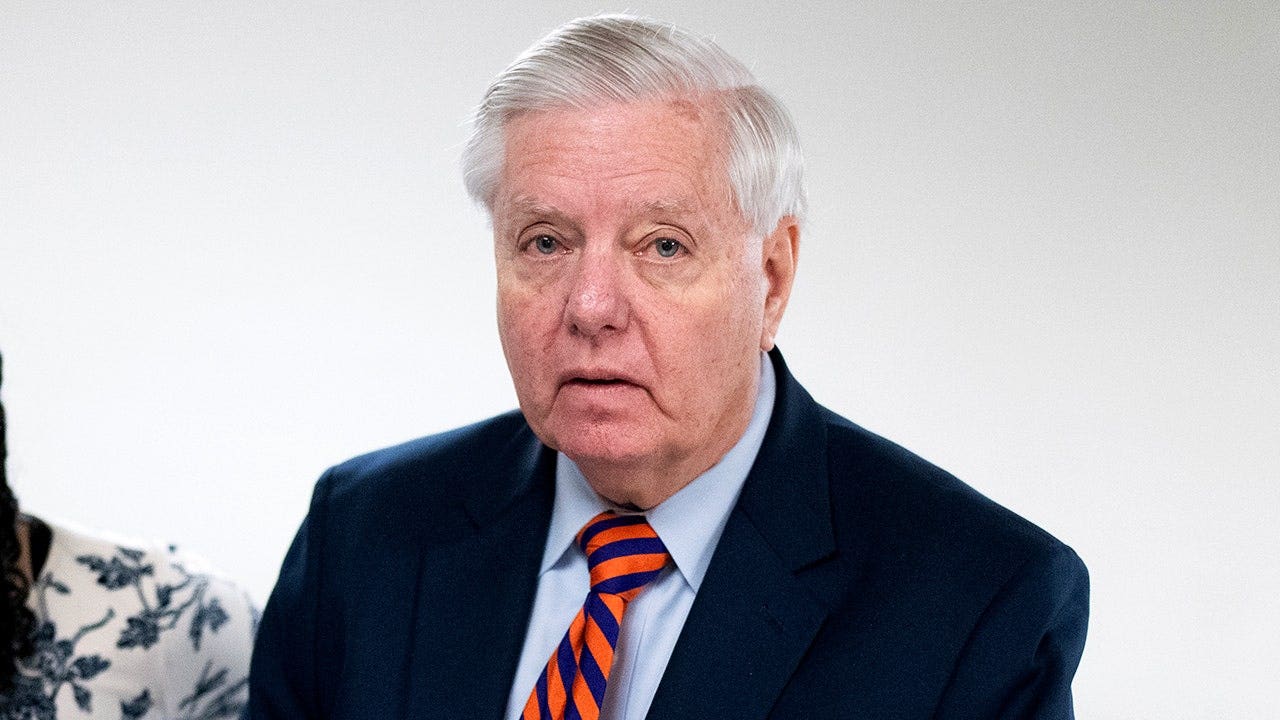
Cover image from foxnews.com, which was analyzed for this article
Sen. Lindsey Graham called for more US strikes on Iran's war machine and arming dissidents to overthrow the regime. Critics mocked his definition of victory amid the Hormuz clashes. His stance reflects hawkish GOP views on the conflict.
PoliticalOS
Tuesday, May 5, 2026 — Politics
Sen. Graham's push for further strikes and support to Iranian dissidents crystallizes a deeper debate over what 'victory' realistically means after months of conflict that began with U.S.-Israeli action and has already disrupted global energy flows. The Strait of Hormuz's status directly affects gas prices and recession risk for American families, yet Iran's nuclear material appears dispersed rather than destroyed and its regime may be hardened rather than weakened. The single most important reality is that further escalation carries immediate economic costs at home and uncertain strategic returns abroad; claims on all sides about casualties, costs, and capabilities require careful cross-checking.
What outlets missed
Most accounts omitted that the war opened with U.S.-Israeli strikes on Feb. 28, 2026, directly prompting Iran's closure of the Strait of Hormuz; Graham's language of "regaining" navigation responds to that specific disruption. Coverage also underplayed the April ceasefire's fragility, with violations alleged on both sides, and that UAE defenses intercepted most Iranian projectiles in the latest incident, limiting damage to a minor fire and three wounded. The status of Iran's highly enriched uranium was rarely addressed: multiple intelligence assessments indicate it was likely moved and buried at sites such as Isfahan rather than fully eliminated. Finally, intra-GOP criticism, including from Rep. Nancy Mace, and Kurdish groups' denials that they diverted U.S. weapons shipments received almost no attention.
Rising gas prices, stranded oil tankers, and fresh clashes in the Strait of Hormuz have thrust the U.S. back toward escalation with Iran. Sen. Lindsey Graham, appearing on Fox News Monday night, called for a "big, strong and short" response targeting Iran's military capabilities, including potential destruction of Kharg Island from the air. He argued this would prevent Iran from regenerating as a leading state sponsor of terrorism after its nuclear program was hit.
The South Carolina Republican told host Sean Hannity that victory meant regaining freedom of navigation through the strait, further degrading Iranian forces, defending allies such as the United Arab Emirates from missile and drone attacks, and ultimately brokering peace between Saudi Arabia and Israel. "The UAE has been a champion ally," Graham said. He stopped short of endorsing a ground seizure of Kharg Island but favored issuing an ultimatum to Tehran. Graham also expressed support for empowering Iranian civilians with weapons to challenge the regime internally, though exact phrasing around a "Second Amendment solution" appeared in only some reporting and could not be independently verified across all outlets covering the same interview.
These remarks land more than two months after U.S. and Israeli strikes began on Feb. 28, 2026, an operation that prompted Iran to close the strait in response. A fragile April ceasefire followed, yet recent incidents including strikes on a South Korean cargo ship, attacks on UAE infrastructure, and Iranian small-boat activity have kept tensions high. U.S. Central Command confirmed helicopter strikes sank six such vessels on May 5. Iranian Foreign Minister Seyed Abbas Araghchi countered that the American "Project Freedom" effort to secure shipping risked becoming a "Project Deadlock" and quagmire.
Critics immediately highlighted what they saw as a circular definition of success. The strait was open before the initial U.S.-Israeli campaign, noted blogger Hemant Mehta. Journalist and law professor Scott Horton called Graham's standard "a pretty bizarre definition of victory." Former chess champion Garry Kasparov suggested it fell short of genuine regime change or nuclear elimination. One outlet reported the conflict had already cost at least 13 U.S. service members' lives, thousands of Iranian deaths, and up to $50 billion, but those specific figures were not corroborated elsewhere and remain unverified. National average regular gas prices reached $4.48 Tuesday.
Graham's stance fits a consistent hawkish line he has taken for years on Iran. President Trump, in a Truth Social post, noted Iranian shots at international shipping and suggested South Korea join the mission. On a separate CNN panel the same day, Democratic commentator Adam Mockler clashed with National Review's Noah Rothman and financier Hal Lambert over whether the U.S. is safer, the location of Iran's dispersed enriched uranium stockpile, and recession risks from prolonged strait closure. Mockler stressed that economists warn extended disruption could trigger recession; Lambert countered that preventing a nuclear Iran justified the effort.
The central tension is unresolved: whether calibrated escalation, threats to Iranian oil infrastructure, and material support for internal dissent can force lasting behavioral change from Tehran, or whether such steps risk deeper entanglement, higher energy costs, and strengthened hard-liner control inside Iran. Graham maintains no American boots on the ground are needed and that arming locals could turn the tide without direct U.S. invasion. Iranian officials insist there is no military solution and that diplomacy, including Pakistani-mediated talks, remains viable. Coverage diverged sharply on emphasis. Some outlets stressed Graham's ally-defense rationale and CENTCOM operational updates. Others foregrounded online mockery and questions about whether declared victory simply restores the pre-war status quo.
What remains clear is the economic pressure felt at American gas pumps and in global markets. The strait carries roughly one-fifth of world oil trade. Its contested status, the uncertain fate of Iran's buried nuclear material, and the human toll on all sides continue to fuel debate over ends and means. Graham is seeking reelection this year with Trump's endorsement; his prescriptions reflect one pole of a divided Republican foreign-policy conversation that now collides with immediate pocketbook consequences for U.S. households.
More in Politics

Federal Agents Search Omar Home in Ongoing Immigration Probe
Homeland Security agents searched the Minnesota Democrat's DC residence in a criminal probe, prompting accusations of political intimidation from Omar and Democratic leaders. Coverage spans left-leaning outlets like NPR, BBC, and The Guardian alongside right-leaning criticism from The Federalist and Daily Wire.

Trump Diesel Import Plan Draws Pushback Over Russia Ties
The weekend agreement drew bipartisan congressional pushback and criticism from Ukraine's Zelenskyy, with analysts downplaying US fuel price impacts. Right-leaning outlets like National Review, Dispatch, and Washington Examiner questioned its legality and effectiveness.

Independents Test Voter Appetite for Middle Ground in 2026 Midterms
Nearly 200 independents are running in competitive races as voters weigh ballot measures on housing costs in states like Massachusetts. Left-leaning coverage from NYT, NPR, and Guardian highlights turnout and key races while right outlets focus on GOP strategy.
Trump Rallies in Alaska, Ohio to Bolster GOP Senate Candidates
The president rallied in Wasilla for Sen. Dan Sullivan and faced empty seats at an Ohio event amid midterm concerns. Outlets across the spectrum covered the trips as signals of GOP vulnerability weeks before Election Day.
The Compass
You just read five takes on one story.
What's your take? Find your political shape in a few minutes.
Take the test