
Louisiana GOP Primary Tests Trump Influence on Party
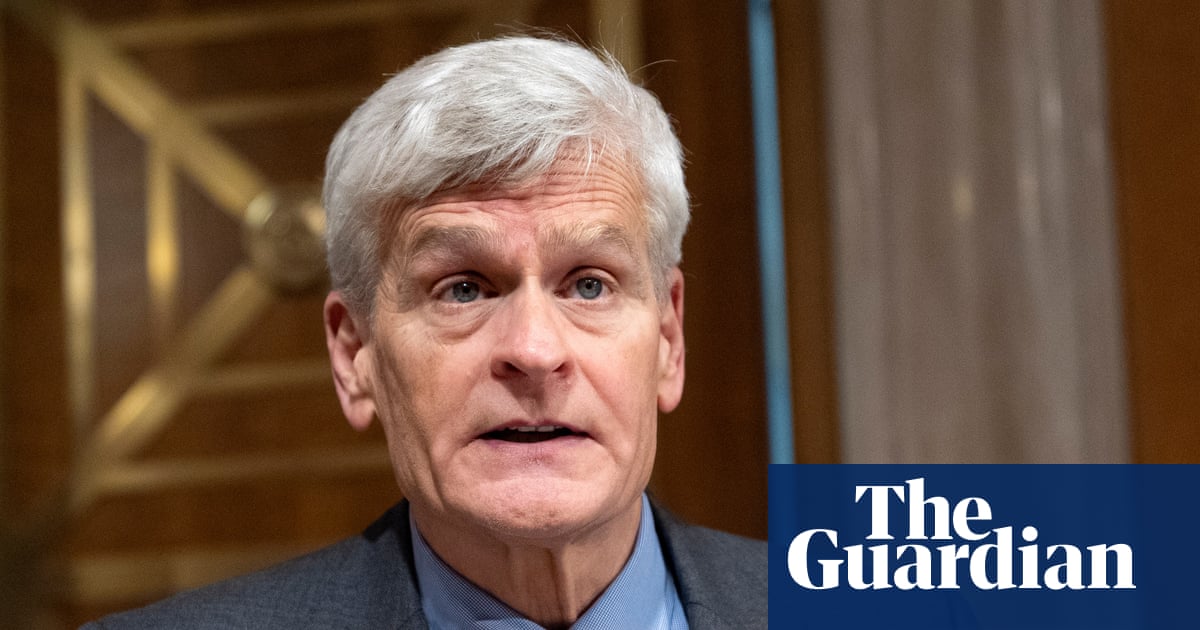
Cover image from theguardian.com, which was analyzed for this article
GOP Senator Bill Cassidy faces a primary challenge after his past impeachment vote against Trump. The race highlights ongoing Republican divisions over loyalty to the president.
PoliticalOS
Saturday, May 16, 2026 — Politics
The primary measures whether Trump’s endorsement can defeat an incumbent who has since supported most of his agenda. Cassidy’s survival depends on whether voters prioritize his legislative record and pro-life backing over the 2021 impeachment vote and the president’s preference for Letlow.
What outlets missed
Most coverage omitted recent Emerson College polling that placed Cassidy in third place at 21 percent among likely Republican primary voters. Few outlets detailed the exact dollar amounts Cassidy’s campaign and allies spent on ads attacking Letlow’s past DEI statements or the specific infrastructure projects funded by the 2021 bipartisan law in Louisiana. Local reporting on Landry’s separate criticisms of Cassidy regarding judicial appointments and immigration enforcement also received little attention outside state outlets.
Louisiana Republicans vote Saturday in a Senate primary that will show how far President Donald Trump’s preferences reach inside his party. Sen. Bill Cassidy, who voted to convict Trump in the 2021 impeachment trial, faces Rep. Julia Letlow, whom Trump endorsed in January, and state Treasurer John Fleming. The outcome will decide whether the incumbent advances or whether voters replace him with a candidate who has aligned more closely with the president.
The race occurs under new rules. Louisiana replaced its open jungle primary with separate party primaries, narrowing the electorate to registered Republicans and unaffiliated voters. Gov. Jeff Landry, a Trump ally, backed Letlow and postponed House primaries after the Supreme Court struck down the state’s congressional map. If no candidate receives more than 50 percent on Saturday, the top two advance to a June 27 runoff.
Cassidy, a physician and chair of the Senate Health, Education, Labor and Pensions Committee, points to legislation he wrote or negotiated that Trump signed and to $13.5 billion in infrastructure funding for Louisiana roads, bridges and broadband. He also highlights his endorsement from Susan B. Anthony Pro-Life America. Letlow, who won her House seat in a 2021 special election after her husband’s death, stresses her Trump endorsement and her opposition to diversity, equity and inclusion programs she once supported in higher education. Fleming, who served in Trump’s first administration, presents himself as the strongest conservative and criticizes both rivals.
Trump has called Cassidy “very disloyal” and urged voters to defeat him. Senate Majority Leader John Thune and the National Republican Senatorial Committee have defended Cassidy as a strong incumbent. Spending has exceeded $30 million, with Cassidy’s side accounting for the largest share. An Emerson College poll from April showed Fleming and Letlow ahead of Cassidy among likely Republican primary voters, though the race remains fluid.
Cassidy has clashed with Health Secretary Robert F. Kennedy Jr. over vaccine policy and blocked the confirmation of Casey Means as surgeon general. Letlow has leaned into Kennedy’s Make America Healthy Again agenda. Fleming has focused on state issues including carbon capture. House Speaker Mike Johnson, a Louisiana Republican, has stayed neutral, citing personal ties to all three candidates.
More in Politics

Federal Agents Search Omar Home in Ongoing Immigration Probe
Homeland Security agents searched the Minnesota Democrat's DC residence in a criminal probe, prompting accusations of political intimidation from Omar and Democratic leaders. Coverage spans left-leaning outlets like NPR, BBC, and The Guardian alongside right-leaning criticism from The Federalist and Daily Wire.

Trump Diesel Import Plan Draws Pushback Over Russia Ties
The weekend agreement drew bipartisan congressional pushback and criticism from Ukraine's Zelenskyy, with analysts downplaying US fuel price impacts. Right-leaning outlets like National Review, Dispatch, and Washington Examiner questioned its legality and effectiveness.

Independents Test Voter Appetite for Middle Ground in 2026 Midterms
Nearly 200 independents are running in competitive races as voters weigh ballot measures on housing costs in states like Massachusetts. Left-leaning coverage from NYT, NPR, and Guardian highlights turnout and key races while right outlets focus on GOP strategy.

Trump Rallies in Alaska, Ohio to Bolster GOP Senate Candidates
The president rallied in Wasilla for Sen. Dan Sullivan and faced empty seats at an Ohio event amid midterm concerns. Outlets across the spectrum covered the trips as signals of GOP vulnerability weeks before Election Day.
The Compass
You just read five takes on one story.
What's your take? Find your political shape in a few minutes.
Take the test