
Mills Exit Elevates Progressive Platner Against Collins in Maine Senate Race
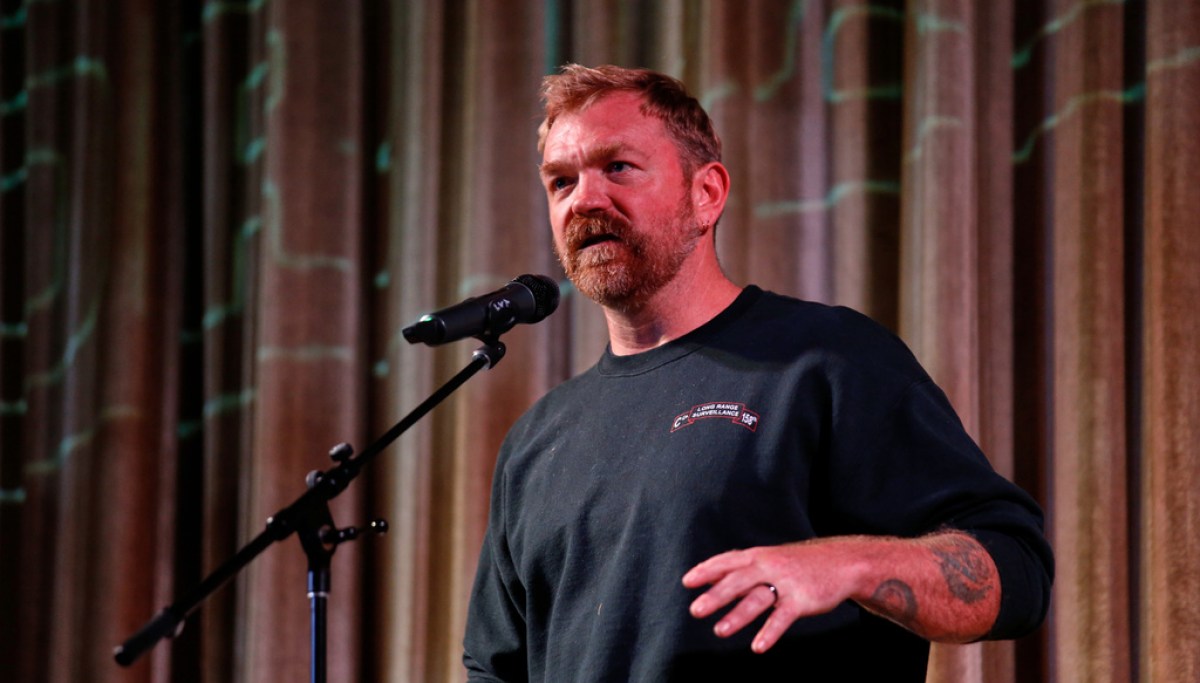
Cover image from washingtonexaminer.com, which was analyzed for this article
Democrat Gov. Janet Mills dropped out of the Maine Senate race, boosting GOP chances in a pivotal contest. Democrats fear left-leaning replacements could harm their midterm map. The shift underscores vulnerabilities in battleground states.
PoliticalOS
Friday, May 1, 2026 — Politics
Janet Mills's withdrawal hands Democrats a younger, progressive nominee in Graham Platner who has already demonstrated primary strength, yet also supplies Republicans with a clear target on his limited governing record and past personal controversies, some of which remain unverified. The contest will test whether Maine voters prioritize fresh populist energy against corporate and Trump-era power or prefer Collins's proven ability to deliver federal resources as an independent-minded incumbent. In a narrowly balanced Senate map, the outcome could hinge less on national mood than on whether Platner can neutralize attacks and consolidate the broad coalition that has kept Collins in office for decades.
What outlets missed
Most coverage omitted or downplayed Platner's documented U.S. Marine Corps service with combat deployments in Iraq from 2003-2007 and Afghanistan from 2010-2011, which undercuts the simple "political newcomer" label and provides a substantive rebuttal to experience-based attacks. Pre-withdrawal polling showing Platner leading Mills by wide margins, such as 52-18 percent in a March 2026 Maine Public poll, received little attention despite explaining her decision more concretely than vague notions of base impatience. High-profile progressive endorsements for Platner from Sens. Bernie Sanders and Elizabeth Warren were absent from two of the three major accounts, diminishing the picture of his viability within the party's left wing. Finally, precise sourcing on the nature of Platner's past Reddit posts—confirmed in local reporting as containing anti-gay slurs he later disavowed—varied widely, with some national outlets substituting unverified claims about rape commentary or rural insults that could not be corroborated elsewhere.
The abrupt departure of Democratic Gov. Janet Mills from Maine's 2026 Senate contest has transformed a competitive primary into an early general-election showdown, pitting a 41-year-old progressive political newcomer against five-term Republican Sen. Susan Collins in a state that leans Democratic yet has repeatedly defied national trends to reelect her. Mills, 78, cited insufficient funding and support in her withdrawal Thursday, according to her spokesman and multiple campaign reports, handing an effective nomination to Graham Platner, an oysterman, former harbormaster and Marine Corps veteran with combat tours in Iraq and Afghanistan. The race now centers on an unresolved tension: whether voter frustration with establishment figures and eagerness for an outsider willing to confront both Republicans and party leadership will outweigh Platner's limited elected experience and past personal controversies in a contest expected to draw tens of millions in outside spending.
Mills had entered the race last fall with the backing of Senate Minority Leader Chuck Schumer and a record that included standing up to the Trump administration over federal funding tied to transgender athletes in girls' sports, per her launch video and contemporaneous news accounts. Yet pre-withdrawal polls, including a March 2026 survey by Maine Public and the Portland Press Herald showing Platner leading her 52 percent to 18 percent, signaled weak traction. Platner, who launched his bid in August 2025, framed the campaign around economic anger at "billionaires and corrupt politicians" and a desire to battle corporate interests, according to his own statements and event coverage. He has secured endorsements from Sens. Bernie Sanders and Elizabeth Warren, which were not highlighted in initial national coverage.
Collins enters as a proven survivor in a state that backed Kamala Harris by roughly seven points in 2024. She has won tough races before, including an 8.6-point victory over Democrat Sara Gideon in 2020 even as Joe Biden carried Maine by nine. As chair of the Appropriations Committee, she has cultivated an image of independence and effectiveness at delivering for Maine, with more than $10 million in the bank and a pledged $42 million from the main Senate Republican super PAC. Democrats counter that her votes for some Trump cabinet and judicial picks leave her exposed in the current environment.
Platner's background includes service on his small town's planning board. He has described himself as ready for a "scorched-earth" Republican campaign. Multiple outlets reported that he has apologized for past social media posts; some accounts specified anti-gay slurs he later called indefensible, while claims of remarks blaming rape victims or criticizing law enforcement in specific terms could not be independently verified across sources. One detail appearing in several reports—a chest tattoo resembling a Nazi symbol that he covered up last fall, claiming he had not understood its meaning—likewise was not corroborated beyond initial online mentions and remains unverified by mainstream reporting. Republicans have already begun advertising on these issues.
Reactions split along predictable lines. Schumer and other party figures quickly endorsed Platner after Mills's exit. Mills herself offered no immediate endorsement, with her spokesman saying she would monitor how Platner "earns the support of Maine voters" and would not back Collins. Progressive voters interviewed in local coverage expressed enthusiasm for Platner's outsider status and generational contrast. Some establishment Democrats, per anonymous strategists cited across outlets, worry his profile could complicate efforts to flip the seat as part of a narrow path to Senate majority that requires defending all current seats while gaining four. The contest has drawn early comparisons to other Democratic primaries, including an ongoing three-way race in Michigan between Rep. Haley Stevens, Dr. Abdul El-Sayed and State Sen. Mallory McMorrow.
Broader context includes federal disputes between Maine and the Trump administration over Title IX enforcement regarding transgender participation in school sports, which led to temporary funding pauses on programs including school meals for roughly 172,000 children before court intervention restored them. Mills had highlighted her resistance in campaign materials. Platner has called such debates distractions from economic priorities. The full impact of these exchanges on voter sentiment in Maine has yet to crystallize, as has the question of whether experience or populist intensity will weigh more heavily in November 2026.
More in Politics

Federal Agents Search Omar Home in Ongoing Immigration Probe
Homeland Security agents searched the Minnesota Democrat's DC residence in a criminal probe, prompting accusations of political intimidation from Omar and Democratic leaders. Coverage spans left-leaning outlets like NPR, BBC, and The Guardian alongside right-leaning criticism from The Federalist and Daily Wire.

Trump Diesel Import Plan Draws Pushback Over Russia Ties
The weekend agreement drew bipartisan congressional pushback and criticism from Ukraine's Zelenskyy, with analysts downplaying US fuel price impacts. Right-leaning outlets like National Review, Dispatch, and Washington Examiner questioned its legality and effectiveness.

Independents Test Voter Appetite for Middle Ground in 2026 Midterms
Nearly 200 independents are running in competitive races as voters weigh ballot measures on housing costs in states like Massachusetts. Left-leaning coverage from NYT, NPR, and Guardian highlights turnout and key races while right outlets focus on GOP strategy.

Trump Rallies in Alaska, Ohio to Bolster GOP Senate Candidates
The president rallied in Wasilla for Sen. Dan Sullivan and faced empty seats at an Ohio event amid midterm concerns. Outlets across the spectrum covered the trips as signals of GOP vulnerability weeks before Election Day.
The Compass
You just read five takes on one story.
What's your take? Find your political shape in a few minutes.
Take the test