
Trump Administration Reclassifies Medical Marijuana to Schedule III

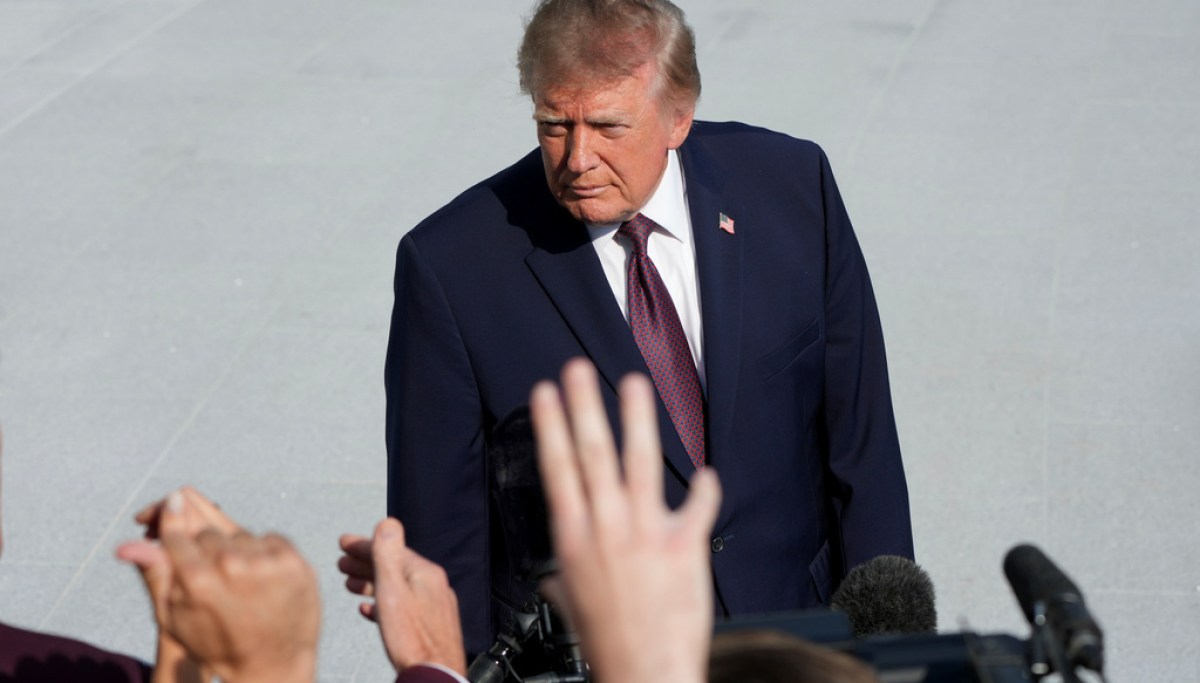
Cover image from csmonitor.com, which was analyzed for this article
Acting AG Blanche moves state-licensed medical marijuana to Schedule III like ketamine, signaling reform path. Public opinion mixed on reduced dangers. Ties into broader FDA red tape cuts for drugs like ibogaine aiding veterans.
PoliticalOS
Friday, April 24, 2026 — Politics
The Trump administration has formally recognized currently accepted medical uses for state-regulated marijuana by moving it to Schedule III, removing a longstanding tax penalty and lowering research barriers while stopping short of federal legalization. The move rests on a 2023 HHS evidence review yet faces legal challenges and coexists with persistent worries about cannabis-use disorder, youth access and blurred medical-recreational lines. Paired with a separate push to accelerate psychedelic therapies such as ibogaine for veterans, the policy signals a broader reevaluation of once-forbidden substances; the decisive test will be whether ensuing research validates therapeutic claims or confirms long-term societal costs.
What outlets missed
Most outlets underplayed the 2023 HHS evaluation that provided the scientific backbone for rescheduling, documenting currently accepted medical use through state programs and comparative abuse potential lower than Schedules I and II. The precise tax mechanism — repeal of IRC Section 280E restrictions for Schedule III entities — received scant detail despite its estimated annual value to the industry in the hundreds of millions. Coverage of the ibogaine executive order rarely noted that the Stanford trial was small, open-label and run abroad, nor did most reports clarify that the marijuana order and psychedelic directive are separate though philosophically linked actions. State counts were occasionally imprecise; only Idaho maintains a complete prohibition on all cannabis products, while Kansas permits low-THC medical use. Finally, few stories examined how the June 29 DEA hearing could extend Schedule III benefits to recreational programs, an outcome that would amplify both the fiscal upside and the public-health debate.
For patients in 40 states who use marijuana to manage chronic pain, seizures or the aftermath of trauma, federal rules just eased. Businesses that supply state-licensed medical cannabis can now deduct ordinary operating expenses on their taxes for the first time in decades. The Justice Department on Thursday moved that category of marijuana from Schedule I — the tier shared with heroin and LSD — into Schedule III alongside ketamine, a shift that Acting Attorney General Todd Blanche said would expand access to medical treatment options and open new avenues for research into safety and efficacy.
The order builds on a process that began in the prior administration. In August 2023 the Department of Health and Human Services recommended rescheduling after determining the drug has a currently accepted medical use in treatment and an abuse potential lower than substances in Schedules I and II, according to a Congressional Research Service summary of the HHS evaluation. President Biden’s Justice Department initiated formal rulemaking; the DEA was still reviewing thousands of public comments when Trump took office. In December Trump directed the department to fast-track the review. A broader DEA hearing on full rescheduling is set for June 29.
Marijuana remains illegal for recreational purposes at the federal level. The new rule applies only to state-licensed medical programs and does not create new FDA-approved prescription products. Twenty-two Republican senators and 26 House Republicans wrote to the White House last year opposing the move, citing concerns about youth exposure, impaired driving and the absence of federally approved medical formulations.
Public attitudes are divided. A Gallup poll conducted in 2024 found a slim majority of Americans now believe marijuana harms most users and damages society overall, a more negative view than in 2022 even as legal sales grew. At the same time a Pew Research Center survey last year showed only 12 percent of respondents believe no form of marijuana should be legal, with 33 percent supporting medical use only and 54 percent favoring both medical and recreational legalization.
Critics argue the change blurs lines. Kevin Sabet, CEO of Smart Approaches to Marijuana, said the drug lacks FDA-approved medical uses that would normally accompany a Schedule III placement and called the move an industry giveaway that bypasses normal rulemaking. Alex Berenson, author of a book linking cannabis to psychiatric risks in a subset of users, said the policy artificially separates medical from recreational use when the product sold in dispensaries is largely the same. Both warned of lessons from Big Tobacco and rising cannabis-use disorder, which the CDC estimates affects about three in ten regular users.
Supporters counter that state licensing systems have matured since California’s 1996 medical program, with strict controls from cultivation to sale. The reclassification removes a key barrier under IRC Section 280E that had prevented ordinary tax deductions, potentially saving dispensaries hundreds of millions and freeing capital for compliance and research. It also aligns federal policy more closely with the 40 states plus D.C. that permit medical marijuana and the 24 states plus D.C. that allow adult recreational use.
The marijuana action arrived days after Trump signed a separate executive order directing the FDA to accelerate review of psychedelic therapies, including ibogaine and psilocybin, that have received Breakthrough Therapy designation. Podcaster Joe Rogan, who has advocated ibogaine for veterans with PTSD and traumatic brain injury, attended the signing. The order commits $50 million in federal matching funds for state research programs and expands access through the Right to Try pathway. Ibogaine itself remains Schedule I pending further study.
A 2024 Stanford study published in Nature Medicine followed 30 special operations veterans with traumatic brain injuries who received supervised ibogaine treatment. Researchers reported substantial reductions in PTSD, depression and anxiety symptoms one month later, with no serious adverse events under cardiac monitoring; the study was open-label and conducted at a clinic in Mexico. Veterans have long traveled abroad for ibogaine because domestic trials were blocked. The VA reports roughly 17 veteran suicides per day. Proponents, including former Texas Gov. Rick Perry, argue controlled research is overdue. Critics note ibogaine’s history of cardiac risks in unscreened patients and say the evidence base remains preliminary.
Legal challenges to the marijuana rescheduling are expected. The Foundation for Drug Policy Solutions plans to argue the move circumvents FDA approval requirements for Schedule III drugs. Advocates for fuller decriminalization, including the Drug Policy Alliance, welcomed reduced research barriers but said the order leaves most cannabinoid products illegal outside narrow FDA approvals and fails to address arrests or collateral consequences of prior convictions.
The central unresolved question is whether regulators can maintain a meaningful distinction between medical and recreational cannabis while expanding scientific inquiry. Schedule III status signals accepted therapeutic value without declaring the drug harmless. How states, physicians and researchers respond over the next year will determine whether the policy delivers measurable medical progress or simply accelerates commercialization under a new label.
More in Politics

Federal Agents Search Omar Home in Ongoing Immigration Probe
Homeland Security agents searched the Minnesota Democrat's DC residence in a criminal probe, prompting accusations of political intimidation from Omar and Democratic leaders. Coverage spans left-leaning outlets like NPR, BBC, and The Guardian alongside right-leaning criticism from The Federalist and Daily Wire.

Trump Diesel Import Plan Draws Pushback Over Russia Ties
The weekend agreement drew bipartisan congressional pushback and criticism from Ukraine's Zelenskyy, with analysts downplaying US fuel price impacts. Right-leaning outlets like National Review, Dispatch, and Washington Examiner questioned its legality and effectiveness.

Independents Test Voter Appetite for Middle Ground in 2026 Midterms
Nearly 200 independents are running in competitive races as voters weigh ballot measures on housing costs in states like Massachusetts. Left-leaning coverage from NYT, NPR, and Guardian highlights turnout and key races while right outlets focus on GOP strategy.
Trump Rallies in Alaska, Ohio to Bolster GOP Senate Candidates
The president rallied in Wasilla for Sen. Dan Sullivan and faced empty seats at an Ohio event amid midterm concerns. Outlets across the spectrum covered the trips as signals of GOP vulnerability weeks before Election Day.
The Compass
You just read five takes on one story.
What's your take? Find your political shape in a few minutes.
Take the test