
May Day Protests Draw Thousands in Strike Calls Against Trump Agenda and Soaring Energy Costs

Cover image from aljazeera.com, which was analyzed for this article
Protests and calls for a general strike mark May Day, targeting Trump's policies, billionaire influence, and war impacts. Over 600 groups mobilize thousands in a rare red-blue alliance. Demonstrations coincide with economic discontent from high energy costs.
PoliticalOS
Friday, May 1, 2026 — Politics
Widespread economic anxiety over energy prices, education funding and perceived elite capture is real and has mobilized a broad if ideologically uneven coalition for May Day action. Yet legal barriers to general strikes, unverified participation numbers and the historical tendency of such movements to fracture mean symbolic disruption is more likely than immediate structural change. Readers should weigh radical participation and funding sources against mainstream labor's legitimate grievances rather than accept any single outlet's framing of the protests as either salvation or subversion.
What outlets missed
Most coverage omitted the bidirectional triggers of the 2026 Iran conflict: U.S.-Israeli strikes responded to years of Iranian nuclear advances and proxy attacks through Hezbollah and Hamas before Iran retaliated by closing the Strait of Hormuz, which handles one-fifth of global oil and directly caused the energy price surge fueling domestic discontent. Fox News alone detailed Neville Roy Singham's estimated $278 million in funding to aligned groups and the specific participation of the Communist Party USA and Maoist Communist Union, details not corroborated elsewhere and therefore unverified in full. Left-leaning outlets downplayed Taft-Hartley Act prohibitions on sympathy strikes and the 1946 strike wave's role in generating public backlash that led to its passage. Nonviolence commitments required by May Day Strong organizers received almost no attention, softening perceptions of risk. Finally, no single outlet assembled both the pro-labor achievements of the prior Democratic administration and the close margins in recent socialist electoral wins like Zohran Mamdani's New York City mayoral race.
Soaring energy prices from the 2026 Iran conflict have sharpened economic grievances that organizers say will fuel one of the largest May Day mobilizations in recent U.S. history. On May 1, coalitions under the May Day Strong banner planned more than 3,000 events across the country, urging workers, students and families to skip work, school and shopping in what they described as an economic blackout targeting Trump administration policies, billionaire influence in government, immigration enforcement and U.S. involvement in Middle East wars. The demonstrations coincide with global Labor Day actions where unions in Europe, Latin America and Asia voiced parallel concerns over living standards and conflict-driven inflation.
At the center of the tension lies a question few outlets framed directly: can a loose alliance of mainstream unions, Democratic Party chapters and explicitly socialist or communist groups translate widespread discontent into durable power, or will legal restrictions, tactical disagreements and uneven public support limit its reach? Organizers from the National Education Association, United Auto Workers and groups like Indivisible and the Democratic Socialists of America promoted demands to "tax the rich," curtail ICE operations, expand union rights and redirect resources from war to domestic needs. According to coalition materials, more than 600 organizations with collective revenue exceeding $2 billion participated, though the precise financial figure and full roster could not be independently verified beyond reporting by Fox News Digital.
The scale built on earlier 2026 actions. Organizers claimed prior "No Kings" protests against Trump drew millions, a figure not corroborated by independent tallies. In North Carolina, at least eight school districts closed or faced major disruptions after teachers and staff planned absences, with the NEA citing per-pupil spending ranked near the bottom nationally. Student walkouts were projected in the tens of thousands by groups like the Sunrise Movement, though actual participation remained unconfirmed as events unfolded. In cities from New York and Chicago to Los Angeles and Seattle, participants gathered at rallies, art builds and marches. Some carried signs echoing historical labor fights for the eight-hour day that culminated in the 1886 Haymarket affair.
Fox News Digital's investigation highlighted involvement by the Party for Socialism and Liberation, ANSWER Coalition, Code Pink and networks linked to Neville Roy Singham, an American-born businessman in Shanghai who has funded leftist causes. It reported Communist Party USA materials urging resistance to "MAGA" and described the coordination as a "red-blue alliance" blending far-left organizations with Democratic state parties in California, Ohio and elsewhere. Those specifics on funding and communist participation were not addressed in coverage by NPR, The Guardian or Mother Jones. Al Jazeera emphasized international dimensions, quoting unions blaming "Donald Trump's war in the Middle East" for energy spikes after Iran closed the Strait of Hormuz in response to U.S.-Israeli strikes on Iranian nuclear and military sites that followed proxy attacks by Hezbollah and Hamas.
Legal and historical realities complicate the strike rhetoric. Labor historian Erik Loomis told Mother Jones that true general strikes have been rare in U.S. history, often emerging from specific workplace disputes before expanding, and that the 1947 Taft-Hartley Act outlawed sympathy strikes and secondary boycotts. Unions risk penalties for violating contracts. The White House responded that the Trump administration has supported American workers through trade renegotiations, manufacturing investments and border security. North Carolina Republican state Sen. Amy Galey criticized school closures for reducing instructional time late in the academic year.
Left-leaning accounts stressed worker agency. United Auto Workers President Shawn Fain was quoted urging members to decide "what kind of world we want to live in." A New York State Assembly member and union organizer wrote in The Guardian that participation reflected exhaustion with both parties' failures on cost-of-living issues. Yet several outlets omitted counterbalancing context: the Biden administration added 16 million jobs, saw union membership interest double in some sectors and featured the first president to join a UAW picket line. Claims that specific billionaires like Elon Musk "dismantled" labor protections or Jeff Bezos sought exactly "$100bn" for manufacturing automation appeared only in The Guardian and could not be independently verified.
By late Thursday, preparation was visible. Activists assembled signs at "Liberation Centers" run by socialist groups. Professional public relations coordinated press releases. Whether the day's actions produce measurable policy shifts, sustained organizing or mainly symbolic pressure will depend on turnout, public reaction to any disruptions and the coalition's ability to bridge its ideological range without alienating moderates. May Day has long served as both celebration of labor gains and reminder of their cost. This year's version tests whether that history can be repeated under current economic strain and political division.
More in Politics

Trump Rejects Iran's Seven-Day Hormuz Reopening Offer
President Trump dismissed Iran's offer to reopen the Strait of Hormuz in exchange for sanctions relief, calling it unacceptable amid ongoing Middle East tensions. The move follows indirect talks and is tied to midterm political calculations.
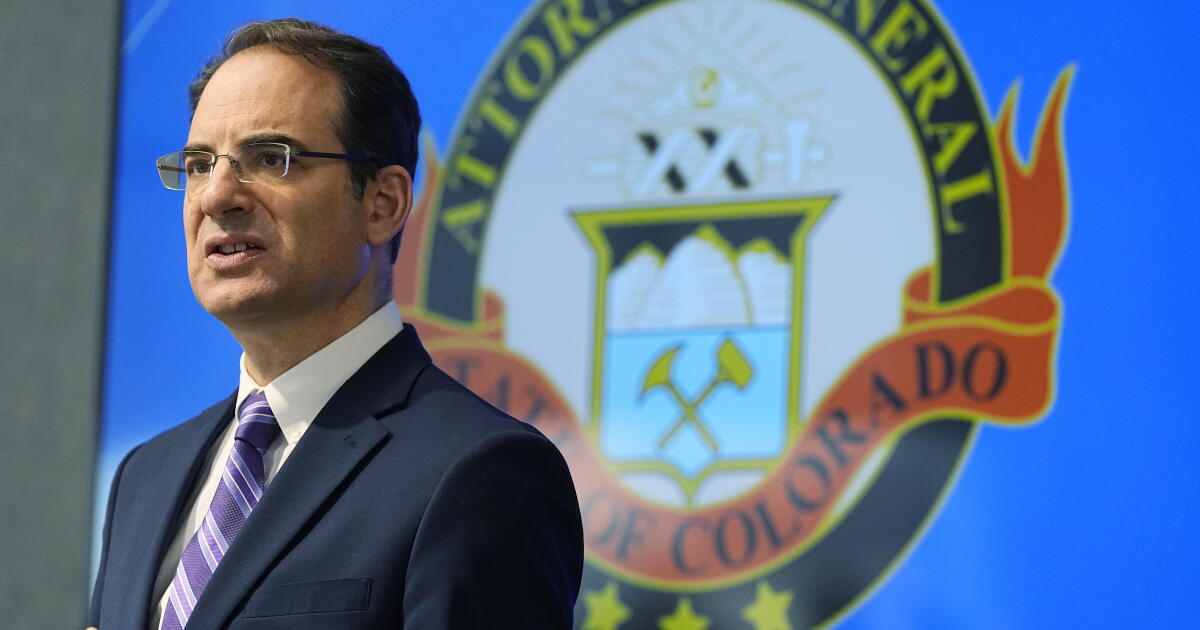
Democrats Outline Post-Midterm Oversight of Trump Administration
If Democrats win the midterms, expansive investigations into Trump, his family, and administration are planned, with impeachment as a possible tool.
White House Drops CNN from Air Force One Pool After Court Ruling
The Trump administration barred CNN from the presidential travel pool for a trip to Tennessee, escalating a dispute over media access despite a recent court order restoring some outlets' White House credentials. Left-leaning outlets framed it as a First Amendment crisis while right-leaning sources portrayed it as justified pushback against biased coverage.
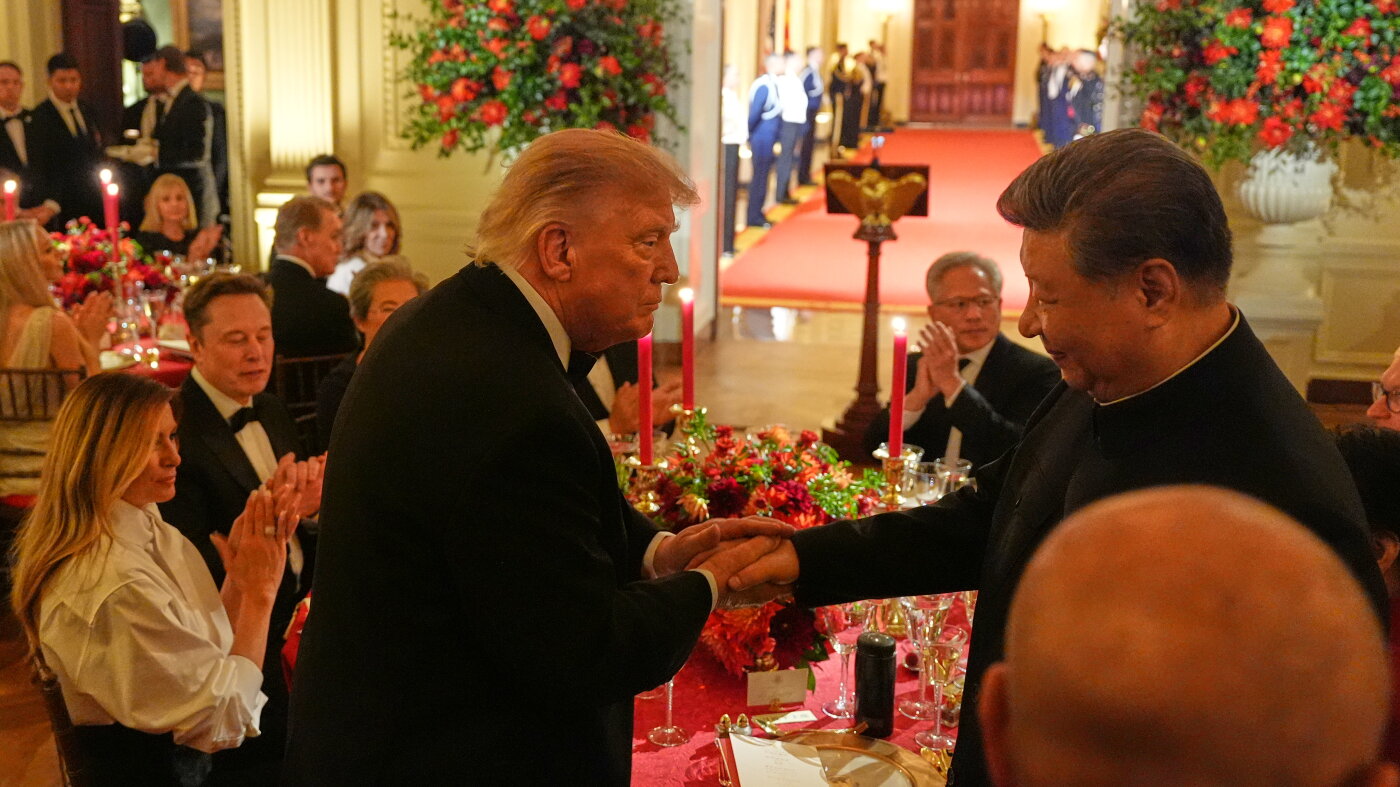
Trump Hosts Xi for State Dinner Focused on Pageantry Amid Trade and AI Strains
President Trump welcomed Chinese President Xi Jinping for high-profile talks on trade, tariffs, AI, and bilateral rivalry, featuring a White House tour and state dinner with tech executives. Coverage highlighted symbolic pomp over major breakthroughs, with both sides maintaining a cordial tone amid persistent tensions.
The Compass
You just read five takes on one story.
What's your take? Find your political shape in a few minutes.
Take the test