
Jury Dismisses Musk OpenAI Lawsuit Over Filing Deadline
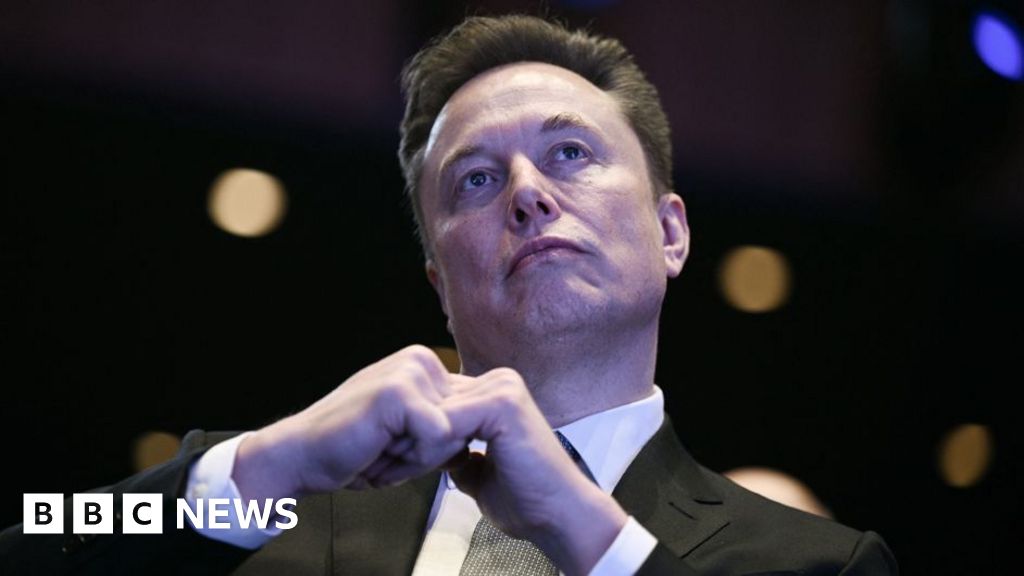
Cover image from bbc.com, which was analyzed for this article
Elon Musk lost his federal case against OpenAI, with the jury ruling the suit was filed too late. Testimony featured accusations of lying under oath from both sides.
PoliticalOS
Tuesday, May 19, 2026 — Tech
The lawsuit ended on a timing technicality rather than any ruling about OpenAI’s mission shift. The core question of whether the company betrayed its founding nonprofit commitments remains unresolved and will likely surface again on appeal or in future disputes.
What outlets missed
Most accounts omitted the precise 2019 creation date of OpenAI’s for-profit subsidiary, which occurred after Musk’s 2018 departure and clarifies the sequence of disputed events. Few detailed the exact statute applied or the jury instructions on when Musk’s awareness of commercial plans began the limitations clock. Coverage also underplayed the volume of exhibits—hundreds of documents and messages—presented over the three-week trial before the quick verdict. The $38 million Musk contributed early on received inconsistent mention, weakening context for his standing in the case.
Jury Rejects Musk Claims Against OpenAI on Timing Grounds
A federal jury in Oakland ended Elon Musk's lawsuit against OpenAI and its leaders on Monday after finding that the claims came too late under the statute of limitations. The nine-member panel deliberated less than two hours before ruling unanimously that Musk had missed the legal deadline for bringing his case, which sought to reverse OpenAI's shift from a nonprofit research group to a commercial enterprise.
Musk, who helped start OpenAI in 2015 with a stated mission to develop artificial intelligence for broad human benefit rather than private gain, accused chief executive Sam Altman and president Greg Brockman of betraying that original structure for personal profit. The suit asked for Altman's removal and other changes at the company. OpenAI countered that Musk himself had pushed for greater commercialization early on and later started competing AI efforts through his own ventures.
Testimony during the three-week trial exposed sharp internal tensions at OpenAI. Documents showed executives in 2017 worrying that Musk might act like a dictator and urging him to step back. Musk replied that he had heard enough and suggested folding the organization into Tesla. Later records revealed frantic text exchanges during Altman's brief 2023 ouster from the board, along with discussions about a possible merger with rival Anthropic. These details illustrated how quickly personal power struggles overtook the founders' initial rhetoric about serving humanity.
The verdict leaves OpenAI free to continue its commercial expansion, including preparations for what could rank among the largest public offerings in recent years. The company now holds a valuation near 852 billion dollars and maintains major partnerships in the rapidly growing field of generative AI. Musk's effort to force structural changes through the courts has failed, at least for now.
Musk has faced similar setbacks in other recent disputes. He settled claims with former Twitter executives and employees after years of litigation over unpaid obligations following the platform's acquisition. Investors who backed that deal won a separate ruling that Musk's public statements had misled them. A federal judge also blocked certain spending reductions proposed by a government efficiency effort Musk once led, calling the approach an example of improper viewpoint discrimination.
Such repeated court engagements reflect a broader pattern among ambitious figures who turn to litigation when business competition or internal disagreements arise. OpenAI's evolution from a nonprofit lab into a profit-driven entity followed standard economic incentives once large-scale funding and talent demands grew. Musk's own companies operate under the same pressures to generate returns and attract investment. The trial record showed both sides adjusting strategies as market realities intruded on earlier ideals.
Observers noted that the case ultimately hinged on procedure rather than a full examination of whether OpenAI had abandoned its founding charter. This outcome avoids a deeper judicial inquiry into how technology leaders allocate control over powerful new tools. Yet the public evidence that emerged still highlights how rivalries and self-interest shape decisions at the highest levels of AI development, much as they do in other competitive industries.
Musk has indicated he will continue pursuing his concerns through other channels. OpenAI, for its part, can focus on product growth and capital raising without the immediate overhang of this particular challenge. The episode underscores that disputes among wealthy entrepreneurs often consume resources without resolving underlying questions about technology governance or long-term priorities. Market competition and consumer choices have historically provided stronger checks on corporate direction than courtroom battles.
You just read Conservative's take. Want to read what actually happened?
More in Technology
Trump Pushes Community Dividends to Ease Data Center Backlash
Trump suggested tech companies pay local communities a 'dividend' to gain support for massive AI data centers amid growing backlash over energy use and infrastructure.
Musk Pledges One SpaceX Share to Every U.S. Child
Musk announced plans to distribute one SpaceX share to each of roughly 73 million American children next year, drawing praise from Trump and signaling closer alignment between the two.

Trump Administration Bans DeepSeek AI From Federal Civilian Agencies
Tech stocks rebounded on AI optimism while hyperscalers and firms navigate data center infrastructure, earnings focus, and regulatory scrutiny including bans on certain Chinese AI tools.

Musk Says He Will Give One SpaceX Share to Every US Child
Elon Musk announced plans to distribute one SpaceX share to every American child in 2027, with hints of further giveaways. The pledge drew coverage across outlets amid broader discussions of AI philanthropy and Musk entities.
The Compass
You just read five takes on one story.
What's your take? Find your political shape in a few minutes.
Take the test