
Jury Dismisses Musk OpenAI Lawsuit Over Filing Deadline
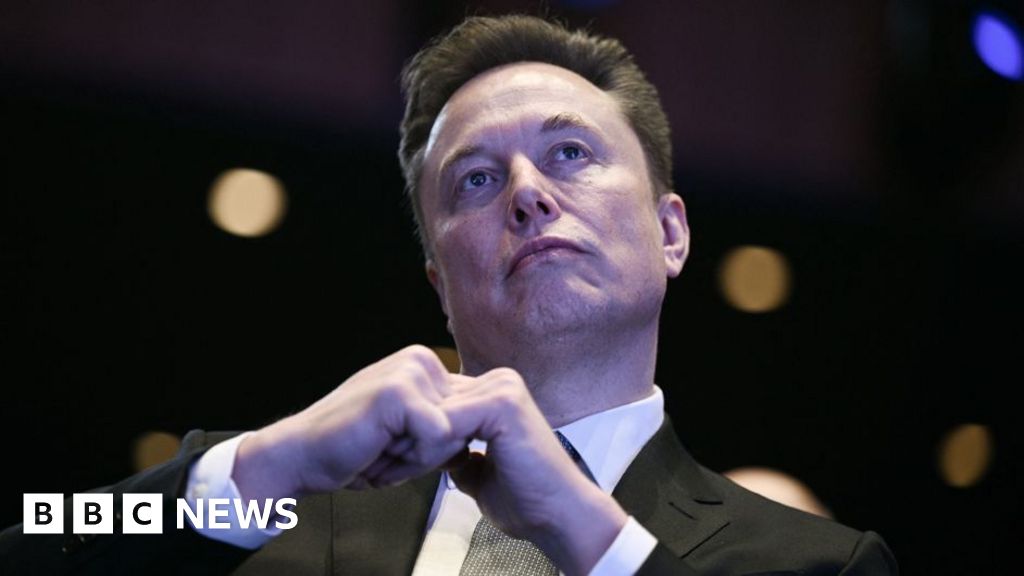
Cover image from bbc.com, which was analyzed for this article
Elon Musk lost his federal case against OpenAI, with the jury ruling the suit was filed too late. Testimony featured accusations of lying under oath from both sides.
PoliticalOS
Tuesday, May 19, 2026 — Tech
The lawsuit ended on a timing technicality rather than any ruling about OpenAI’s mission shift. The core question of whether the company betrayed its founding nonprofit commitments remains unresolved and will likely surface again on appeal or in future disputes.
What outlets missed
Most accounts omitted the precise 2019 creation date of OpenAI’s for-profit subsidiary, which occurred after Musk’s 2018 departure and clarifies the sequence of disputed events. Few detailed the exact statute applied or the jury instructions on when Musk’s awareness of commercial plans began the limitations clock. Coverage also underplayed the volume of exhibits—hundreds of documents and messages—presented over the three-week trial before the quick verdict. The $38 million Musk contributed early on received inconsistent mention, weakening context for his standing in the case.
Jury Dismisses Musk Lawsuit Against OpenAI on Timing Grounds
A federal jury in Oakland delivered a clear but narrow verdict on Monday against Elon Musk in his high-profile lawsuit against OpenAI, ruling that he had waited too long to bring his claims. The nine-member panel found that the statute of limitations had expired before Musk filed his $150 billion complaint last year, ending the case without addressing the central accusation that OpenAI and its leaders had abandoned their original nonprofit mission.
The decision removes an immediate legal threat for OpenAI at a moment when the company is valued at roughly $850 billion and preparing for what could become one of the largest public offerings in history. Yet the three-week trial still exposed uncomfortable details about how a handful of powerful figures are shaping the direction of advanced artificial intelligence. Testimony and internal documents showed early tensions among OpenAI's founders, including concerns that Musk himself might exert too much control, as well as frantic text exchanges during Sam Altman's brief ouster from the company in 2023.
Musk, who helped start OpenAI as a nonprofit in 2015, argued that Altman and president Greg Brockman had converted the organization into a for-profit vehicle for personal gain and competitive advantage. OpenAI countered that Musk had tried to steer the group toward his own interests, including a potential integration with Tesla. The jury never reached those substantive questions. Instead, it focused on procedural timing after less than two hours of deliberation.
The outcome fits a recent pattern for Musk. He settled disputes with former Twitter executives and employees last year, lost a case brought by Twitter investors earlier this spring, and saw a court block certain cuts from the government efficiency initiative he helped lead. In each instance, the legal system proved capable of checking even the world's richest individual, though the costs and delays involved remain unevenly distributed.
What stands out from the OpenAI proceedings is less the personal rivalry between Musk and Altman than the structure of decision-making in frontier AI development. A small number of executives and investors are determining how systems with broad societal effects are built, funded, and governed. The trial records showed rapid shifts from research priorities to commercial scale, alongside merger discussions with competitors such as Anthropic during periods of internal turmoil. These choices carry implications for safety standards, labor markets, and the distribution of resulting economic gains, yet they occur largely outside conventional regulatory channels.
Analysts noted that the case underscored how personal ambitions and institutional design interact in this space. OpenAI's evolution from an idealistic lab to a dominant commercial player reflects incentives that reward rapid deployment and capital accumulation. Musk's own competing AI ventures operate under similar pressures. The result is a field in which public oversight remains limited even as the technology's reach expands.
For OpenAI, the verdict preserves momentum toward an eventual IPO and deeper partnerships. For Musk, it represents another unsuccessful attempt to use the courts to influence a rival's trajectory. The underlying questions about how AI should be developed for broad benefit rather than concentrated returns remain unsettled, and the institutions capable of addressing them at scale have yet to catch up to the pace of technical change.
You just read Liberal's take. Want to read what actually happened?
More in Technology
Trump Pushes Community Dividends to Ease Data Center Backlash
Trump suggested tech companies pay local communities a 'dividend' to gain support for massive AI data centers amid growing backlash over energy use and infrastructure.
Musk Pledges One SpaceX Share to Every U.S. Child
Musk announced plans to distribute one SpaceX share to each of roughly 73 million American children next year, drawing praise from Trump and signaling closer alignment between the two.

Trump Administration Bans DeepSeek AI From Federal Civilian Agencies
Tech stocks rebounded on AI optimism while hyperscalers and firms navigate data center infrastructure, earnings focus, and regulatory scrutiny including bans on certain Chinese AI tools.

Musk Says He Will Give One SpaceX Share to Every US Child
Elon Musk announced plans to distribute one SpaceX share to every American child in 2027, with hints of further giveaways. The pledge drew coverage across outlets amid broader discussions of AI philanthropy and Musk entities.
The Compass
You just read five takes on one story.
What's your take? Find your political shape in a few minutes.
Take the test