
Trump Presses NATO on Spending Amid Iran, Ukraine Strains

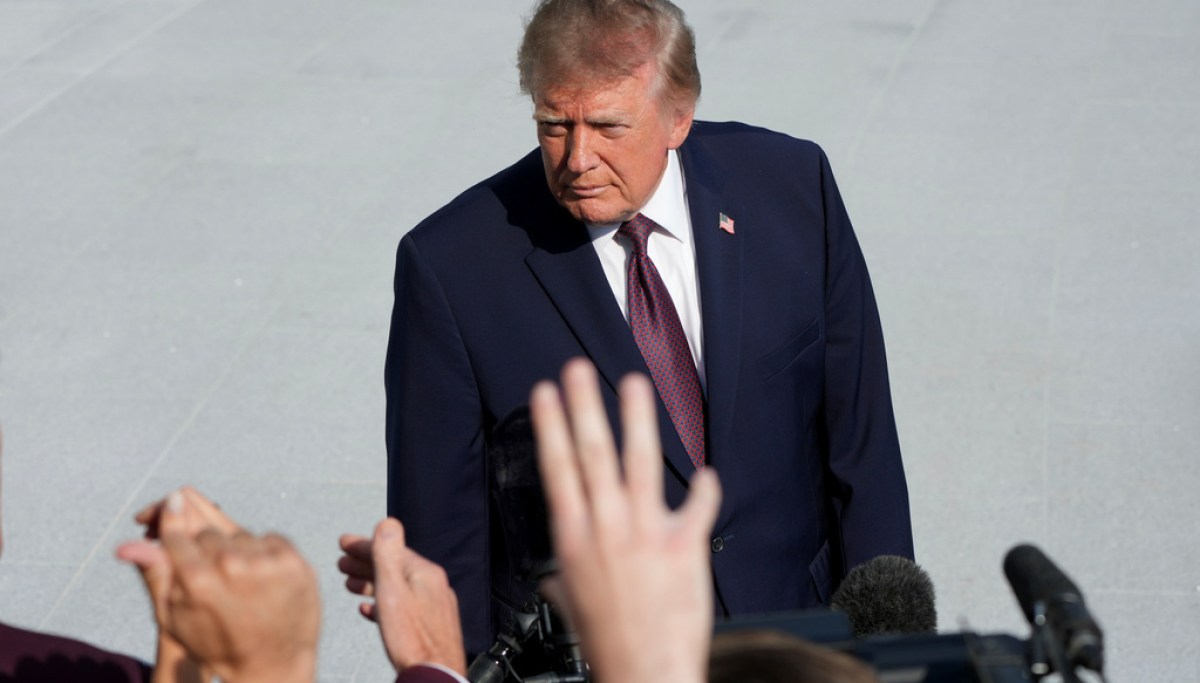
Cover image from npr.org, which was analyzed for this article
President Trump arrives at the NATO summit pushing allies on defense spending amid tensions over Iran, Ukraine, and possible US troop cuts in Europe. Allies seek to address US commitment concerns while Trump signals F-35 access for Turkey.
PoliticalOS
Tuesday, July 7, 2026 — Politics
The summit tests whether NATO can produce verifiable spending road maps that satisfy U.S. demands while preserving cohesion on Ukraine and Middle East contingencies. Allies have met the old 2 percent floor; the unresolved question is whether they will close the gap to the new target before further U.S. posture changes take effect.
What outlets missed
Most coverage omitted the precise breakdown of the 5 percent target—3.5 percent core military and 1.5 percent broader security investments—agreed at the 2025 Hague summit. Few outlets noted that Eastern European and Baltic members already exceed 3 percent while several Western European economies remain near 2 percent. Details on specific base-access restrictions during the Iran operation and the subsequent maritime security cooperation were scattered rather than consolidated. The scheduled bilateral between Trump and Syrian President Ahmed al-Sharaa received almost no advance attention.
NATO’s 32 members gathered in Ankara this week facing a clear test: whether they can convert last year’s pledge to reach 5 percent of GDP on defense into credible plans before U.S. force reductions accelerate. Every ally met the prior 2 percent benchmark in 2025, yet several large economies have signaled they will fall well short of the new target. President Trump arrived Tuesday emphasizing that the United States will shift more of Europe’s conventional defense burden to European and Canadian shoulders.
The central tension is straightforward. Trump administration officials, including Ambassador Matthew Whitaker, stated that allies must move immediately toward the 5 percent goal and that countries contributing more will receive priority in procurement and access. European diplomats described their approach as deliberate management of expectations, praising spending increases while steering clear of topics that could prompt public disagreement. NATO Secretary General Mark Rutte framed the meeting as an opportunity to demonstrate progress on the 2025 Hague commitments.
Tensions over the recent U.S.-led operation against Iran added another layer. Several governments restricted base access or overflight rights during the campaign; the United Kingdom later reversed an initial refusal, while Spain maintained limits and issued public criticism. Administration officials cited these decisions as evidence that burden-sharing extends beyond budgets. European officials pointed to domestic legal constraints and concerns about escalation.
On Ukraine, President Trump said he believes both Moscow and Kyiv want an end to the fighting and that talks are advancing. Ukrainian President Volodymyr Zelenskyy is scheduled for a bilateral meeting and is expected to request additional Patriot interceptors. Russian strikes killed more than 50 civilians in the past week, underscoring Ukraine’s air-defense shortages.
The United States has already reduced brigade combat teams in Europe from four to three and is reviewing further posture adjustments. Germany’s draft budget aims for roughly 5 percent by 2030; Poland, the Baltic states, and several Nordic countries already exceed 3 percent. Spain has rejected the higher target, and the United Kingdom has set an interim goal of 3.5 percent by 2035. Turkey, the host, maintains the alliance’s second-largest army and is in line for possible F-35 discussions.
No formal decisions on troop levels or new spending mandates are expected this week. The meeting’s outcome will be measured by whether allies produce detailed, verifiable road maps that satisfy the U.S. demand for urgency while preserving alliance cohesion.
More in Politics

Federal Agents Search Omar Home in Ongoing Immigration Probe
Homeland Security agents searched the Minnesota Democrat's DC residence in a criminal probe, prompting accusations of political intimidation from Omar and Democratic leaders. Coverage spans left-leaning outlets like NPR, BBC, and The Guardian alongside right-leaning criticism from The Federalist and Daily Wire.

Trump Diesel Import Plan Draws Pushback Over Russia Ties
The weekend agreement drew bipartisan congressional pushback and criticism from Ukraine's Zelenskyy, with analysts downplaying US fuel price impacts. Right-leaning outlets like National Review, Dispatch, and Washington Examiner questioned its legality and effectiveness.

Independents Test Voter Appetite for Middle Ground in 2026 Midterms
Nearly 200 independents are running in competitive races as voters weigh ballot measures on housing costs in states like Massachusetts. Left-leaning coverage from NYT, NPR, and Guardian highlights turnout and key races while right outlets focus on GOP strategy.
Trump Rallies in Alaska, Ohio to Bolster GOP Senate Candidates
The president rallied in Wasilla for Sen. Dan Sullivan and faced empty seats at an Ohio event amid midterm concerns. Outlets across the spectrum covered the trips as signals of GOP vulnerability weeks before Election Day.
The Compass
You just read five takes on one story.
What's your take? Find your political shape in a few minutes.
Take the test