
Nebraska Enacts First Medicaid Work Requirements, Testing Compliance vs. Coverage Risks
Cover image from nbcnews.com, which was analyzed for this article
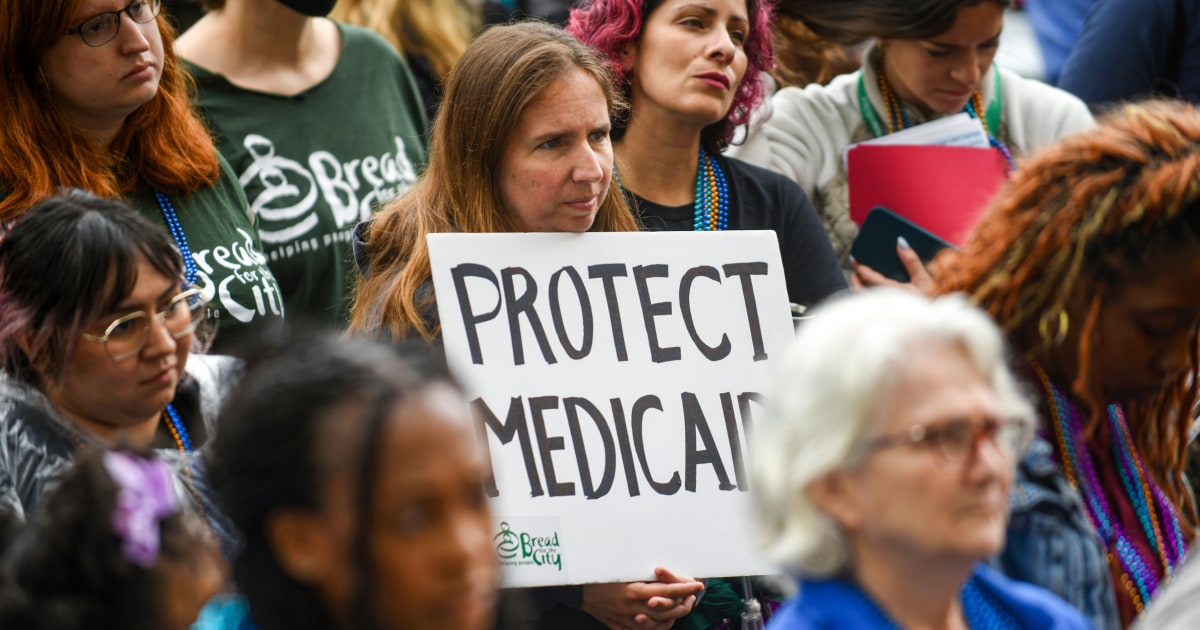
Nebraska implements Medicaid work requirements under Trump budget law, requiring proof of employment for many recipients. Low-income residents worry about coverage loss on day one. Policy sparks debate on welfare reform efficacy.
PoliticalOS
Friday, May 1, 2026 — Politics
Nebraska's early rollout of Medicaid work requirements will test whether data automation and self-attestation can prevent the administrative disenrollments that plagued Arkansas, where most losses stemmed from paperwork rather than actual noncompliance. With two-thirds of eligible adults already working or in school and broad medical exemptions available, the central risk is not unwillingness to work but whether notification and verification systems function smoothly enough to avoid coverage gaps for those the law intends to protect. How Nebraska performs will shape implementation in dozens of states facing the 2027 federal mandate.
What outlets missed
Both outlets underplayed that Nebraska's system allows self-attestation for volunteering, education and certain exemptions without supporting medical documentation, a deliberate easing compared to earlier state experiments. They also gave minimal attention to how post-pandemic eligibility reviews left states with fresher, more complete data on enrollees, improving automation prospects that were unavailable in Arkansas in 2018. The fact that roughly two-thirds of expansion adults already work or study, per longstanding KFF data, received only passing mention despite directly supporting the state's 72-percent auto-verification claim. Finally, coverage of the 25,000-loss projection treated it as settled despite the specific figure not appearing in searchable Urban Institute publications, leaving readers without clear signals on verification status.
Thousands of low-income Nebraskans now must document work, volunteering or medical exemptions to keep their health coverage, or risk losing it in a state where unemployment sits at 3.1 percent. The policy took effect May 1, eight months before a 2027 federal deadline set by last year's One Big Beautiful Bill Act, creating immediate anxiety over whether administrative demands will disrupt care for people the law exempts or who already hold jobs.
At the center of the debate lies one unresolved question: can automated data checks and self-attestations prevent the paperwork failures that defined earlier experiments, or will technical hurdles strip insurance from vulnerable adults regardless of merit? Nebraska officials maintain the rollout is deliberate and phased. They began notifying enrollees in December, followed by texts, emails and public campaigns. The requirements apply to an estimated 72,000 expansion adults ages 19 to 64. State health department spokesperson Collin Spilinek said databases will automatically verify 72 percent as already working, in school or exempt, leaving the rest to submit an online form. Self-attestation suffices for volunteering, schooling or certain caregiving duties without medical records; claims data will flag qualifying conditions like heart disease or cancer up to 90 days before eligibility reviews.
Gov. Jim Pillen, a Republican, and federal Centers for Medicare and Medicaid Services Administrator Mehmet Oz announced the early start in December, framing it as a path to self-sufficiency. The state will not add staff. Reviews shift to every six months beginning in 2027, up from annually. Exemptions cover pregnant women, parents of young children, people with disabilities and those deemed medically frail under a 295-page list of diagnostic codes released in April.
Advocates counter that the list's technical language, potential data lags and short response windows create confusion. Sarah Maresh of Nebraska Appleseed noted that while most recipients work or qualify for exemptions, red tape has caused coverage losses elsewhere. In 2018 Arkansas became the first state to test similar rules under Trump administration waivers; 18,000 lost coverage in nine months, almost entirely for reporting failures rather than noncompliance. Most regained insurance after a federal court halted the program. A KFF analysis found roughly two-thirds of Nebraska's Medicaid expansion adults already work or attend school. Hospitals worry about revenue shortfalls and uncompensated care if patients lose coverage mid-treatment. The Nebraska Hospital Association cited potential increases in uninsured patients and noted the federal law also shortened retroactive eligibility from three to one month.
One Urban Institute projection cited by multiple outlets estimated 16,000 to 30,000 Nebraskans could lose coverage; that specific statewide figure could not be independently verified in publicly available Urban Institute reports. Nationally the Congressional Budget Office projects 4.8 million people could become uninsured over the next decade from the broader policy. Nebraska health officials declined to forecast final losses. Montana plans a July start and Iowa a December launch. Other states will observe Nebraska's use of credit-agency data, Medicaid claims and self-attestation before the nationwide deadline. Policy experts note states enter this round with fresher eligibility data from post-pandemic redeterminations, yet administrative perfection remains unlikely.
The tension is practical, not philosophical. Short coverage gaps have been linked in medical literature to delayed care for chronic conditions. At the same time, supporters argue the requirement aligns aid with workforce participation in an economy already near full employment. Implementation details will decide which effect dominates.
More in Politics

Federal Agents Search Omar Home in Ongoing Immigration Probe
Homeland Security agents searched the Minnesota Democrat's DC residence in a criminal probe, prompting accusations of political intimidation from Omar and Democratic leaders. Coverage spans left-leaning outlets like NPR, BBC, and The Guardian alongside right-leaning criticism from The Federalist and Daily Wire.

Trump Diesel Import Plan Draws Pushback Over Russia Ties
The weekend agreement drew bipartisan congressional pushback and criticism from Ukraine's Zelenskyy, with analysts downplaying US fuel price impacts. Right-leaning outlets like National Review, Dispatch, and Washington Examiner questioned its legality and effectiveness.

Independents Test Voter Appetite for Middle Ground in 2026 Midterms
Nearly 200 independents are running in competitive races as voters weigh ballot measures on housing costs in states like Massachusetts. Left-leaning coverage from NYT, NPR, and Guardian highlights turnout and key races while right outlets focus on GOP strategy.
Trump Rallies in Alaska, Ohio to Bolster GOP Senate Candidates
The president rallied in Wasilla for Sen. Dan Sullivan and faced empty seats at an Ohio event amid midterm concerns. Outlets across the spectrum covered the trips as signals of GOP vulnerability weeks before Election Day.
The Compass
You just read five takes on one story.
What's your take? Find your political shape in a few minutes.
Take the test