
House Lags Senate on Prediction Market Trading Ban
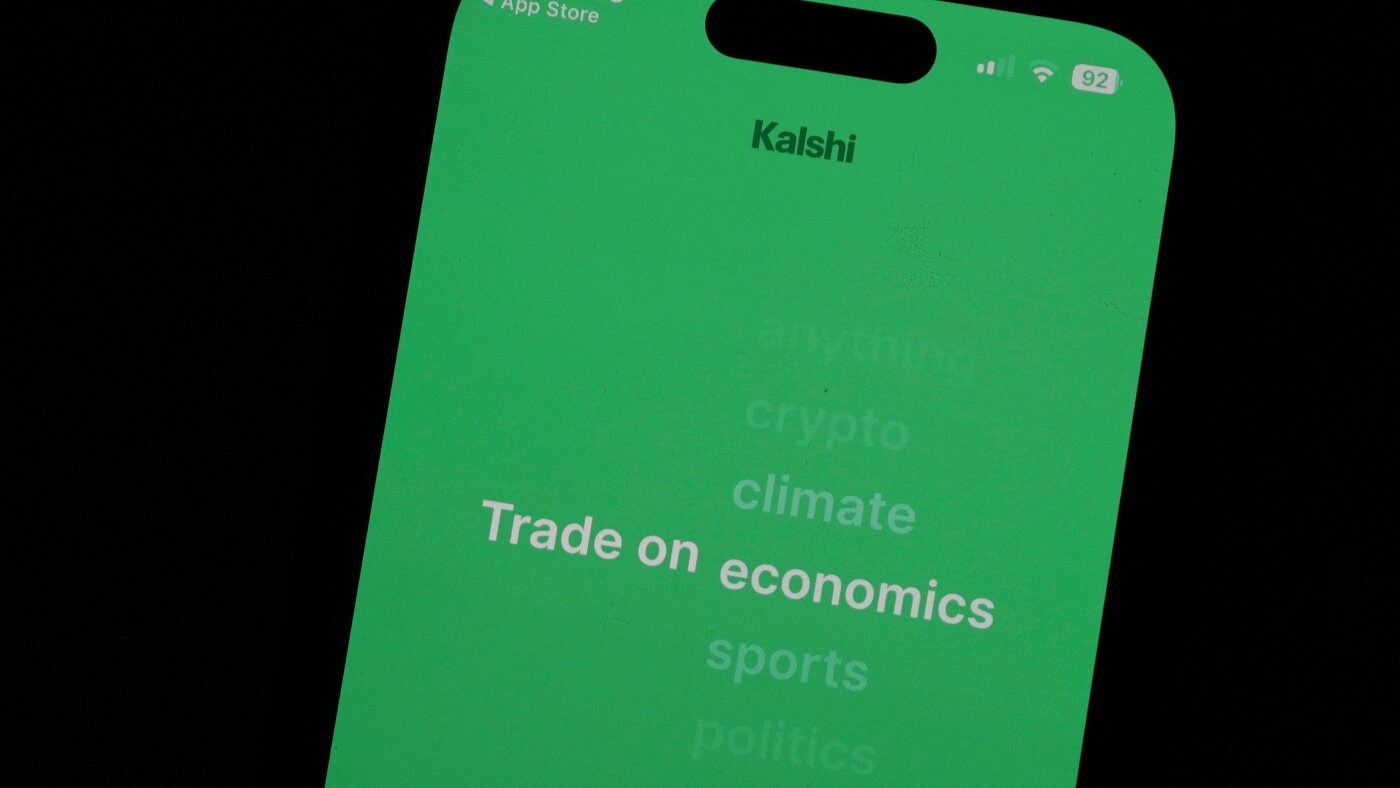
Cover image from npr.org, which was analyzed for this article
Congress is considering a ban on prediction markets despite bipartisan interest. Lawmakers weigh risks and innovation in election and event betting platforms.
PoliticalOS
Tuesday, May 19, 2026 — Politics
The core unresolved issue is whether the House will align with the Senate by barring its members and staff from prediction market trading. Multiple documented cases of non-public information being used for profit have prompted bipartisan proposals, yet no House rule change has occurred. Readers should track whether ethics disclosure requirements are extended to event contracts or whether new legislation imposes criminal penalties.
What outlets missed
Neither outlet examined how prediction markets already operate under CFTC oversight with built-in compliance tools that platforms have used to block suspicious accounts. The articles also omitted any discussion of the markets' documented accuracy in forecasting election outcomes compared with traditional polls. Finally, both pieces left unaddressed the procedural differences between a Senate unanimous consent action and the House requirement for a recorded vote or rule change.
Lawmakers in both parties have identified a clear gap in congressional ethics rules that allows House members and staff to place bets on prediction markets using information unavailable to the public. The Senate already adopted a chamber-wide prohibition, yet the House has taken no equivalent step even as documented cases show government employees profiting from non-public data. A U.S. soldier was charged in April with using classified material to win more than $400,000 on a market tied to the removal of Venezuelan leader Nicolás Maduro, according to court records. A separate May report described a campaign staffer earning thousands by betting on internal polling results before they became public. Rep. Ritchie Torres, D-N.Y., introduced legislation last week to bar campaign staffers from such bets and joined a bipartisan letter urging House leadership to change chamber rules immediately. Rep. Ashley Hinson, R-Iowa, offered a parallel proposal earlier this month. Speaker Mike Johnson told reporters the idea has support but requires further consensus building. Minority Leader Hakeem Jeffries expressed backing for swift action. The Commodity Futures Trading Commission already prohibits insider trading under existing law, yet lawmakers including former regulators argue that election and policy contracts require updated statutory language. House ethics rules currently require disclosure of stock, bond, and cryptocurrency holdings but contain no parallel requirement for event contracts. The House Oversight Committee has begun requesting information from platforms including Kalshi and Polymarket, with Chairman James Comer indicating subpoenas remain possible. No bill has advanced beyond introduction despite more than a dozen proposals this year.
More in Politics

Federal Agents Search Omar Home in Ongoing Immigration Probe
Homeland Security agents searched the Minnesota Democrat's DC residence in a criminal probe, prompting accusations of political intimidation from Omar and Democratic leaders. Coverage spans left-leaning outlets like NPR, BBC, and The Guardian alongside right-leaning criticism from The Federalist and Daily Wire.

Trump Diesel Import Plan Draws Pushback Over Russia Ties
The weekend agreement drew bipartisan congressional pushback and criticism from Ukraine's Zelenskyy, with analysts downplaying US fuel price impacts. Right-leaning outlets like National Review, Dispatch, and Washington Examiner questioned its legality and effectiveness.

Independents Test Voter Appetite for Middle Ground in 2026 Midterms
Nearly 200 independents are running in competitive races as voters weigh ballot measures on housing costs in states like Massachusetts. Left-leaning coverage from NYT, NPR, and Guardian highlights turnout and key races while right outlets focus on GOP strategy.
Trump Rallies in Alaska, Ohio to Bolster GOP Senate Candidates
The president rallied in Wasilla for Sen. Dan Sullivan and faced empty seats at an Ohio event amid midterm concerns. Outlets across the spectrum covered the trips as signals of GOP vulnerability weeks before Election Day.
The Compass
You just read five takes on one story.
What's your take? Find your political shape in a few minutes.
Take the test