
Trump joins Rededicate 250 prayer rally on National Mall
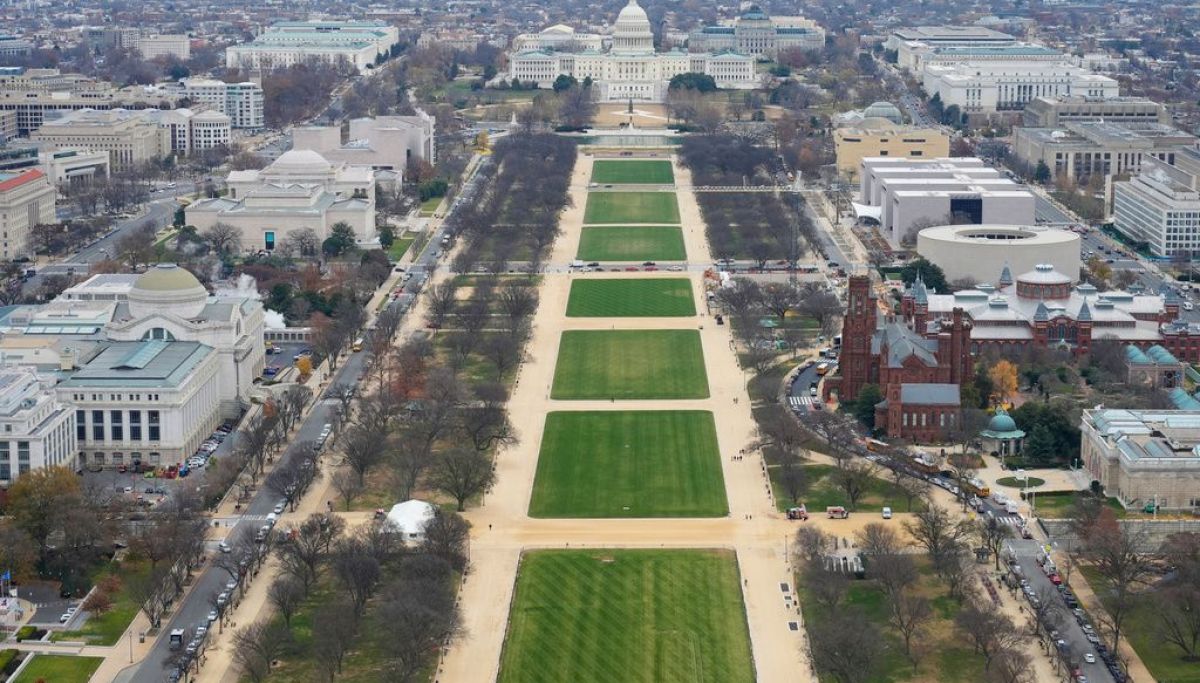
Cover image from washingtonexaminer.com, which was analyzed for this article
The 'Rededicate 250' event featured conservative Christian leaders, cabinet officials, and a Trump video message as part of America's 250th anniversary. Critics on the left decry church-state blurring while right-leaning outlets frame it as a celebration of faith and heritage.
PoliticalOS
Sunday, May 17, 2026 — Politics
The Rededicate 250 rally placed senior Trump officials alongside predominantly evangelical speakers on federal ceremonial ground, reviving long-standing questions about the permissible scope of government involvement in religious expression. Readers should weigh the event’s stated goal of honoring founding-era prayer traditions against the demographic narrowness of its platform and the absence of comparable scale in recent decades.
What outlets missed
Most coverage omitted the precise speaker demographics—fourteen of twenty faith leaders were evangelical Protestants—leaving readers without a clear count of religious representation. Few reports examined the event’s explicit tie to the 1776 Continental Congress “Day of Humiliation, Fasting and Prayer” or compared its nine-hour duration and cabinet-level participation to prior National Day of Prayer observances. Details on the public-private partnership structure and absence of direct federal funding were also largely absent, as were reactions from non-Abrahamic religious communities.
Tens of thousands gathered on the National Mall on May 17, 2026, for a nine-hour prayer and worship event marking the approach of America’s 250th anniversary. The Rededicate 250 program placed senior administration officials and conservative Christian leaders on the same stage as a pre-recorded message from President Trump, prompting immediate debate over whether the gathering blurred the line between official commemoration and religious advocacy.
Organizers described the day through three explicit themes: reflection on divine providence in the nation’s founding, testimonies of personal renewal, and a collective prayer for the next 250 years. Speakers included Defense Secretary Pete Hegseth, Secretary of State Marco Rubio, House Speaker Mike Johnson, evangelist Franklin Graham, Bishop Robert Barron, Rabbi Meir Soloveichik, and roughly twenty faith leaders, fourteen of whom were evangelical Protestants. Trump’s video statement invoked the founders’ practice of prayer before declaring independence and called the nation back to the phrase “One Nation Under God.”
Critics noted that the event’s scale and the predominance of one religious tradition distinguished it from earlier presidential prayer gatherings. Supporters countered that the program simply continued a long pattern of public acknowledgment of religious heritage. No federal funds were reported for the rally itself, though it was coordinated through the White House’s America 250 task force and promoted on government-affiliated channels. The central unresolved question remains how far official participation can extend before it tests constitutional limits on religious establishment.
More in Politics

Federal Agents Search Omar Home in Ongoing Immigration Probe
Homeland Security agents searched the Minnesota Democrat's DC residence in a criminal probe, prompting accusations of political intimidation from Omar and Democratic leaders. Coverage spans left-leaning outlets like NPR, BBC, and The Guardian alongside right-leaning criticism from The Federalist and Daily Wire.

Trump Diesel Import Plan Draws Pushback Over Russia Ties
The weekend agreement drew bipartisan congressional pushback and criticism from Ukraine's Zelenskyy, with analysts downplaying US fuel price impacts. Right-leaning outlets like National Review, Dispatch, and Washington Examiner questioned its legality and effectiveness.

Independents Test Voter Appetite for Middle Ground in 2026 Midterms
Nearly 200 independents are running in competitive races as voters weigh ballot measures on housing costs in states like Massachusetts. Left-leaning coverage from NYT, NPR, and Guardian highlights turnout and key races while right outlets focus on GOP strategy.
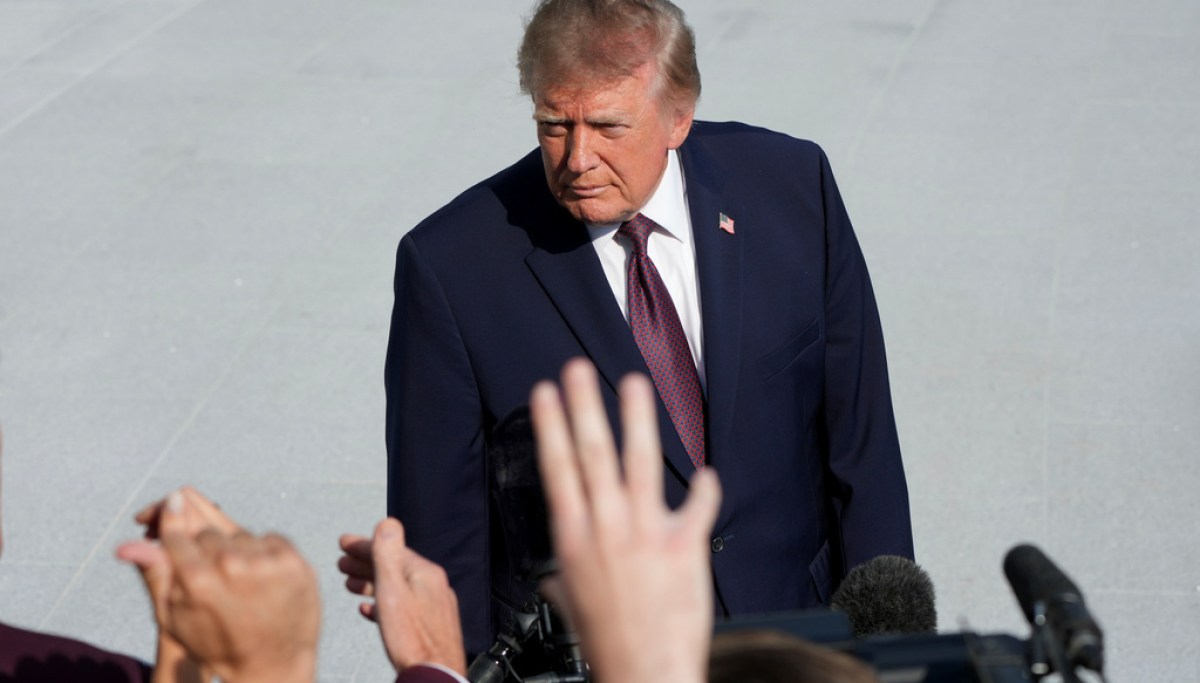
Trump Rallies in Alaska, Ohio to Bolster GOP Senate Candidates
The president rallied in Wasilla for Sen. Dan Sullivan and faced empty seats at an Ohio event amid midterm concerns. Outlets across the spectrum covered the trips as signals of GOP vulnerability weeks before Election Day.
The Compass
You just read five takes on one story.
What's your take? Find your political shape in a few minutes.
Take the test