
Supreme Court Allows Trump to End TPS for Haiti, Syria Migrants
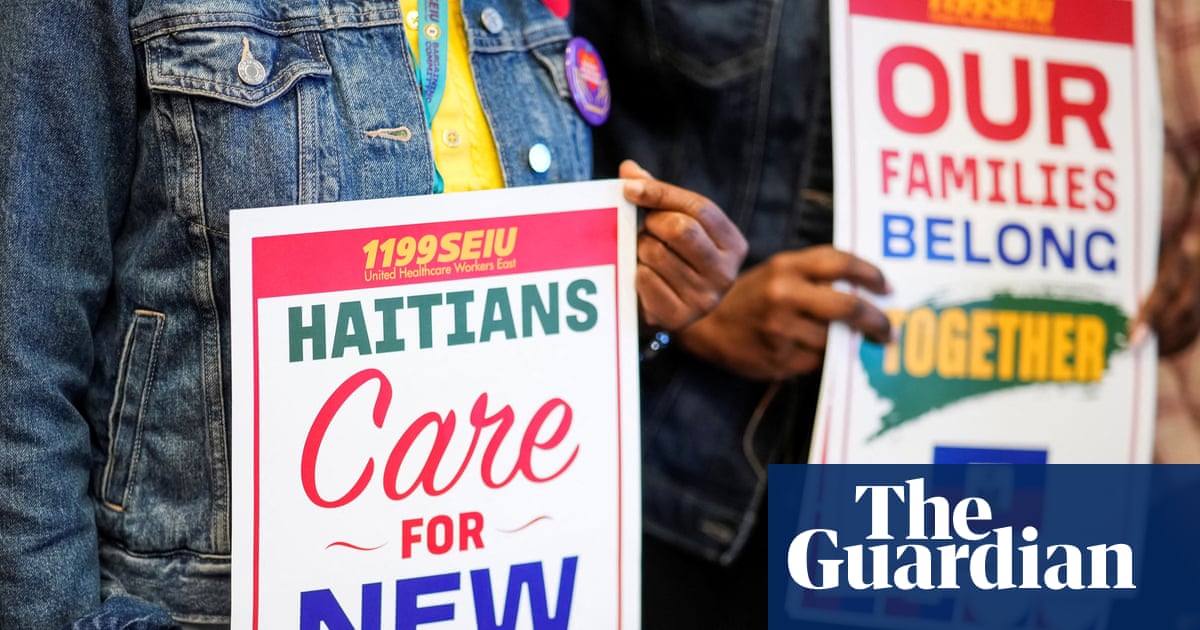
Cover image from theguardian.com, which was analyzed for this article
The Supreme Court ruled 6-3 to allow the Trump administration to revoke Temporary Protected Status for hundreds of thousands from Haiti, Syria and other nations, enabling deportations. Multiple outlets across the spectrum covered the decision and its border policy implications.
PoliticalOS
Friday, June 26, 2026 — Politics
The Supreme Court restored the administration’s ability to end TPS designations by limiting lower-court authority to issue broad injunctions. The 6-3 rulings leave hundreds of thousands of long-term residents subject to removal proceedings unless Congress acts. Dissenters and advocates warn of humanitarian consequences that the majority opinions did not address.
What outlets missed
The 6-3 vote split and the names of the three dissenting justices were omitted from most coverage. No outlet supplied the exact statutory text of the TPS termination authority or the precise holding on class-wide injunctions under 8 U.S.C. § 1252(f)(1). The Federalist alone noted that earlier presidents ended TPS designations without comparable lawsuits, but none placed that pattern against data on total TPS terminations across administrations.
Hundreds of thousands of migrants from Haiti, Syria and other nations now face possible deportation after the Supreme Court ruled 6-3 that the Trump administration may terminate their Temporary Protected Status. The decision restores executive authority to end the humanitarian program that had let recipients live and work legally in the United States for more than a decade.
The Court addressed challenges to the administration’s revocation of TPS designations originally granted after Haiti’s 2010 earthquake and Syria’s 2012 civil war. In Mullin v. Doe, the majority held that federal courts lack jurisdiction to block the terminations on a class-wide basis under the Immigration and Nationality Act. A separate 6-3 ruling in Mullin v. Al Otro Lado clarified that asylum seekers standing on the Mexican side of the border have not yet “arrived” in the United States for purposes of certain statutory protections.
Justice Samuel Alito wrote for the majority in the TPS case. He noted that prior administrations had ended TPS designations more quickly without similar litigation. Justice Clarence Thomas, in a concurrence in the asylum case, emphasized statutory limits on lower-court injunctions and warned that some relief granted below may have exceeded congressional authority. Justices Sonia Sotomayor, Elena Kagan and Ketanji Brown Jackson dissented.
The rulings leave roughly 350,000 Haitians and 4,000 Syrians without the legal protections that had shielded them from removal. Administration officials described TPS as a temporary measure never intended as a path to permanent residency. Democratic lawmakers and immigrant advocates said the decisions would separate families, remove essential workers and expose people to unsafe conditions in their home countries. Congress has not passed legislation to extend the designations.
Lower courts had previously blocked the terminations. The Supreme Court’s action ends those injunctions and signals that challenges to future TPS decisions will face the same jurisdictional barriers.
More in Politics

Federal Agents Search Omar Home in Ongoing Immigration Probe
Homeland Security agents searched the Minnesota Democrat's DC residence in a criminal probe, prompting accusations of political intimidation from Omar and Democratic leaders. Coverage spans left-leaning outlets like NPR, BBC, and The Guardian alongside right-leaning criticism from The Federalist and Daily Wire.

Trump Diesel Import Plan Draws Pushback Over Russia Ties
The weekend agreement drew bipartisan congressional pushback and criticism from Ukraine's Zelenskyy, with analysts downplaying US fuel price impacts. Right-leaning outlets like National Review, Dispatch, and Washington Examiner questioned its legality and effectiveness.

Independents Test Voter Appetite for Middle Ground in 2026 Midterms
Nearly 200 independents are running in competitive races as voters weigh ballot measures on housing costs in states like Massachusetts. Left-leaning coverage from NYT, NPR, and Guardian highlights turnout and key races while right outlets focus on GOP strategy.
Trump Rallies in Alaska, Ohio to Bolster GOP Senate Candidates
The president rallied in Wasilla for Sen. Dan Sullivan and faced empty seats at an Ohio event amid midterm concerns. Outlets across the spectrum covered the trips as signals of GOP vulnerability weeks before Election Day.
The Compass
You just read five takes on one story.
What's your take? Find your political shape in a few minutes.
Take the test