
Senate Passes Budget Resolution to Fund ICE, Border Patrol for Trump's Term
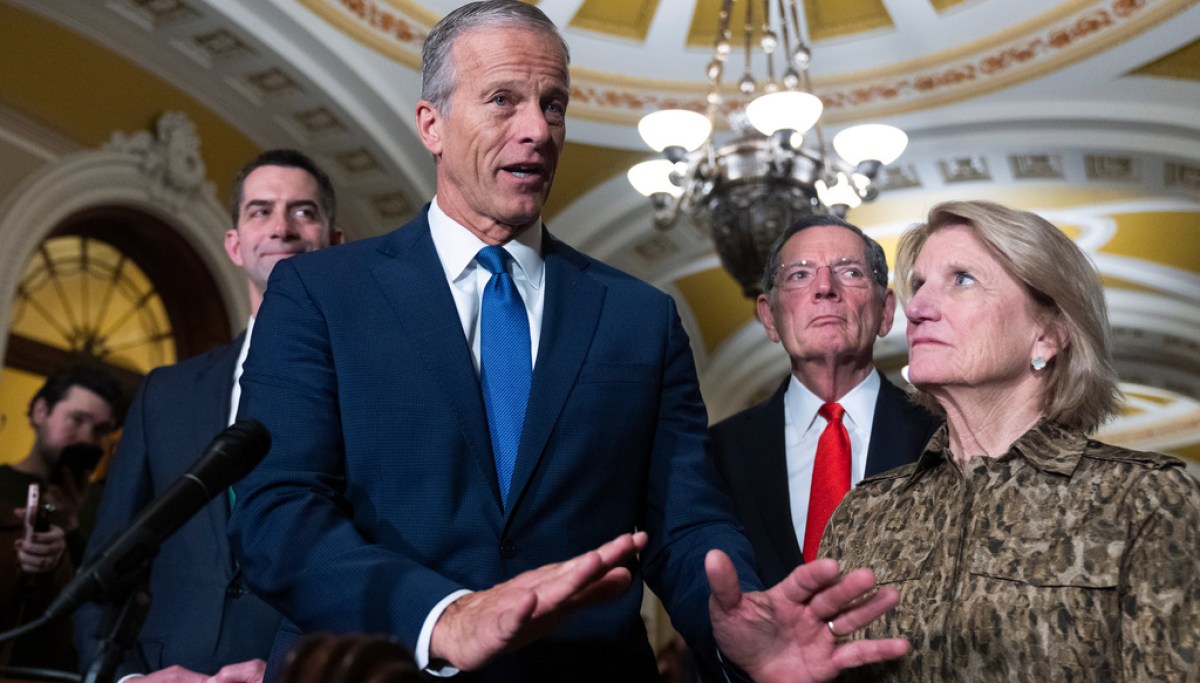
Cover image from washingtonexaminer.com, which was analyzed for this article
The Senate passed a budget resolution after a marathon vote-a-rama, allowing Republicans to fund ICE expansions and Border Patrol without Democratic support via reconciliation. This sets the stage for ongoing immigration enforcement through Trump's term, bypassing opposition attempts. Multiple outlets highlight the partisan maneuver amid spending debates.
PoliticalOS
Thursday, April 23, 2026 — Politics
Senate Republicans have used a budget maneuver to guarantee funding for immigration enforcement agencies through the end of President Trump's term, ending a prolonged partial shutdown of the Department of Homeland Security but deepening partisan rifts. The action came after Democrats refused to support appropriations without new limits on agent conduct following two high-profile deaths during enforcement operations. Readers should understand that reconciliation enables majority rule on spending but carries procedural limits, and the House must still act before any money is actually appropriated.
What outlets missed
Most coverage omitted that the two January deaths occurred during a large-scale Trump administration immigration enforcement operation known as Operation Metro Surge involving thousands of agents. Specifics around each incident, including claims of resistance, vehicle threats or seized weapons, appeared in only a subset of reports and could not be independently verified. Outlets also underplayed internal Republican unease about altering long-term appropriations norms through reconciliation and the fact that last year's tax and spending package had already provided substantial prior funding that sustained partial operations. Few noted the House GOP's explicit sequencing demands or the risk that adding non-germane provisions could trigger Byrd rule challenges. The precise payroll figures and exhaustion timeline cited by DHS officials varied without clear sourcing in several accounts.
The longest partial government shutdown in U.S. history entered its tenth week as Senate Republicans voted early Thursday to advance a budget resolution that would fund Immigration and Customs Enforcement and Customs and Border Protection without Democratic support. The 50-48 passage, which saw Sens. Lisa Murkowski of Alaska and Rand Paul of Kentucky join all Democrats in opposition, launches the reconciliation process. That tool allows the GOP's 53-seat Senate majority to bypass the 60-vote filibuster threshold on budget-related measures, setting up legislation expected to provide roughly $70 billion over three years to keep the agencies operational through the remainder of President Trump's term.
The move resolves one side of a two-track strategy. The Senate has already passed a bipartisan bill funding the rest of the Department of Homeland Security, including TSA, FEMA and the Coast Guard. House Republicans have held that measure, insisting ICE and Border Patrol must be addressed first. Committees now have until mid-May to draft the actual funding bill, with Trump setting a June 1 target for final passage. A second, more consequential vote-a-rama will occur on the finished package.
Democrats had blocked full DHS appropriations since mid-February. They conditioned support on new operational constraints following the January deaths of two U.S. citizens, Renee Good and Alex Pretti, during federal immigration enforcement actions in Minneapolis. Those constraints included requirements for judicial warrants before entering private property, body cameras, identification for agents and limits on operations near schools or hospitals. Republicans called the demands unacceptable and said Democrats were effectively trying to defund enforcement at a time of heightened border activity. Both parties used the overnight vote-a-rama to force politically uncomfortable votes. Democrats offered amendments on lowering health care costs, grocery prices, housing and prescription drug access; most failed along party lines though several drew Republican defections from senators facing competitive races. Republicans countered with measures underscoring deportation priorities. One amendment targeting convicted criminal immigrants passed unanimously.
Senate Majority Leader John Thune said the process ensures "America’s borders are secure" and prevents Democrats from defunding key agencies. Minority Leader Chuck Schumer countered that Republicans were choosing to fund "unchecked rogue agencies" over relief for families struggling with living costs. Internal GOP tensions surfaced too. Sen. John Kennedy warned this could be the last reconciliation vehicle before midterms and urged adding voter eligibility measures or affordability provisions. Some House Republicans expressed similar concerns about narrow focus, while Sen. Katie Britt noted disappointment that the maneuver could reshape future appropriations norms.
Reconciliation carries strict limits under the Byrd rule. Provisions without direct budgetary impact can be stripped. The parliamentarian will review the final package. Prior GOP legislation last year had already directed tens of billions toward these agencies, allowing partial operations during the shutdown; Trump also issued executive orders to cover some salaries, but those funds were projected to run out in early May. The House must still adopt the resolution before committees can finalize details. Disagreements there could force further negotiations or amendments. Details on the exact shootings that triggered the impasse, including circumstances captured on video or prior interactions, were not uniformly reported and could not be independently verified across sources.
More in Politics

Federal Agents Search Omar Home in Ongoing Immigration Probe
Homeland Security agents searched the Minnesota Democrat's DC residence in a criminal probe, prompting accusations of political intimidation from Omar and Democratic leaders. Coverage spans left-leaning outlets like NPR, BBC, and The Guardian alongside right-leaning criticism from The Federalist and Daily Wire.

Trump Diesel Import Plan Draws Pushback Over Russia Ties
The weekend agreement drew bipartisan congressional pushback and criticism from Ukraine's Zelenskyy, with analysts downplaying US fuel price impacts. Right-leaning outlets like National Review, Dispatch, and Washington Examiner questioned its legality and effectiveness.

Independents Test Voter Appetite for Middle Ground in 2026 Midterms
Nearly 200 independents are running in competitive races as voters weigh ballot measures on housing costs in states like Massachusetts. Left-leaning coverage from NYT, NPR, and Guardian highlights turnout and key races while right outlets focus on GOP strategy.
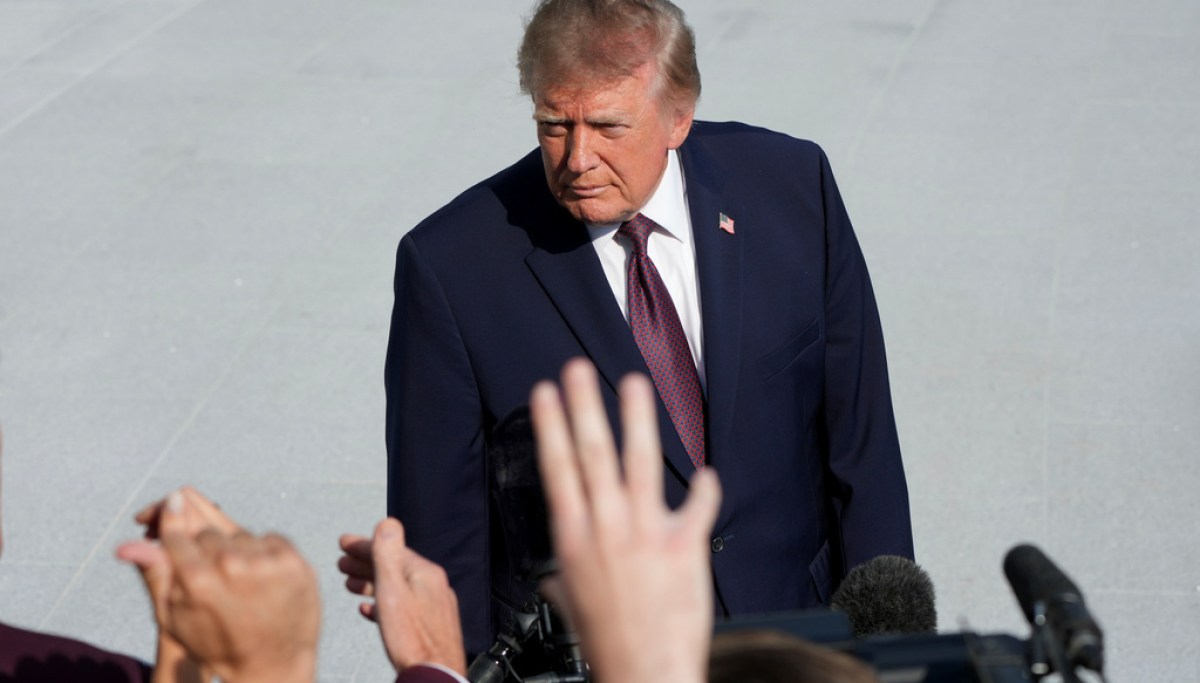
Trump Rallies in Alaska, Ohio to Bolster GOP Senate Candidates
The president rallied in Wasilla for Sen. Dan Sullivan and faced empty seats at an Ohio event amid midterm concerns. Outlets across the spectrum covered the trips as signals of GOP vulnerability weeks before Election Day.
The Compass
You just read five takes on one story.
What's your take? Find your political shape in a few minutes.
Take the test