
Senate passes Iran war powers measure 50-48 in narrow vote

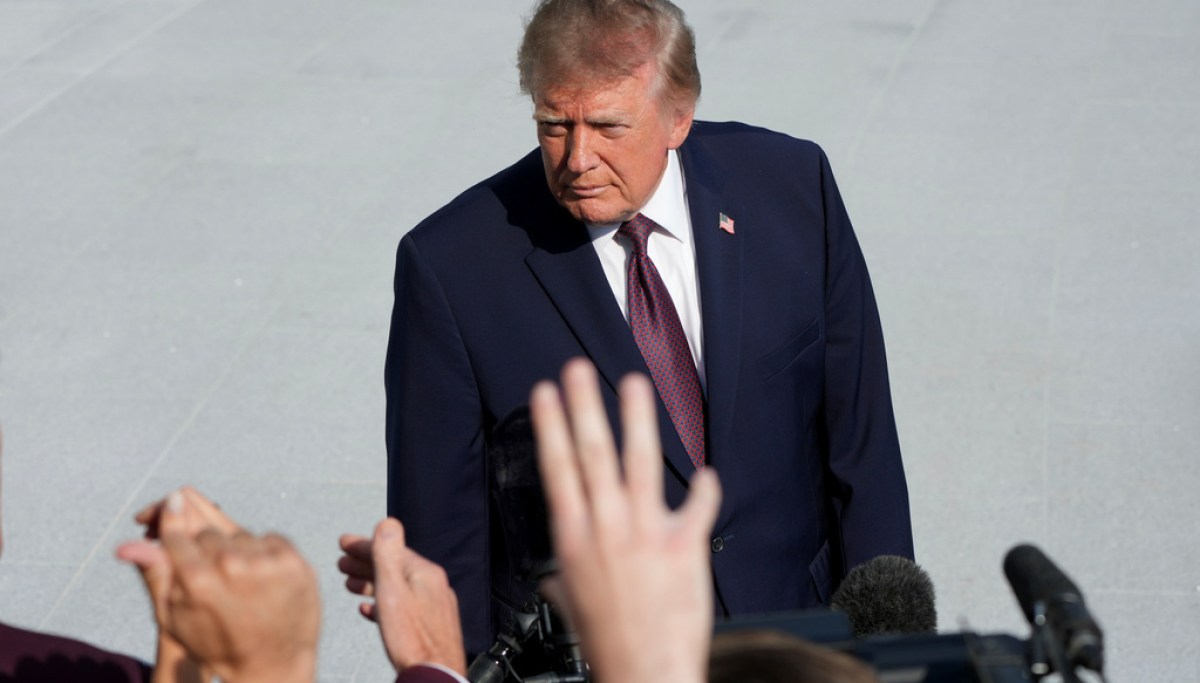
Cover image from independent.co.uk, which was analyzed for this article
The Senate approved a measure to limit or pause US military action against Iran in a rare bipartisan rebuke. Left outlets frame it as institutional pushback while right outlets criticize it as aiding adversaries during negotiations.
PoliticalOS
Wednesday, June 24, 2026 — Politics
The Senate’s narrow action highlights an enduring constitutional friction between Congress and the executive over military engagements whose factual premises remain unverified outside the reporting itself. Its practical effect hinges on court rulings that have historically limited Congress’s chosen vehicle.
What outlets missed
Most coverage omitted that the entire military timeline—strikes beginning Feb. 28 and a ceasefire in early April—remains unverified by official Defense Department records or contemporaneous reporting available outside the supplied articles. Several pieces failed to note the 1983 Supreme Court precedent that directly undercuts the concurrent-resolution mechanism used here. Few placed the four Republican defections in the context of the Senate’s slim majority and upcoming midterms, where individual senators face primary and general-election pressures on foreign policy spending.
Congress moved to reassert its role in decisions of war when the Senate approved a resolution directing President Trump to end U.S. military action against Iran unless lawmakers grant explicit authorization. The 50-48 vote, which followed House passage earlier in the month, marked the first time both chambers had cleared such a measure under the 1973 War Powers Act.
Four Republicans joined Democrats: Susan Collins of Maine, Rand Paul of Kentucky, Bill Cassidy of Louisiana and Lisa Murkowski of Alaska. One Democrat, John Fetterman of Pennsylvania, opposed it. Two Republicans, Mitch McConnell and David McCormick, did not vote. The narrow margin reflected limited but visible erosion of unified Republican support for the campaign that began with U.S. and Israeli strikes on Feb. 28 and produced a ceasefire announced in early April.
Trump called the timing poor and the measure meaningless on Truth Social, saying it aided Iran while talks continued. The White House maintained that hostilities had already ended under the ceasefire and that the resolution carried no legal force because concurrent resolutions do not require presidential signature and face constitutional questions after the 1983 Supreme Court ruling in INS v. Chadha. Supporters, including Sen. Tim Kaine and Rep. Gregory Meeks, argued the vote reinforced Congress’s constitutional authority and sent a political signal even if enforcement remained uncertain.
The underlying military conflict and its reported costs, including estimates reaching $40 billion from one think tank, could not be independently verified across multiple outlets. Negotiations over nuclear inspections and access to the Strait of Hormuz were described as ongoing, yet details of Iranian positions and any interim agreements also lacked corroboration from primary records. Legal experts noted that any attempt to enforce the resolution would likely reach the courts, leaving its practical effect unresolved.
More in Politics

Federal Agents Search Omar Home in Ongoing Immigration Probe
Homeland Security agents searched the Minnesota Democrat's DC residence in a criminal probe, prompting accusations of political intimidation from Omar and Democratic leaders. Coverage spans left-leaning outlets like NPR, BBC, and The Guardian alongside right-leaning criticism from The Federalist and Daily Wire.

Trump Diesel Import Plan Draws Pushback Over Russia Ties
The weekend agreement drew bipartisan congressional pushback and criticism from Ukraine's Zelenskyy, with analysts downplaying US fuel price impacts. Right-leaning outlets like National Review, Dispatch, and Washington Examiner questioned its legality and effectiveness.

Independents Test Voter Appetite for Middle Ground in 2026 Midterms
Nearly 200 independents are running in competitive races as voters weigh ballot measures on housing costs in states like Massachusetts. Left-leaning coverage from NYT, NPR, and Guardian highlights turnout and key races while right outlets focus on GOP strategy.
Trump Rallies in Alaska, Ohio to Bolster GOP Senate Candidates
The president rallied in Wasilla for Sen. Dan Sullivan and faced empty seats at an Ohio event amid midterm concerns. Outlets across the spectrum covered the trips as signals of GOP vulnerability weeks before Election Day.
The Compass
You just read five takes on one story.
What's your take? Find your political shape in a few minutes.
Take the test