
Senate Parliamentarian Blocks $1B Ballroom Security Funds from Reconciliation Bill
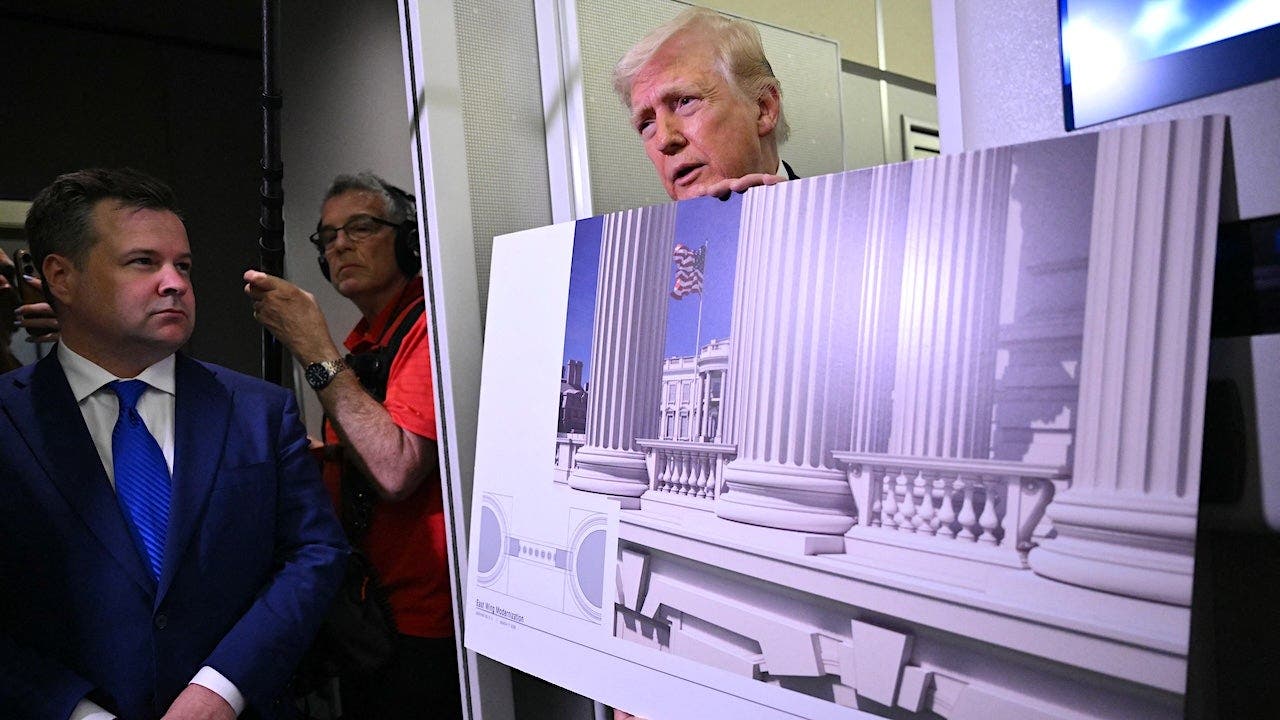
Cover image from foxnews.com, which was analyzed for this article
A Republican proposal for $1 billion in reconciliation funding was ruled out of order, forcing adjustments or a higher vote threshold. The procedural setback drew commentary from across the political spectrum.
PoliticalOS
Sunday, May 17, 2026 — Politics
The parliamentarian’s ruling is a procedural setback that can still be addressed through bill revisions or a vote override. The $1 billion request covers Secret Service security measures separate from the privately funded ballroom, yet political disagreement over the project’s optics remains the central unresolved tension.
What outlets missed
The specific breakdown of the $1 billion into line items such as $220 million for hardening and $180 million for screening was detailed in internal memos but received uneven attention. The non-binding nature of the parliamentarian’s ruling and the option for a simple-majority override were mentioned only sporadically. Construction on the East Wing demolition and related underground facilities has already proceeded under a prior appeals court order, a timeline fact that clarifies the project’s current status beyond funding debates.
A Senate parliamentarian ruling has placed $1 billion in proposed security funding for the White House complex in jeopardy, complicating Republican plans to attach the money to a larger spending package. The decision affects upgrades tied to President Trump’s privately financed ballroom project and other infrastructure changes.
Senate Parliamentarian Elizabeth MacDonough determined that the provision, as drafted, violates budget reconciliation rules because it spans multiple committee jurisdictions. Republicans control the chamber 53-47 and had hoped to pass the roughly $72 billion package, which centers on immigration enforcement, with a simple majority. The ruling forces either a rewrite or a 60-vote threshold that Democrats are unlikely to help meet.
Trump has stated the $400 million ballroom itself will come from private donors, with completion expected near September 2028. Republicans argue the separate $1 billion request covers Secret Service needs, including $220 million for complex hardening, $180 million for a visitor screening facility, and additional training and protection measures. They cite recent security incidents, including an April attempt to breach a Washington event attended by the president.
Democrats have called the project an unnecessary expense amid higher living costs. Some Republicans have also asked for more details on how the $1 billion figure was calculated. The parliamentarian’s opinion is advisory; the Senate can still revise the language or seek to override it, though such overrides are rare.
More in Politics

Federal Agents Search Omar Home in Ongoing Immigration Probe
Homeland Security agents searched the Minnesota Democrat's DC residence in a criminal probe, prompting accusations of political intimidation from Omar and Democratic leaders. Coverage spans left-leaning outlets like NPR, BBC, and The Guardian alongside right-leaning criticism from The Federalist and Daily Wire.

Trump Diesel Import Plan Draws Pushback Over Russia Ties
The weekend agreement drew bipartisan congressional pushback and criticism from Ukraine's Zelenskyy, with analysts downplaying US fuel price impacts. Right-leaning outlets like National Review, Dispatch, and Washington Examiner questioned its legality and effectiveness.

Independents Test Voter Appetite for Middle Ground in 2026 Midterms
Nearly 200 independents are running in competitive races as voters weigh ballot measures on housing costs in states like Massachusetts. Left-leaning coverage from NYT, NPR, and Guardian highlights turnout and key races while right outlets focus on GOP strategy.

Trump Rallies in Alaska, Ohio to Bolster GOP Senate Candidates
The president rallied in Wasilla for Sen. Dan Sullivan and faced empty seats at an Ohio event amid midterm concerns. Outlets across the spectrum covered the trips as signals of GOP vulnerability weeks before Election Day.
The Compass
You just read five takes on one story.
What's your take? Find your political shape in a few minutes.
Take the test