
Rhetoric Blame Game Ignites After Armed Breach at Correspondents' Dinner
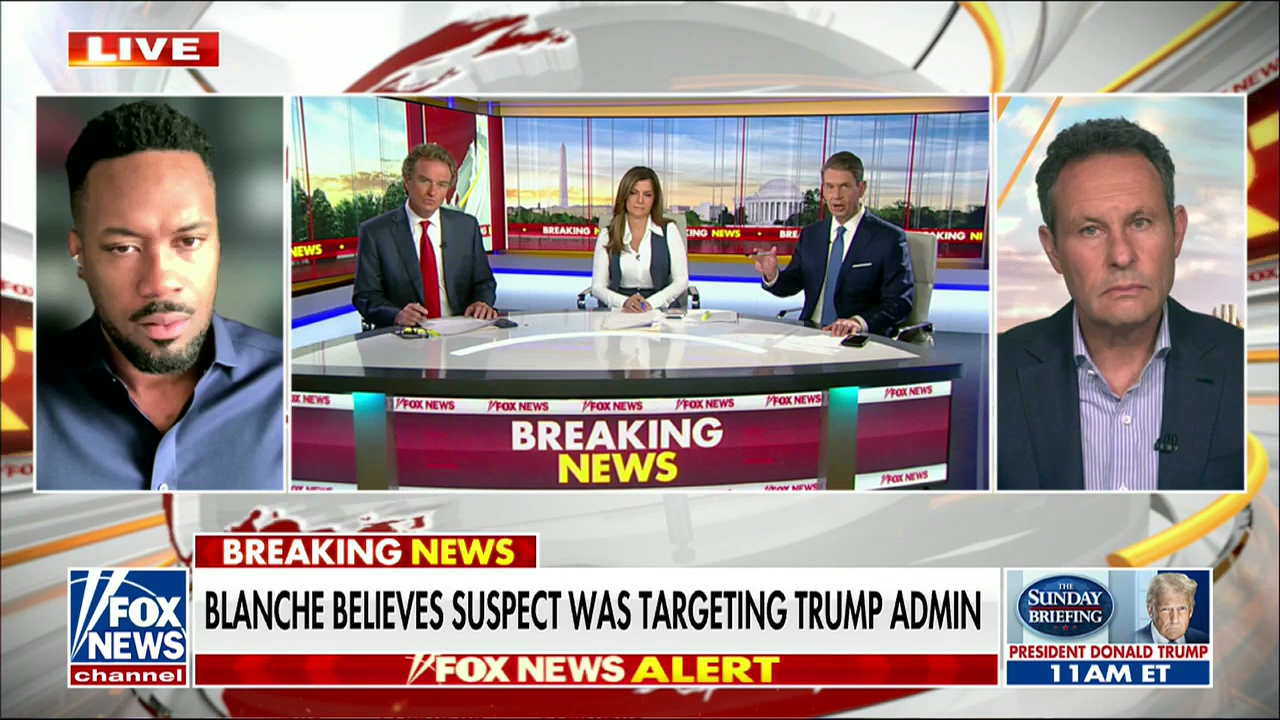
Cover image from crooksandliars.com, which was analyzed for this article
Left-leaning sources slam Fox for blaming media in WHCD shooting coverage; Republicans counter by accusing Democrats of dangerous hate speech. Trump highlights risks amid calls for unity. Rhetoric wars escalate post-incident.
PoliticalOS
Monday, April 27, 2026 — Politics
The armed breach at the Correspondents' Dinner was a real security failure targeting Trump administration figures, yet it immediately became fuel for mutual accusations of dangerous speech rather than a shared examination of security and rhetoric. No outlet established that any single statement caused the attack, but both sides have archives of inflammatory language that each ignores in its own case. Readers should treat partisan claims about motive and blame as starting points for scrutiny, not settled conclusions, especially when key details like the suspect's writings appear in some reporting but not all.
What outlets missed
Multiple outlets underplayed the suspect's cross-aisle background, including his registration as a Republican paired with a donation to Kamala Harris's campaign, details reported by Fox and the LA Times but absent from partisan summaries on both sides. Coverage also gave short shrift to immediate "false flag" and "staged" conspiracy claims that flooded left-leaning platforms like Bluesky right after the breach, which Fox rebutted but others like Politico and Crooks and Liars largely ignored. The precise carve-out in the disputed DHS funding bill, exempting immigration enforcement while funding other operations, received minimal explanation despite Republicans tying it directly to Secret Service strain. Eyewitness context from Fox hosts actually inside the packed ballroom, describing the physical chaos and near-bloodbath risk, was minimized outside conservative coverage.
An armed man rushing a security checkpoint at an event celebrating press freedom has left the country raw. One more narrow escape for President Trump. Another cycle of accusations that words are turning into bullets. The clash exposes a central tension: in a polarized nation, does heated rhetoric from politicians and media bear responsibility for political violence, or does assigning blame only deepen the divide?
The breach unfolded Saturday evening, April 25, 2026, at the Washington Hilton during the White House Correspondents' Dinner. According to law enforcement accounts cited by the New York Times, NBC and BBC, suspect Cole Tomas Allen sprinted past barriers armed with a shotgun, handgun and knives. Secret Service agents tackled him after an exchange of gunfire. One agent suffered minor injuries when rounds struck his protective vest and was later released from hospital. Trump and Vice President Vance were unharmed. The dinner, which drew roughly 2,000 attendees including journalists, officials and celebrities, was abruptly halted. Trump reportedly urged that the program continue, but security concerns prevailed.
Allen, identified in reports from Fox News and the Los Angeles Times as a registered Republican from California, sent writings to family members minutes before the attempt. Those messages, referenced across multiple outlets including Politico and the New York Times, criticized Trump administration policies and described a self-appointed duty to target officials. He reportedly called himself a "Friendly Federal Assassin" in the notes. Some coverage, including Fox, noted a $25 donation Allen made to Kamala Harris's 2024 campaign; this detail was not corroborated by every outlet and remains unverified in others. No fatalities occurred. Acting Attorney General Todd Blanche told NBC's "Meet the Press" the suspect appeared to target administration figures.
The incident, described by some as the third attempt on Trump's life after two in 2024, triggered immediate partisan recriminations. Fox News hosts, several of whom attended the event, used their Sunday programs to argue that media figures and Democrats had inflamed tensions through extreme language. They pointed to commentator Hasan Piker, who has advocated aggressive rhetoric on social issues, and noted sparse specific condemnations of anti-Trump sentiment. One congresswoman, Marie Gluesenkamp Perez, posted "Please stop trying to murder the president," a statement Fox highlighted as rare. Lawrence Jones, a Fox host present that night, questioned whether Monday morning coverage would inflame divisions further or promote restraint.
Republicans moved quickly to tie the event to Democratic rhetoric. The NRSC and RNC social media accounts singled out battleground candidates. They cited Michigan Democrat Abdul El-Sayed's 2025 rally comment urging supporters to "take them to the ground and choke them out" when opponents "go low." In Maine, they referenced since-deleted 2018 Reddit posts by Graham Platner that they said endorsed violence with guns for social change; Platner has disavowed the content. North Carolina's Roy Cooper faced criticism for previously labeling Trump a threat to democracy without immediately denouncing the breach. GOP figures including former Rep. Mike Rogers argued Democrats were inspiring violence while blocking full DHS funding. Senate Minority Leader statements and spokespeople framed it as part of a pattern following the 2025 killing of Charlie Kirk and prior attempts on Trump.
Democrats condemned political violence outright. House Minority Leader Hakeem Jeffries stated on Fox News Sunday that "we can have strong disagreements" but "violence is never the answer." They rejected blame as politicization, pointing instead to January 6, 2021, and arguing Republicans had normalized threats through their own language and actions. Democratic strategists Jesse Ferguson and Mark Longabaugh invoked the Capitol attack in responses. Spokespeople for the Democratic campaign arm called for Republicans to support a Senate-passed bill funding most of DHS while carving out immigration enforcement, which they said would bolster security. Michigan candidate El-Sayed responded that it "strains credulity" to link his words to the shooting over "what the MAGA movement has done."
The rhetoric debate overshadowed unresolved questions about Allen's full motivations. Early social media on Bluesky, per WIRED reporting referenced in coverage, saw immediate claims the event was staged or a false flag. Fox segments explicitly rebutted those theories. PBS NewsHour noted the Justice Department citing the incident in a separate Trump-related lawsuit. No outlet established a direct causal link between any specific statement and the breach. Investigations continue.
What began as a celebration of the First Amendment ended in evacuation, recrimination and fresh doubt. Security worked. The suspect never reached the ballroom. Yet the speed with which both sides reached for familiar scripts suggests the deeper breach may be harder to close.
More in Politics

Federal Agents Search Omar Home in Ongoing Immigration Probe
Homeland Security agents searched the Minnesota Democrat's DC residence in a criminal probe, prompting accusations of political intimidation from Omar and Democratic leaders. Coverage spans left-leaning outlets like NPR, BBC, and The Guardian alongside right-leaning criticism from The Federalist and Daily Wire.

Trump Diesel Import Plan Draws Pushback Over Russia Ties
The weekend agreement drew bipartisan congressional pushback and criticism from Ukraine's Zelenskyy, with analysts downplaying US fuel price impacts. Right-leaning outlets like National Review, Dispatch, and Washington Examiner questioned its legality and effectiveness.

Independents Test Voter Appetite for Middle Ground in 2026 Midterms
Nearly 200 independents are running in competitive races as voters weigh ballot measures on housing costs in states like Massachusetts. Left-leaning coverage from NYT, NPR, and Guardian highlights turnout and key races while right outlets focus on GOP strategy.
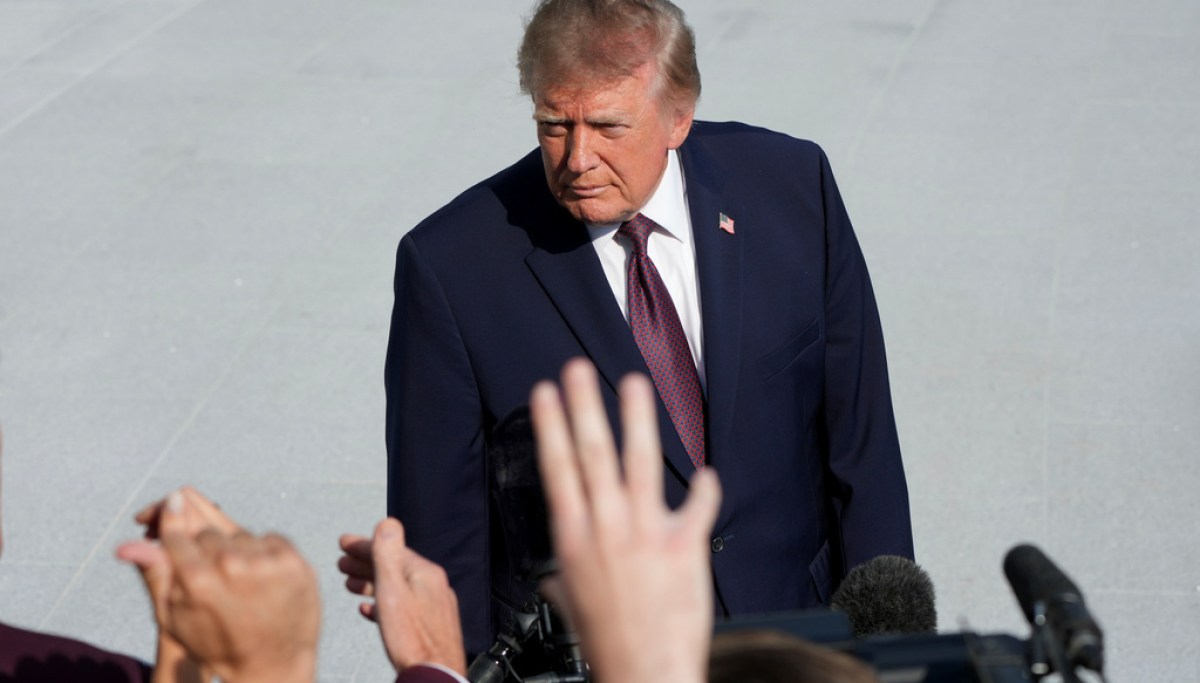
Trump Rallies in Alaska, Ohio to Bolster GOP Senate Candidates
The president rallied in Wasilla for Sen. Dan Sullivan and faced empty seats at an Ohio event amid midterm concerns. Outlets across the spectrum covered the trips as signals of GOP vulnerability weeks before Election Day.
The Compass
You just read five takes on one story.
What's your take? Find your political shape in a few minutes.
Take the test