
Starship V3 Test Ends in Planned Splashdown After Engine Losses
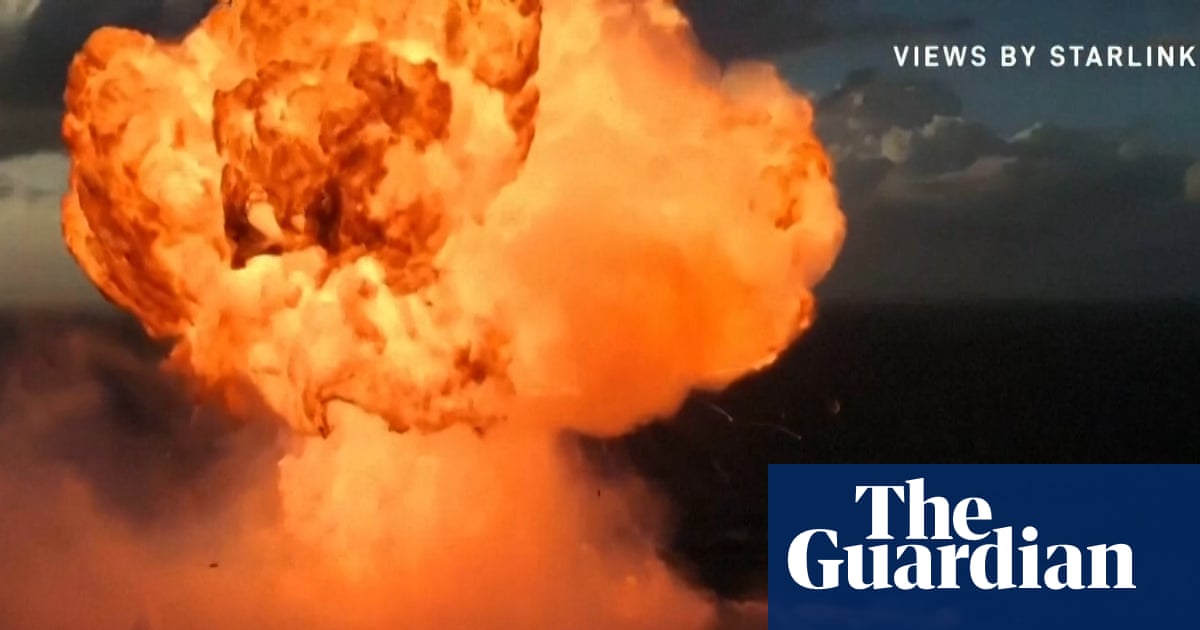
Cover image from theguardian.com, which was analyzed for this article
The upgraded Starship completed its latest test flight with a notable landing attempt. Coverage notes technical milestones alongside company plans for future operations.
PoliticalOS
Saturday, May 23, 2026 — Tech
The first Starship V3 flight demonstrated that the upgraded vehicle can reach its target trajectory and perform key maneuvers even after engine failures. The test leaves open how quickly SpaceX can translate these results into routine booster recovery and crewed lunar landings. Readers should track whether subsequent flights close the remaining performance gaps before the planned IPO.
What outlets missed
Neither account examined how the partial boostback burn data will alter booster recovery timelines for upcoming flights. The presence of modified Starlink satellites that photographed the Ship in space received little follow-up on what new telemetry those images provided. Coverage also omitted any discussion of how the Gulf of Mexico name change, enacted by executive order in 2025, appears in official SpaceX statements. The timing of the IPO filing relative to this flight’s results was noted only in passing.
SpaceX Starship Test Flight Ends in Flames Despite Partial Progress
SpaceX launched its largest and most powerful Starship prototype yet from southern Texas on Friday evening, sending the vehicle on a test flight that carried 20 mock Starlink satellites before it ultimately erupted into flames upon reaching the Indian Ocean. The upgraded spacecraft, designed with input from NASA for future lunar missions, lifted off at 6:30 p.m. Eastern time after a scrubbed attempt the previous day caused by a hydraulic issue on the launch tower.
The flight demonstrated some technical advances with the new Raptor 3 engines on the Super Heavy booster, all 33 of which ignited at liftoff. Yet one engine shut down during ascent, forcing adjustments that still allowed the vehicle to reach stage separation. The booster executed a directional flip maneuver intended for future recoveries, but it could not complete a full boostback burn. Instead it fell short and crashed into the Gulf of Mexico. The upper stage continued across the globe, releasing its satellite payloads midway before descending toward its planned ocean impact zone.
SpaceX described the fiery conclusion as expected, noting that the test objectives centered on gathering data rather than achieving a controlled landing. Company statements emphasized that most goals were met, including the long-duration flight path that stretched halfway around the world. Independent observers, however, pointed to repeated engine anomalies and incomplete recovery sequences as reminders of the steep challenges still facing the program.
The test comes as NASA continues to rely on Starship for its Artemis lunar landing plans, a role that has drawn scrutiny over cost overruns and shifting timelines. SpaceX has positioned the vehicle as essential to both government contracts and its own ambitions for Mars travel, yet each flight has featured incremental fixes amid visible setbacks. Friday's launch followed earlier prototypes that either exploded or failed to return intact, underscoring a pattern of high-risk trials funded in part by public dollars.
Environmental concerns also surfaced around the scale of the launch. Starbase operations in Texas have already prompted complaints from nearby residents about noise, vibrations and debris. With larger vehicles and more frequent attempts planned, critics argue that regulatory oversight has not kept pace with the company's expansion.
SpaceX maintains that rapid iteration remains the fastest route to reliable heavy-lift capability. The company plans additional flights in coming months, each intended to refine booster catch systems and upper-stage performance. Whether those steps close the gap between test objectives and routine operations will determine if the current generation of Starship can deliver on its expansive promises.
You just read Progressive's take. Want to read what actually happened?
More in Technology
Trump Pushes Community Dividends to Ease Data Center Backlash
Trump suggested tech companies pay local communities a 'dividend' to gain support for massive AI data centers amid growing backlash over energy use and infrastructure.
Musk Pledges One SpaceX Share to Every U.S. Child
Musk announced plans to distribute one SpaceX share to each of roughly 73 million American children next year, drawing praise from Trump and signaling closer alignment between the two.

Trump Administration Bans DeepSeek AI From Federal Civilian Agencies
Tech stocks rebounded on AI optimism while hyperscalers and firms navigate data center infrastructure, earnings focus, and regulatory scrutiny including bans on certain Chinese AI tools.

Musk Says He Will Give One SpaceX Share to Every US Child
Elon Musk announced plans to distribute one SpaceX share to every American child in 2027, with hints of further giveaways. The pledge drew coverage across outlets amid broader discussions of AI philanthropy and Musk entities.
The Compass
You just read five takes on one story.
What's your take? Find your political shape in a few minutes.
Take the test