
Starmer Resigns as UK Prime Minister, Sets September Exit
Cover image from time.com, which was analyzed for this article
British Prime Minister Keir Starmer announced his resignation after two years marked by controversy, setting a timetable for departure amid party leadership speculation.
PoliticalOS
Monday, June 22, 2026 — Politics
Starmer lost the confidence of his parliamentary party after sustained poor polling and ministerial exits, prompting an internal leadership contest that will conclude by September. The transition occurs without an automatic general election, leaving the next prime minister to decide whether to seek a fresh mandate.
What outlets missed
Most outlets omitted detailed market data showing only a modest 0.19 percent drop in the pound and flat gilt yields. Few examined the constitutional precedent that allows a new prime minister to govern until 2029 without calling an election. Coverage rarely addressed the specific defense funding dispute that triggered the final wave of ministerial resignations or the exact annual cost figures attached to the Chagos Islands agreement.
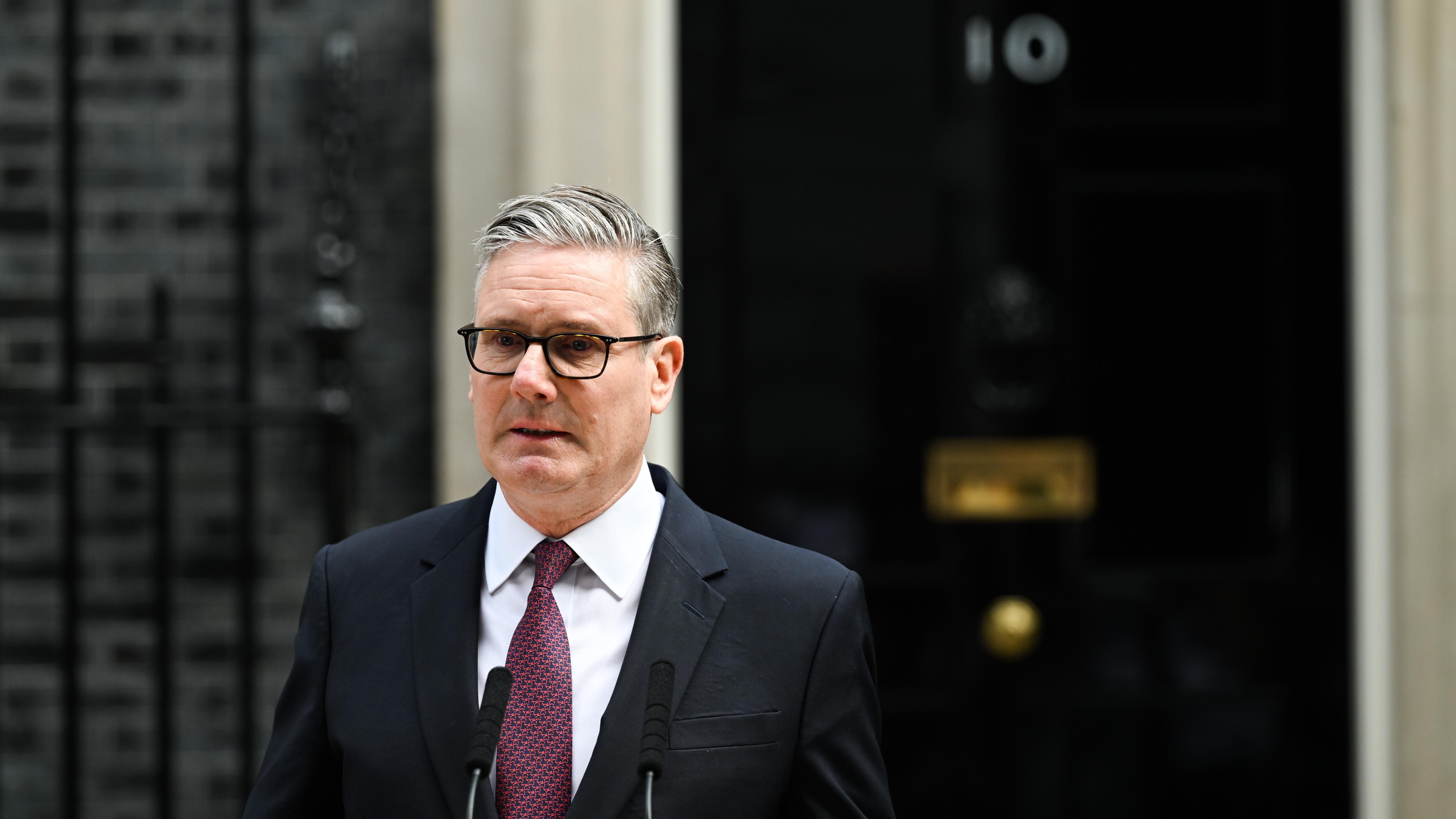
British Prime Minister Keir Starmer announced his resignation as Labour leader on June 22, 2026, ending a premiership that began with a large parliamentary majority less than two years earlier. The decision followed weeks of internal party pressure after Labour lost more than 1,200 council seats in May local elections, control of the Welsh Parliament, and record-low results in Scotland. Starmer told reporters outside 10 Downing Street that he had asked colleagues whether he remained the best person to lead the party into the next general election and had accepted their verdict.
He confirmed he had informed King Charles of the decision that morning and would remain in office until a successor is chosen. Nominations for the leadership contest open July 9, with the process scheduled to conclude before Parliament returns in September. Starmer pledged an orderly handover and said he would give his successor full support, noting that the new leader would inherit a country he described as stronger than the one he took over.
Former Greater Manchester mayor Andy Burnham, who won a by-election in Makerfield on June 18, immediately confirmed he would stand. Former health secretary Wes Streeting endorsed Burnham the same day. Other names mentioned as possible contenders include Ed Miliband and Angela Rayner. Nigel Farage, leader of Reform UK, called for an immediate general election rather than an internal replacement.
The resignation follows the departure of at least seven ministers in recent weeks, including Defence Secretary John Healey and Armed Forces Minister Al Carns, who cited insufficient funding for defense needs. Starmer’s government had also faced criticism over welfare policy reversals, the appointment and later dismissal of Peter Mandelson as U.S. ambassador, and public dissatisfaction with immigration and NHS performance. Markets reacted modestly: the pound fell 0.19 percent against the dollar on the day of the announcement while 10-year gilt yields remained flat.
Under the British system, the governing party selects its leader without requiring a general election. Starmer’s successor will become the country’s seventh prime minister in ten years.
More in Politics

Federal Agents Search Omar Home in Ongoing Immigration Probe
Homeland Security agents searched the Minnesota Democrat's DC residence in a criminal probe, prompting accusations of political intimidation from Omar and Democratic leaders. Coverage spans left-leaning outlets like NPR, BBC, and The Guardian alongside right-leaning criticism from The Federalist and Daily Wire.

Trump Diesel Import Plan Draws Pushback Over Russia Ties
The weekend agreement drew bipartisan congressional pushback and criticism from Ukraine's Zelenskyy, with analysts downplaying US fuel price impacts. Right-leaning outlets like National Review, Dispatch, and Washington Examiner questioned its legality and effectiveness.

Independents Test Voter Appetite for Middle Ground in 2026 Midterms
Nearly 200 independents are running in competitive races as voters weigh ballot measures on housing costs in states like Massachusetts. Left-leaning coverage from NYT, NPR, and Guardian highlights turnout and key races while right outlets focus on GOP strategy.
Trump Rallies in Alaska, Ohio to Bolster GOP Senate Candidates
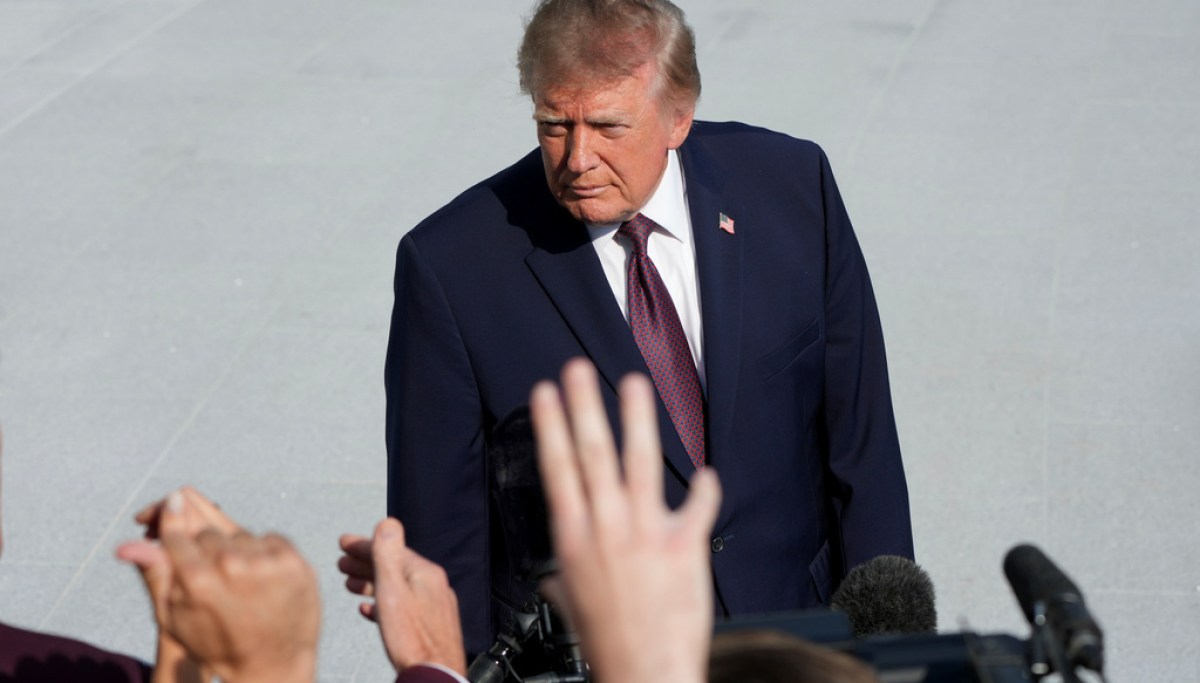
The president rallied in Wasilla for Sen. Dan Sullivan and faced empty seats at an Ohio event amid midterm concerns. Outlets across the spectrum covered the trips as signals of GOP vulnerability weeks before Election Day.
The Compass
You just read five takes on one story.
What's your take? Find your political shape in a few minutes.
Take the test