
Supreme Court Lets Presidents Fire Agency Heads, Upholds Late Mail Ballots

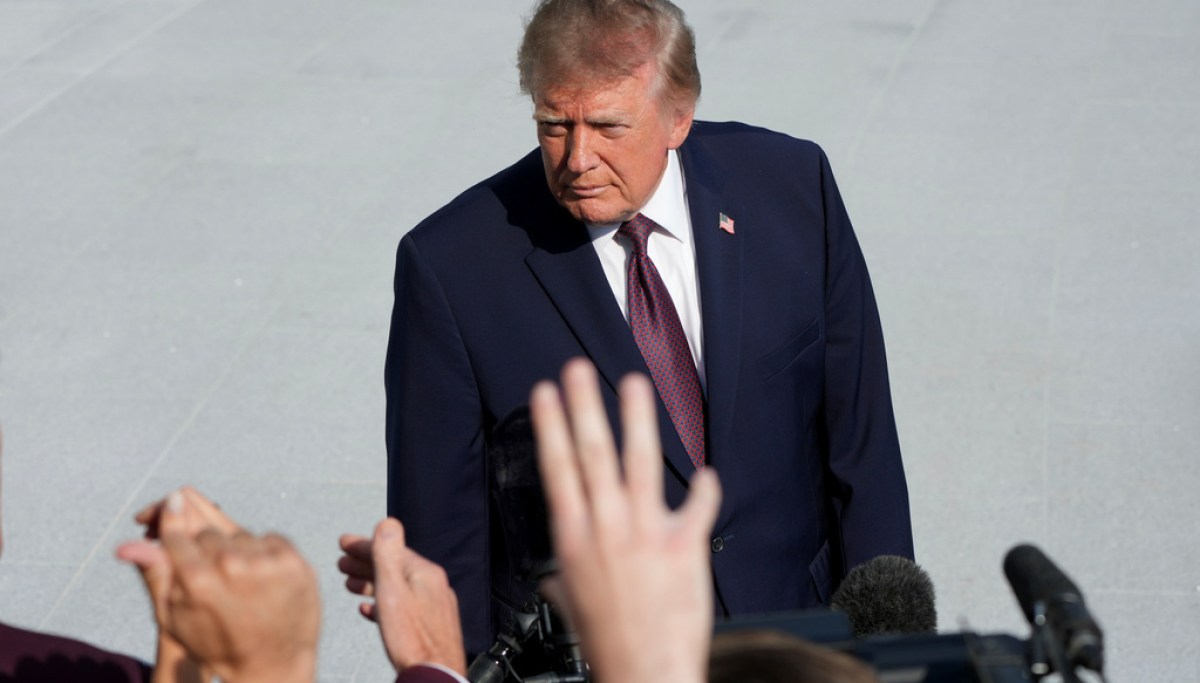
Cover image from nypost.com, which was analyzed for this article
The Supreme Court curtailed nationwide injunctions by lower courts and expanded presidential authority to fire officials at independent agencies, overturning precedent. Rulings also addressed birthright citizenship challenges and mail-in ballot rules, strengthening executive leverage.
PoliticalOS
Tuesday, June 30, 2026 — Politics
The core holding removes statutory protections against at-will removal for most independent-agency heads while preserving a procedural limit at the Federal Reserve and leaving state mail-ballot receipt rules in place. Readers should track how Congress responds to the new removal authority and whether future cases test its application to other agencies. The mail-ballot and Carroll outcomes show the Court did not grant every administration request.
What outlets missed
No outlet independently verified claims that the rulings would immediately affect nationwide injunctions or pending birthright-citizenship litigation. Several pieces asserted without docket citations that the agency-removal holding directly implemented Project 2025 language. Cash-on-hand totals for party committees reported in one account could not be corroborated against FEC filings cited by other sources. Details on the volume of pending Merit Systems Protection Board appeals after earlier removals appeared in only one article and lacked cross-checks from agency reports.
The Supreme Court on Monday gave presidents new authority to remove leaders of independent agencies, ending a 90-year limit on executive control. The 6-3 decision in Trump v. Slaughter overturned Humphrey's Executor v. United States and allowed the removal of Federal Trade Commission member Rebecca Slaughter. Chief Justice John Roberts wrote that the FTC exercises executive power and therefore falls under presidential direction.
The same day the Court preserved a narrower limit in Trump v. Cook. It blocked the immediate removal of Federal Reserve governor Lisa Cook because the statute requires notice and an opportunity to respond. The majority distinguished the central bank on grounds tied to its role in monetary policy.
In Watson v. Republican National Committee the justices upheld Mississippi's rule counting mail ballots postmarked by Election Day but received up to five days later. The ruling rejected arguments that federal election-day statutes set a stricter receipt deadline. Trump responded on Truth Social by calling for passage of the SAVE America Act.
The Court also declined without comment to review the $5 million civil judgment against Trump in the E. Jean Carroll defamation and sexual-abuse case. No dissents were noted. These outcomes leave in place the jury verdict from 2023.
The rulings shift power between Congress and the executive while leaving specific protections for the Federal Reserve and existing state mail-ballot practices intact. Lower courts and future Congresses now face questions about how broadly the new removal authority will apply to other agencies.
More in Politics

Federal Agents Search Omar Home in Ongoing Immigration Probe
Homeland Security agents searched the Minnesota Democrat's DC residence in a criminal probe, prompting accusations of political intimidation from Omar and Democratic leaders. Coverage spans left-leaning outlets like NPR, BBC, and The Guardian alongside right-leaning criticism from The Federalist and Daily Wire.

Trump Diesel Import Plan Draws Pushback Over Russia Ties
The weekend agreement drew bipartisan congressional pushback and criticism from Ukraine's Zelenskyy, with analysts downplaying US fuel price impacts. Right-leaning outlets like National Review, Dispatch, and Washington Examiner questioned its legality and effectiveness.

Independents Test Voter Appetite for Middle Ground in 2026 Midterms
Nearly 200 independents are running in competitive races as voters weigh ballot measures on housing costs in states like Massachusetts. Left-leaning coverage from NYT, NPR, and Guardian highlights turnout and key races while right outlets focus on GOP strategy.
Trump Rallies in Alaska, Ohio to Bolster GOP Senate Candidates
The president rallied in Wasilla for Sen. Dan Sullivan and faced empty seats at an Ohio event amid midterm concerns. Outlets across the spectrum covered the trips as signals of GOP vulnerability weeks before Election Day.
The Compass
You just read five takes on one story.
What's your take? Find your political shape in a few minutes.
Take the test