
Supreme Court Limits Congress, Upholds Gun Rights for Marijuana Users
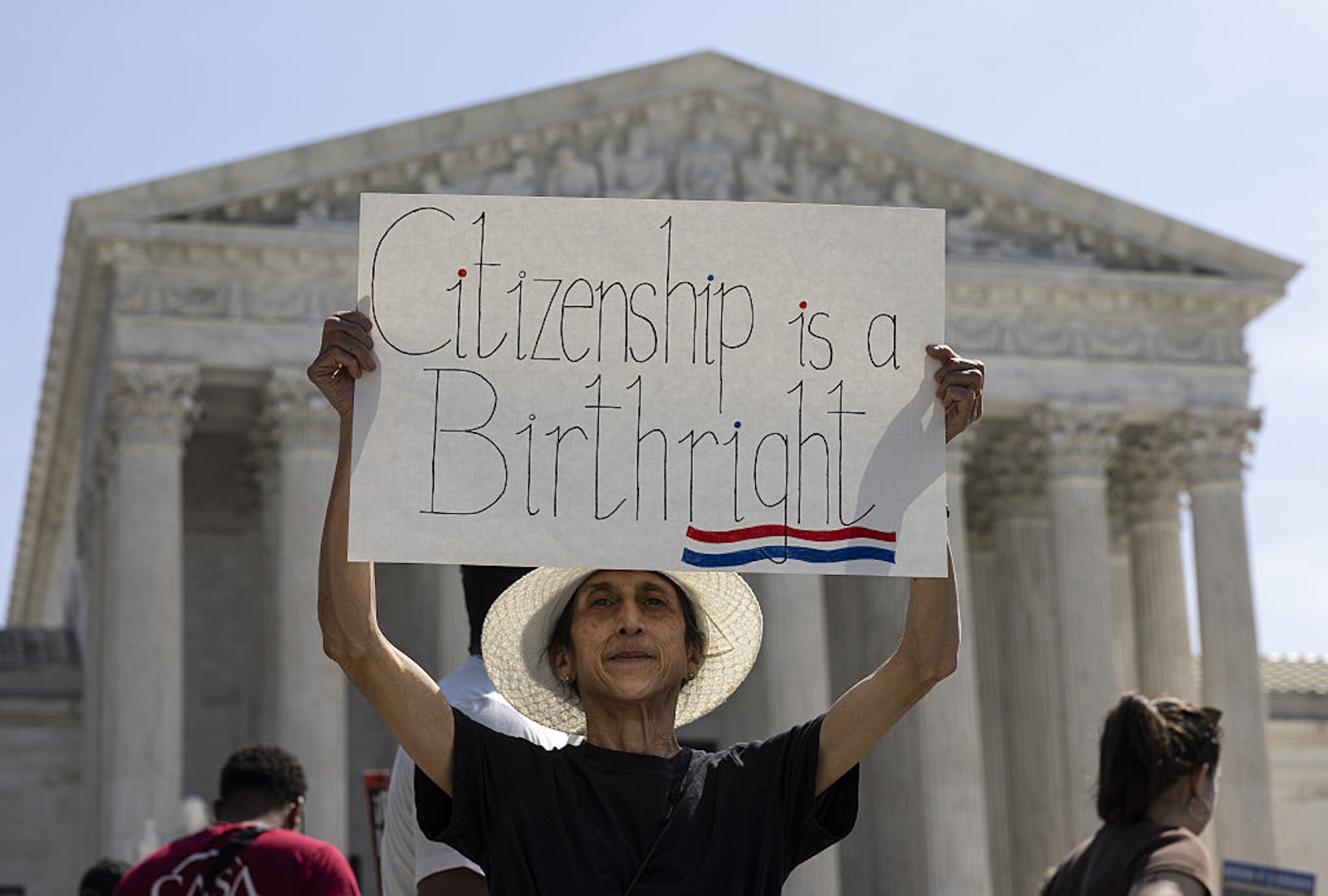
Cover image from salon.com, which was analyzed for this article
Upcoming decisions could reshape executive authority and social issues with generational impact. Court also ruled on gun rights for marijuana users.
PoliticalOS
Thursday, June 25, 2026 — Politics
The Court narrowed two statutes that had expanded access to federal courts while protecting gun rights tied solely to marijuana use. The pending birthright-citizenship decision will test whether similar limits apply to executive action under the 14th Amendment.
What outlets missed
No outlet connected the three June rulings to the pending birthright-citizenship case as parallel questions of institutional power. Coverage omitted the precise statutory language of the Alien Tort Statute and RLUIPA that the majority opinions relied upon. The Sun-Times column alone noted the 20 million estimate of gun-owning cannabis users but supplied no source for the figure of 18 state attorneys general supporting the government.
The Supreme Court issued rulings this month that narrow the reach of two federal statutes enacted by Congress while unanimously protecting gun ownership by regular marijuana users. These decisions arrive as the justices prepare to rule on whether President Trump’s 2025 executive order can deny birthright citizenship to children of undocumented immigrants under the 14th Amendment.
In Cisco Systems v. Doe, the Court held that the Alien Tort Statute does not authorize federal courts to create new causes of action for violations of international law beyond the narrow set recognized at the founding. Justice Barrett’s majority opinion closed the door left open in the 2004 Sosa decision. Justice Sotomayor dissented, arguing the ruling overruled Sosa without acknowledgment.
In Landor v. Louisiana Department of Corrections, the Court ruled that the Religious Land Use and Institutionalized Persons Act does not permit damages suits against state prison officials in their personal capacities. Justice Gorsuch wrote that the statute functions as a contract between the federal government and the state, binding only parties that explicitly accepted its terms. Justice Jackson dissented, joined by the other liberal justices.
The same week, the Court unanimously sided with Ali Hemani, a Texas man prosecuted for possessing a firearm while using marijuana several times a week. The justices rejected the government’s attempt to equate periodic cannabis use with historical laws targeting “habitual drunkards.” The ruling leaves open prosecutions where additional evidence shows a threat to public safety.
A separate case, Trump v. Barbara, challenges the executive order that withholds citizenship from children born after February 20, 2025, when at least one parent lacks lawful permanent status. Oral arguments occurred April 1; a decision is expected by early July, near the nation’s 250th anniversary. Lower courts blocked the order nationwide pending review.
The three decided cases turned on statutory text, historical analogues, and separation-of-powers principles rather than direct constitutional interpretation of executive authority.
More in Politics

Federal Agents Search Omar Home in Ongoing Immigration Probe
Homeland Security agents searched the Minnesota Democrat's DC residence in a criminal probe, prompting accusations of political intimidation from Omar and Democratic leaders. Coverage spans left-leaning outlets like NPR, BBC, and The Guardian alongside right-leaning criticism from The Federalist and Daily Wire.

Trump Diesel Import Plan Draws Pushback Over Russia Ties
The weekend agreement drew bipartisan congressional pushback and criticism from Ukraine's Zelenskyy, with analysts downplaying US fuel price impacts. Right-leaning outlets like National Review, Dispatch, and Washington Examiner questioned its legality and effectiveness.

Independents Test Voter Appetite for Middle Ground in 2026 Midterms
Nearly 200 independents are running in competitive races as voters weigh ballot measures on housing costs in states like Massachusetts. Left-leaning coverage from NYT, NPR, and Guardian highlights turnout and key races while right outlets focus on GOP strategy.
Trump Rallies in Alaska, Ohio to Bolster GOP Senate Candidates
The president rallied in Wasilla for Sen. Dan Sullivan and faced empty seats at an Ohio event amid midterm concerns. Outlets across the spectrum covered the trips as signals of GOP vulnerability weeks before Election Day.
The Compass
You just read five takes on one story.
What's your take? Find your political shape in a few minutes.
Take the test