
Supreme Court Upholds Birthright Citizenship, Narrows Surveillance and Trans Sports
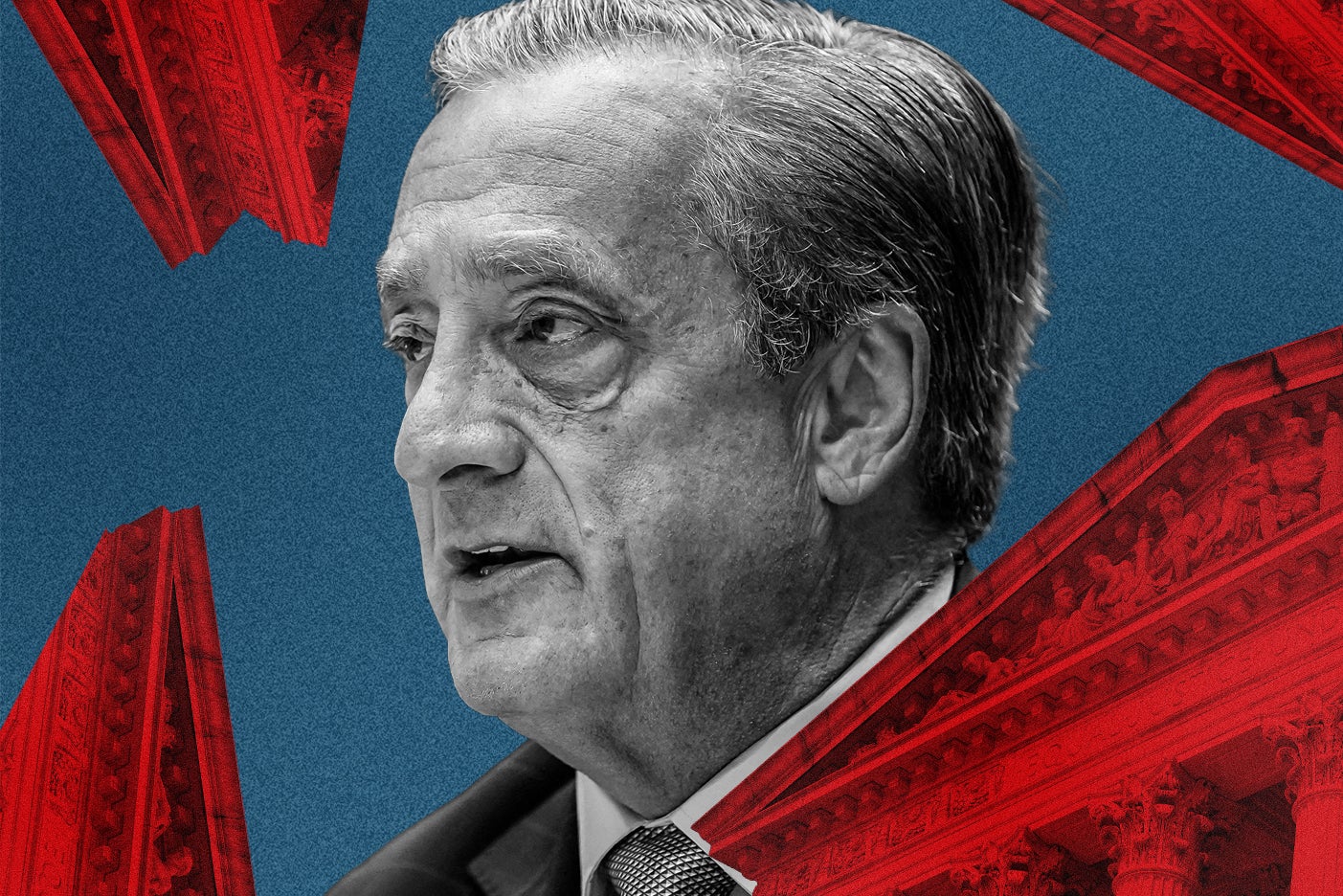
Cover image from slate.com, which was analyzed for this article
The Court denied Trump's effort to end birthright citizenship, issued major privacy and mail-in ballot decisions, and upheld limits on trans participation in women's sports. Rulings drew sharp reactions across the political spectrum ahead of midterms.
PoliticalOS
Thursday, July 2, 2026 — Politics
The Court produced narrow majorities that preserved birthright citizenship under existing statute, required warrants for geofence data, and permitted state limits on transgender participation in female sports. These outcomes leave open future statutory and constitutional challenges while clarifying immediate boundaries on executive and state power ahead of the midterms.
What outlets missed
Kavanaugh's concurrence rested explicitly on the statutory text of 8 U.S.C. § 1401 rather than the Fourteenth Amendment, a distinction that narrows the constitutional holding. The geofence ruling leaves open whether the specific three-step warrant process used in the 2019 bank robbery satisfied particularity requirements. No outlet supplied the exact vote breakdown or opinion authors for Watson v. RNC or the trans-sports cases beyond Kavanaugh's role. The term's shadow-docket orders on immigration, foreign aid, and voting maps received only passing mention despite their immediate effect on executive actions.
The Supreme Court ended its 2025-26 term by resolving four major disputes that directly affect citizenship, digital privacy, mail ballots, and school sports. The decisions limit presidential power to redefine constitutional citizenship, require warrants for certain location data, preserve state flexibility on late mail ballots, and allow states to bar transgender athletes from girls' and women's teams.
In Trump v. Barbara the Court ruled 6-3 that President Trump's executive order excluding children of parents without lawful permanent status from birthright citizenship violated federal statute. Chief Justice Roberts wrote the majority opinion joined by Justices Barrett, Sotomayor, Kagan, and Jackson. Justice Kavanaugh concurred in the judgment on statutory grounds under 8 U.S.C. § 1401 while declining to reach the constitutional question. Justices Thomas, Gorsuch, and Alito dissented, arguing the Citizenship Clause does not extend to children of temporary or undocumented visitors.
In Chatrie v. United States the Court held 6-3 that geofence warrants seeking Google location history constitute searches under the Fourth Amendment. Justice Kagan's opinion, joined by five others, rejected application of the third-party doctrine and remanded for further review of the warrant's particularity. The ruling follows Carpenter v. United States (2018) and applies to reverse-location requests that sweep in devices near a crime scene without individualized suspicion.
In Watson v. RNC the Court upheld state laws permitting counting of mail ballots postmarked by Election Day but received afterward. The decision leaves intact existing state deadlines and procedures for verifying and tabulating such ballots.
In the consolidated cases Little v. Hecox and West Virginia v. B.P.J. the Court upheld Idaho and West Virginia statutes barring transgender girls from female school sports teams. Justice Kavanaugh's majority opinion relied on Title IX's explicit allowance for sex-segregated athletic teams and left states free to define eligibility by biological sex at birth. The rulings affect laws now in place in more than half the states.
The term also produced Trump v. Slaughter, in which the Court held that presidents may remove heads of independent agencies, overturning Humphrey's Executor. Reactions split along familiar lines: progressive outlets emphasized threats to institutional norms and minority protections, while conservative outlets stressed restoration of constitutional text and state authority. All four principal decisions were issued in the final week before the July 2026 recess and will shape litigation and legislation heading into the midterms.
More in Politics

Federal Agents Search Omar Home in Ongoing Immigration Probe
Homeland Security agents searched the Minnesota Democrat's DC residence in a criminal probe, prompting accusations of political intimidation from Omar and Democratic leaders. Coverage spans left-leaning outlets like NPR, BBC, and The Guardian alongside right-leaning criticism from The Federalist and Daily Wire.

Trump Diesel Import Plan Draws Pushback Over Russia Ties
The weekend agreement drew bipartisan congressional pushback and criticism from Ukraine's Zelenskyy, with analysts downplaying US fuel price impacts. Right-leaning outlets like National Review, Dispatch, and Washington Examiner questioned its legality and effectiveness.

Independents Test Voter Appetite for Middle Ground in 2026 Midterms
Nearly 200 independents are running in competitive races as voters weigh ballot measures on housing costs in states like Massachusetts. Left-leaning coverage from NYT, NPR, and Guardian highlights turnout and key races while right outlets focus on GOP strategy.
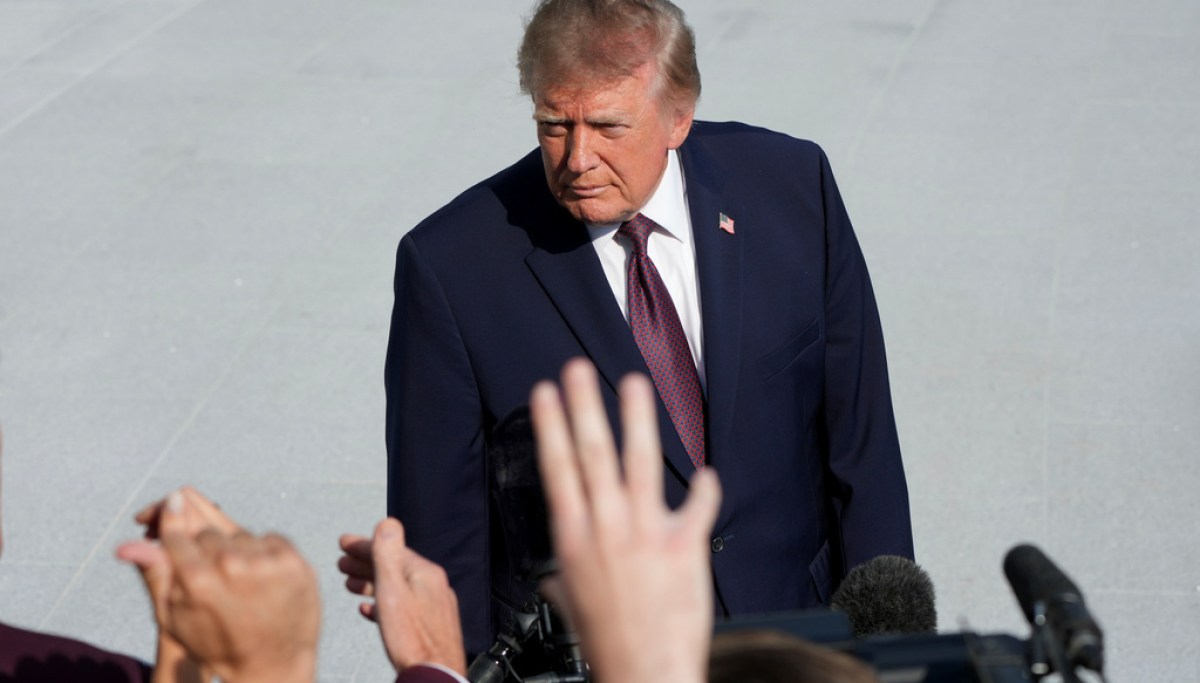
Trump Rallies in Alaska, Ohio to Bolster GOP Senate Candidates
The president rallied in Wasilla for Sen. Dan Sullivan and faced empty seats at an Ohio event amid midterm concerns. Outlets across the spectrum covered the trips as signals of GOP vulnerability weeks before Election Day.
The Compass
You just read five takes on one story.
What's your take? Find your political shape in a few minutes.
Take the test