
Texas Moves to Require Bible Stories in Public School Reading Lists

Cover image from motherjones.com, which was analyzed for this article
Texas advanced plans to require Bible excerpts and classics in public school curricula, potentially the first such state mandate.
PoliticalOS
Thursday, June 25, 2026 — Politics
Texas is on the verge of becoming the first state to embed specific Bible excerpts into a required public-school reading list, a move that directly tests long-standing limits on religious content in state curricula and will affect one in ten U.S. public-school students if approved.
What outlets missed
The 9-5 partisan split on the board vote was omitted from the Independent account, leaving readers without the clearest evidence that the outcome followed standard electoral arithmetic rather than an opaque process. No outlet supplied the exact statutory language of HB1605 that frames the Bible selections as compliance with an existing literary-works requirement. Details on implementation costs, teacher training, and the precise mechanism for handling opt-outs or parental complaints were absent across coverage.
Texas public schools may soon require students to read specific Bible excerpts alongside other classic texts, a step that would affect 5.5 million children from kindergarten through high school starting in 2030. The proposal has drawn immediate legal and cultural scrutiny because it would mark the first statewide mandate of its kind.
The Texas State Board of Education is scheduled to take a final vote on Friday. The list includes picture-book versions of Noah’s Ark, David and Goliath, and Daniel and the Lion’s Den for younger grades. Fourth-graders would read New Testament passages about Jesus; middle-school students would encounter excerpts from the Sermon on the Mount and the Book of Lamentations paired with Holocaust material; high-school students would study the parable of the prodigal son, portions of Job, and the story of Adam and Eve. The selections rely primarily on the King James Bible and recent evangelical translations.
The board’s action follows a 2023 law, HB1605, that requires at least one literary work per grade level from an approved list of roughly 200 texts. The same year Texas became the largest state to order the Ten Commandments displayed in every classroom, a policy later upheld by a federal appeals court. Supporters argue the Bible passages reflect the nation’s founding traditions. Critics, including the Texas Freedom Network and PEN America, contend the mandate elevates one religion over others and risks violating the Establishment Clause.
Board members split 9-5 along party lines on preliminary approval, with Republicans in favor and Democrats opposed. Antero Garcia of the National Council of Teachers of English said he knows of no other state that has imposed a comparable required list. Frank Strong, co-founder of Texas Freedom to Read, noted the absence of texts from other religious traditions. If the final vote passes, Texas would become the first state to embed mandated religious excerpts in its official curriculum.
More in Politics

Federal Agents Search Omar Home in Ongoing Immigration Probe
Homeland Security agents searched the Minnesota Democrat's DC residence in a criminal probe, prompting accusations of political intimidation from Omar and Democratic leaders. Coverage spans left-leaning outlets like NPR, BBC, and The Guardian alongside right-leaning criticism from The Federalist and Daily Wire.

Trump Diesel Import Plan Draws Pushback Over Russia Ties
The weekend agreement drew bipartisan congressional pushback and criticism from Ukraine's Zelenskyy, with analysts downplaying US fuel price impacts. Right-leaning outlets like National Review, Dispatch, and Washington Examiner questioned its legality and effectiveness.

Independents Test Voter Appetite for Middle Ground in 2026 Midterms
Nearly 200 independents are running in competitive races as voters weigh ballot measures on housing costs in states like Massachusetts. Left-leaning coverage from NYT, NPR, and Guardian highlights turnout and key races while right outlets focus on GOP strategy.
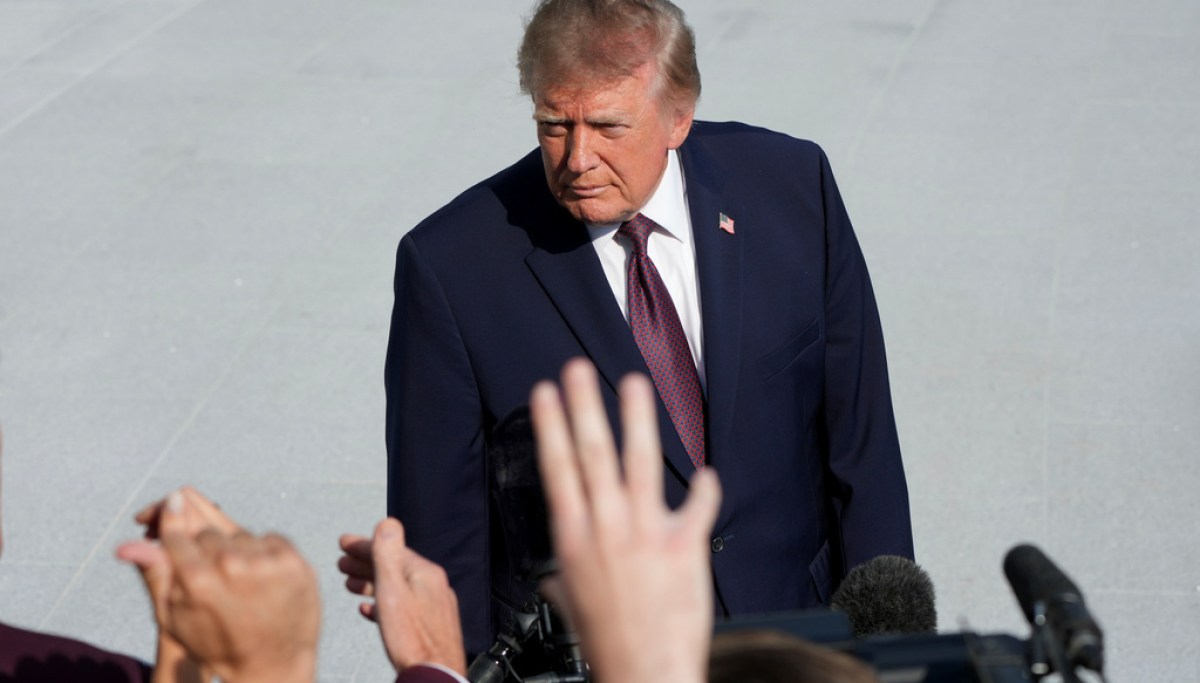
Trump Rallies in Alaska, Ohio to Bolster GOP Senate Candidates
The president rallied in Wasilla for Sen. Dan Sullivan and faced empty seats at an Ohio event amid midterm concerns. Outlets across the spectrum covered the trips as signals of GOP vulnerability weeks before Election Day.
The Compass
You just read five takes on one story.
What's your take? Find your political shape in a few minutes.
Take the test