
Trump Delays AI Order to Preserve US Lead Over China
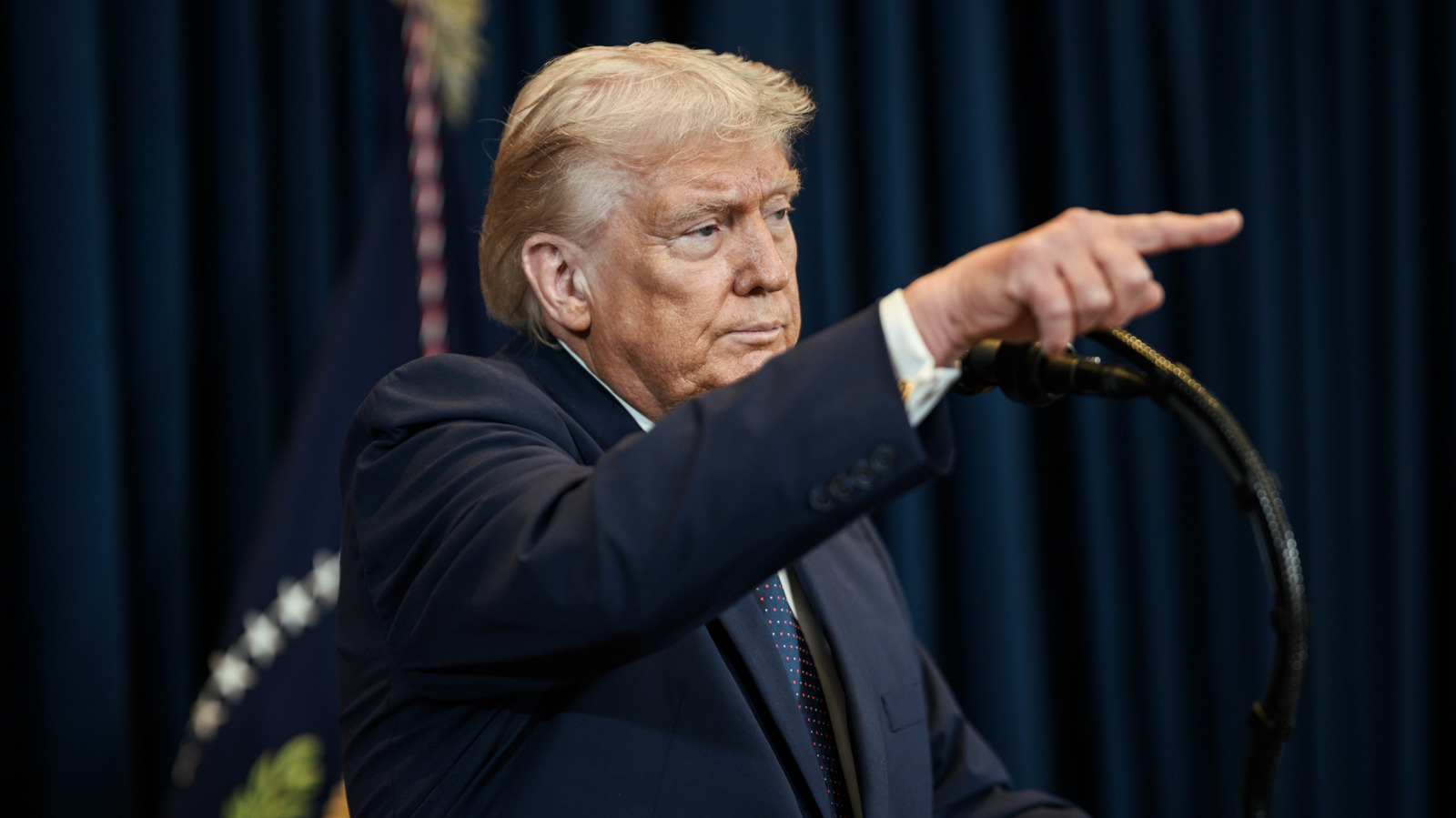
Cover image from engadget.com, which was analyzed for this article
The administration delayed a planned executive order on AI oversight due to strategic concerns about competition with China. Tech companies and lawmakers are watching the policy shift closely.
PoliticalOS
Friday, May 22, 2026 — Tech
The postponement shows the administration placing preservation of the US AI lead above immediate regulatory steps. Industry input played a role, yet the decision rests on Trump’s public assessment that oversight could slow American progress relative to China. Readers should watch whether a revised order reappears with narrower scope or delayed timeline.
What outlets missed
Most coverage omitted the order’s planned directive for government use of advanced models to harden cybersecurity in banks, hospitals, and federal systems. Few reports noted that Treasury Secretary Scott Bessent and chief of staff Susie Wiles had separately urged stronger safety provisions before the delay. The sequence showing the draft had already shifted from mandatory to voluntary participation before industry outreach received little attention outside specialized outlets.
Trump Delays AI Oversight Order to Maintain US Lead Over China
President Donald Trump has postponed signing an executive order that would have established a voluntary framework for AI developers to consult with the federal government before releasing advanced models. The decision came after the president concluded that the measure risked slowing the technological momentum that currently gives the United States an edge over China.
Trump spoke directly about the issue in the Oval Office, stating that any new requirements could interfere with American progress. "I think it gets in the way of, you know, we're leading China, we're leading everybody, and I don't want to do anything that's going to get in the way of that lead," he said. The order had already been softened from an earlier version that would have required companies to share models with officials, and the White House had prepared invitations for a signing ceremony that was ultimately canceled.
Reports indicate that last-minute input from technology executives played a role in the postponement. Figures including Elon Musk of xAI and Mark Zuckerberg of Meta raised concerns that even a voluntary process could introduce delays at a time when rapid iteration remains central to American competitiveness. Former AI and crypto policy adviser David Sacks also participated in discussions with the president. Musk later stated on social media that he had not known the order's contents beforehand and had spoken with Trump only after the decision not to sign.
The episode reflects a broader pattern in which new regulatory structures are proposed in the name of safety or coordination, yet often expand into constraints that favor established players able to absorb compliance costs. In fields driven by quick adaptation and experimentation, such rules can shift resources away from development toward paperwork and pre-approvals. Trump has previously described the administration's stance as one of allowing AI to develop without premature restrictions, comparing it to nurturing growth rather than applying brakes.
China continues to invest heavily in AI capabilities, with state-directed programs aimed at closing the gap in both civilian and military applications. Any policy that adds friction to American releases risks narrowing the window during which the United States holds a meaningful advantage. Industry participants have noted that the current lead stems from open competition and private investment rather than centralized coordination. Introducing even modest government review steps could encourage companies to relocate development or alter release schedules to avoid uncertainty.
The president has not indicated whether a revised version of the order will be pursued or what specific provisions drew his objection. Earlier plans reportedly included directing federal agencies to adopt advanced models for cybersecurity improvements in critical sectors such as finance and healthcare. While cybersecurity threats from powerful AI systems are real, the question remains whether top-down mandates are the most effective response or whether market incentives and existing private-sector defenses can address vulnerabilities more nimbly.
Observers familiar with regulatory history point out that frameworks presented as light-touch often evolve into more prescriptive systems once agencies begin interpreting their scope. In the case of emerging technologies, this pattern has repeatedly shifted focus from outcomes to process. Trump's choice to pause the order aligns with an approach that treats technological superiority as an asset requiring protection from self-imposed limits rather than an activity needing additional oversight.
The coming months will show whether the administration returns to the issue with narrower language or sets it aside in favor of allowing continued private-sector momentum. For now, the postponement leaves developers free to release models on schedules determined by technical readiness and commercial considerations instead of added procedural hurdles.
You just read Conservative's take. Want to read what actually happened?
More in Technology
Trump Pushes Community Dividends to Ease Data Center Backlash
Trump suggested tech companies pay local communities a 'dividend' to gain support for massive AI data centers amid growing backlash over energy use and infrastructure.
Musk Pledges One SpaceX Share to Every U.S. Child
Musk announced plans to distribute one SpaceX share to each of roughly 73 million American children next year, drawing praise from Trump and signaling closer alignment between the two.

Trump Administration Bans DeepSeek AI From Federal Civilian Agencies
Tech stocks rebounded on AI optimism while hyperscalers and firms navigate data center infrastructure, earnings focus, and regulatory scrutiny including bans on certain Chinese AI tools.

Musk Says He Will Give One SpaceX Share to Every US Child
Elon Musk announced plans to distribute one SpaceX share to every American child in 2027, with hints of further giveaways. The pledge drew coverage across outlets amid broader discussions of AI philanthropy and Musk entities.
The Compass
You just read five takes on one story.
What's your take? Find your political shape in a few minutes.
Take the test