
Trump Delays AI Order to Preserve US Lead Over China
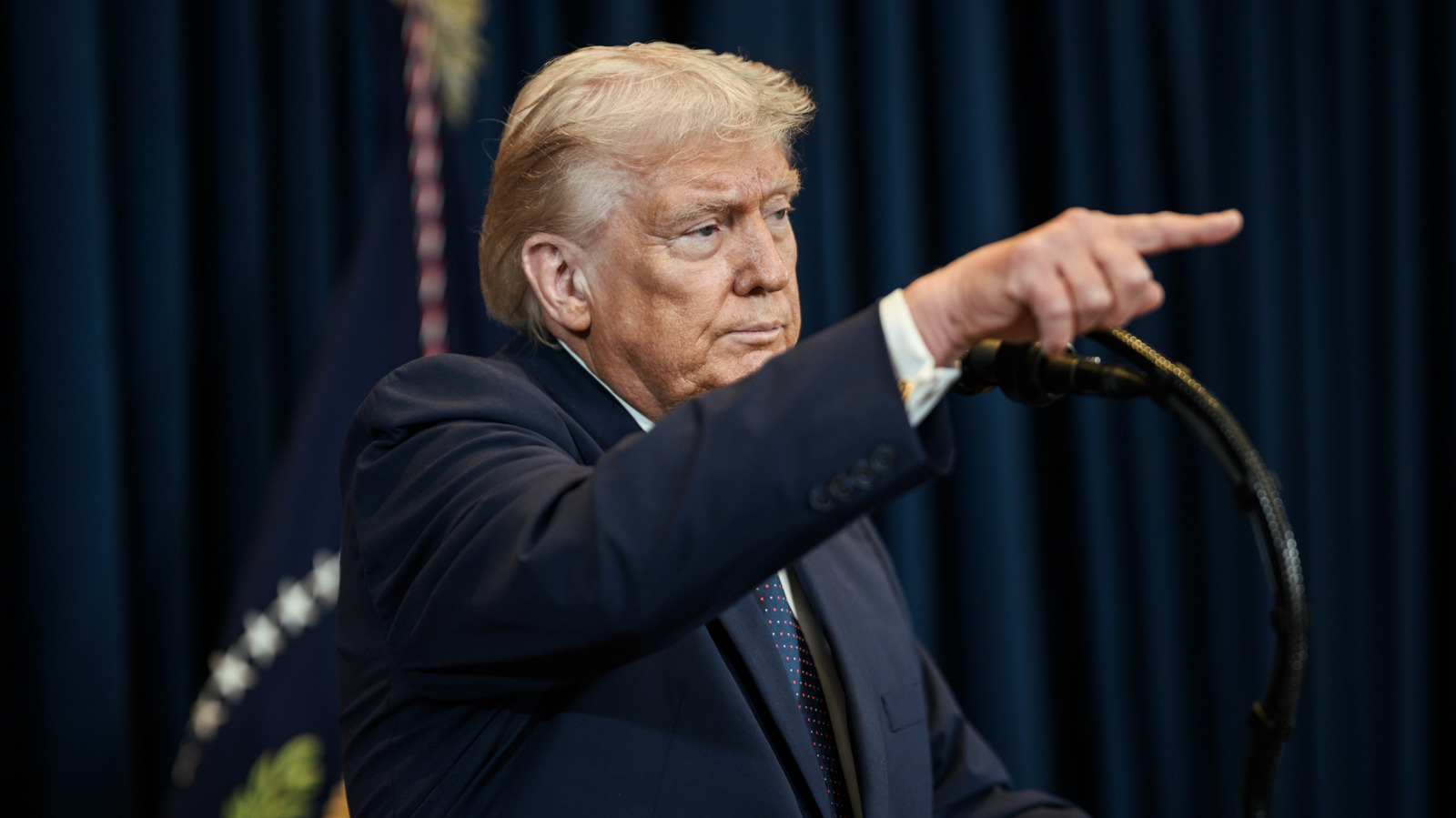
Cover image from engadget.com, which was analyzed for this article
The administration delayed a planned executive order on AI oversight due to strategic concerns about competition with China. Tech companies and lawmakers are watching the policy shift closely.
PoliticalOS
Friday, May 22, 2026 — Tech
The postponement shows the administration placing preservation of the US AI lead above immediate regulatory steps. Industry input played a role, yet the decision rests on Trump’s public assessment that oversight could slow American progress relative to China. Readers should watch whether a revised order reappears with narrower scope or delayed timeline.
What outlets missed
Most coverage omitted the order’s planned directive for government use of advanced models to harden cybersecurity in banks, hospitals, and federal systems. Few reports noted that Treasury Secretary Scott Bessent and chief of staff Susie Wiles had separately urged stronger safety provisions before the delay. The sequence showing the draft had already shifted from mandatory to voluntary participation before industry outreach received little attention outside specialized outlets.
Trump Puts AI Order on Hold to Protect American Lead Over China
President Donald Trump has delayed signing an executive order aimed at creating a framework for government review of advanced artificial intelligence models, citing the need to preserve the United States' technological advantage over China. The decision came after the White House had already prepared invitations for a signing ceremony, according to multiple reports. Trump told reporters in the Oval Office that he viewed the measure as a potential obstacle to American progress in a field where the country currently holds the upper hand.
The proposed order would have established a voluntary process for AI developers to consult with federal officials before releasing powerful new systems. Earlier versions reportedly included requirements for sharing model details to address safety and cybersecurity risks. Trump indicated he objected to elements that could slow development, stating that the United States is leading China and others in AI and that nothing should interfere with that position. He has recently returned from a visit to China, where he described his meeting with President Xi Jinping as very successful, marking the first such presidential trip in nearly a decade.
Reports indicate that tech executives played a role in the postponement. Figures including Elon Musk of xAI and Mark Zuckerberg of Meta reportedly expressed concerns that the framework could hinder rapid innovation at a time when AI is becoming central to economic growth. Former AI and crypto policy adviser David Sacks was also said to have weighed in against the measure. Musk later pushed back on claims about the extent of his involvement, noting he learned details only after the president had already declined to sign. The administration has so far maintained a relatively light-touch stance toward the technology, with Trump emphasizing the importance of allowing AI to develop without unnecessary restrictions.
The move reflects ongoing tensions between regulatory ambitions and competitive realities. Proponents of greater oversight have pointed to potential risks, such as advanced models being used to enhance cyberattacks on critical infrastructure like banking systems and hospitals. Yet critics argue that imposing even voluntary reviews risks creating bureaucratic hurdles that foreign competitors, particularly in China, would not face. American companies have invested heavily in AI capabilities, and any process that delays deployment could shift momentum abroad.
Trump has not ruled out revisiting the order in a revised form. He stressed the priority of maintaining momentum in a sector that underpins future economic and national security advantages. The episode underscores the administration's focus on ensuring that policy decisions do not inadvertently aid rivals in a high-stakes technological contest. As development continues at a fast pace, the White House appears determined to avoid steps that might constrain domestic progress while China advances its own programs.
You just read America First's take. Want to read what actually happened?
More in Technology
Trump Pushes Community Dividends to Ease Data Center Backlash
Trump suggested tech companies pay local communities a 'dividend' to gain support for massive AI data centers amid growing backlash over energy use and infrastructure.
Musk Pledges One SpaceX Share to Every U.S. Child
Musk announced plans to distribute one SpaceX share to each of roughly 73 million American children next year, drawing praise from Trump and signaling closer alignment between the two.

Trump Administration Bans DeepSeek AI From Federal Civilian Agencies
Tech stocks rebounded on AI optimism while hyperscalers and firms navigate data center infrastructure, earnings focus, and regulatory scrutiny including bans on certain Chinese AI tools.

Musk Says He Will Give One SpaceX Share to Every US Child
Elon Musk announced plans to distribute one SpaceX share to every American child in 2027, with hints of further giveaways. The pledge drew coverage across outlets amid broader discussions of AI philanthropy and Musk entities.
The Compass
You just read five takes on one story.
What's your take? Find your political shape in a few minutes.
Take the test