
Trump Delays AI Order to Preserve US Lead Over China
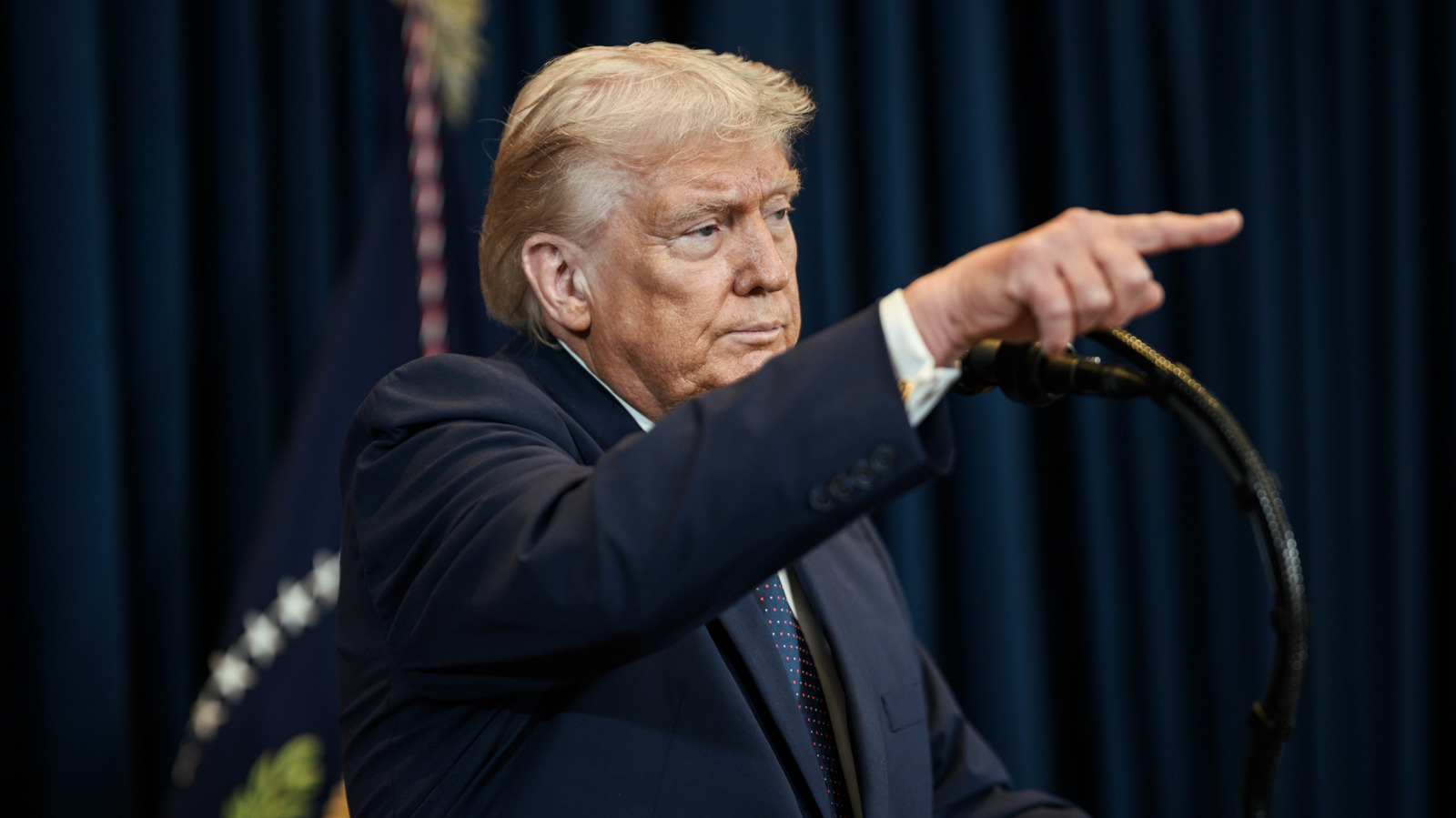
Cover image from engadget.com, which was analyzed for this article
The administration delayed a planned executive order on AI oversight due to strategic concerns about competition with China. Tech companies and lawmakers are watching the policy shift closely.
PoliticalOS
Friday, May 22, 2026 — Tech
The postponement shows the administration placing preservation of the US AI lead above immediate regulatory steps. Industry input played a role, yet the decision rests on Trump’s public assessment that oversight could slow American progress relative to China. Readers should watch whether a revised order reappears with narrower scope or delayed timeline.
What outlets missed
Most coverage omitted the order’s planned directive for government use of advanced models to harden cybersecurity in banks, hospitals, and federal systems. Few reports noted that Treasury Secretary Scott Bessent and chief of staff Susie Wiles had separately urged stronger safety provisions before the delay. The sequence showing the draft had already shifted from mandatory to voluntary participation before industry outreach received little attention outside specialized outlets.
Trump Delays AI Oversight Measure Citing Competition With China
President Donald Trump postponed an executive order intended to establish a voluntary process for advanced artificial intelligence developers to consult with the federal government before releasing powerful new models. The decision followed objections from technology executives who argued that even modest oversight steps could slow progress in a field where the United States currently holds an edge over China.
The order had been prepared after months of internal discussion and was originally envisioned as a way to give officials early visibility into systems that could affect national security and critical infrastructure. It was later revised to make participation voluntary rather than required. Even in that form, however, the measure drew last-minute resistance from figures including Elon Musk of xAI and Mark Zuckerberg of Meta, who conveyed their concerns directly to the White House. Trump ultimately agreed that the framework risked interfering with American leadership in the technology.
Speaking to reporters in the Oval Office, the president said he did not want to take any action that might erode the country’s current advantage. “We’re leading China, we’re leading everybody, and I don’t want to do anything that’s going to get in the way of that lead,” he said. A signing ceremony that had been scheduled for the previous afternoon was canceled after the invitations had already gone out.
The episode illustrates how arguments about geopolitical competition are shaping domestic technology policy. Administration officials have repeatedly framed rapid AI progress as essential to both economic growth and strategic positioning relative to China. In that context, even limited requirements for pre-release notification were portrayed by industry advocates as potential drags on development timelines that could hand advantages to foreign competitors operating under fewer constraints.
The order would also have directed federal agencies to explore using advanced models to strengthen cybersecurity protections for government networks and for sectors such as banking and health care. Those provisions reflected growing concern that highly capable systems could be repurposed to automate sophisticated attacks. Yet the same capabilities that raise security risks are also viewed by the administration as tools for maintaining technological superiority, creating a tension that has not yet been resolved in formal policy.
Trump has offered no timetable for revisiting the measure or for any alternative approach. The White House has instead emphasized a preference for allowing the technology to advance without new restrictions. That stance aligns with the broader pattern in which industry arguments about innovation speed have carried significant weight in regulatory debates. With no immediate replacement framework under discussion, the practical effect is continued reliance on voluntary practices by companies whose business models depend on moving quickly to market.
The episode also highlights the influence of a small group of technology leaders who have gained direct access to senior officials on AI matters. Their ability to reach the president at a late stage in the drafting process and alter the outcome underscores how concentrated private-sector power can shape the timing and content of government action in this area. Whether that influence produces durable policy or repeated delays remains an open question as the technology continues to evolve.
You just read Liberal's take. Want to read what actually happened?
More in Technology
Trump Pushes Community Dividends to Ease Data Center Backlash
Trump suggested tech companies pay local communities a 'dividend' to gain support for massive AI data centers amid growing backlash over energy use and infrastructure.
Musk Pledges One SpaceX Share to Every U.S. Child
Musk announced plans to distribute one SpaceX share to each of roughly 73 million American children next year, drawing praise from Trump and signaling closer alignment between the two.

Trump Administration Bans DeepSeek AI From Federal Civilian Agencies
Tech stocks rebounded on AI optimism while hyperscalers and firms navigate data center infrastructure, earnings focus, and regulatory scrutiny including bans on certain Chinese AI tools.

Musk Says He Will Give One SpaceX Share to Every US Child
Elon Musk announced plans to distribute one SpaceX share to every American child in 2027, with hints of further giveaways. The pledge drew coverage across outlets amid broader discussions of AI philanthropy and Musk entities.
The Compass
You just read five takes on one story.
What's your take? Find your political shape in a few minutes.
Take the test