
Trump Delays AI Order to Preserve US Lead Over China
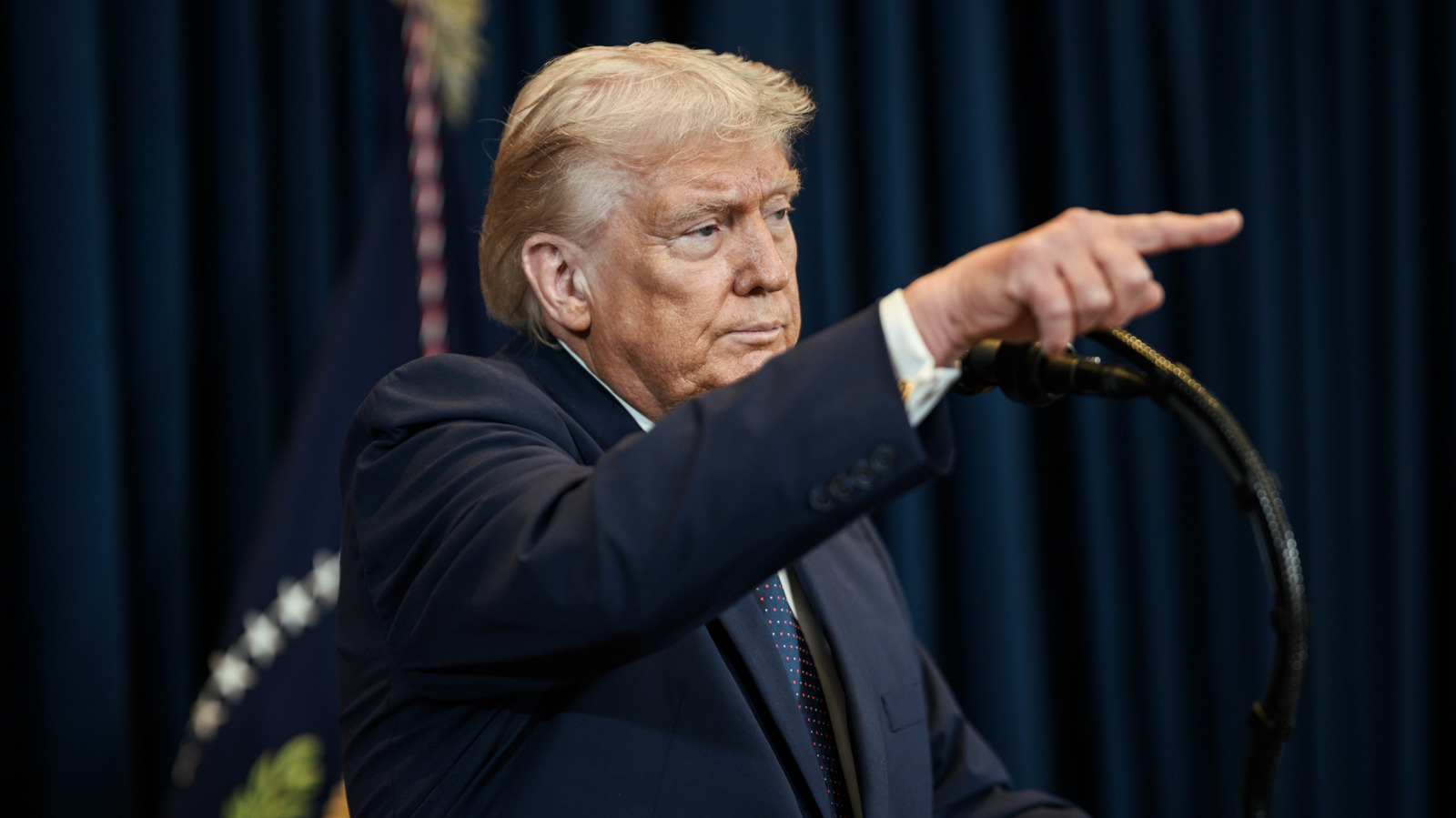
Cover image from engadget.com, which was analyzed for this article
The administration delayed a planned executive order on AI oversight due to strategic concerns about competition with China. Tech companies and lawmakers are watching the policy shift closely.
PoliticalOS
Friday, May 22, 2026 — Tech
The postponement shows the administration placing preservation of the US AI lead above immediate regulatory steps. Industry input played a role, yet the decision rests on Trump’s public assessment that oversight could slow American progress relative to China. Readers should watch whether a revised order reappears with narrower scope or delayed timeline.
What outlets missed
Most coverage omitted the order’s planned directive for government use of advanced models to harden cybersecurity in banks, hospitals, and federal systems. Few reports noted that Treasury Secretary Scott Bessent and chief of staff Susie Wiles had separately urged stronger safety provisions before the delay. The sequence showing the draft had already shifted from mandatory to voluntary participation before industry outreach received little attention outside specialized outlets.
Trump Delays AI Oversight Order After Lobbying From Musk And Zuckerberg
President Donald Trump has postponed an executive order aimed at creating a basic framework for government review of advanced artificial intelligence models, citing the need to preserve America's competitive edge over China. The move came after reported last-minute intervention from tech executives including Elon Musk and Mark Zuckerberg, who argued that even voluntary measures could hinder rapid development.
The order, which had been prepared for a signing ceremony that was abruptly called off, would have established a voluntary process for leading AI companies to consult with federal officials before releasing powerful new systems. Earlier drafts reportedly leaned toward more structured requirements, but the final version was softened to avoid mandatory steps. Trump told reporters in the Oval Office that he viewed the proposal as an obstacle. "I think it gets in the way of, you know, we're leading China, we're leading everybody, and I don't want to do anything that's going to get in the way of that lead," he said.
The decision reflects the administration's consistent preference for minimal regulation in the sector. White House officials have described AI as a technology that must be allowed to grow without interference, echoing earlier statements that the industry should be treated like a developing enterprise rather than one requiring guardrails. The postponed order also included provisions directing government agencies to adopt advanced models for improving cybersecurity across federal systems and critical infrastructure such as banks and hospitals. Those elements were set aside along with the rest of the plan.
Reporting from multiple outlets indicates that the delay followed direct outreach from Musk, whose xAI company is building its own large-scale models, as well as Zuckerberg of Meta and former AI policy adviser David Sacks. The executives reportedly warned that any formal process, even if non-binding, risked slowing innovation at a moment when US firms are racing to deploy new capabilities. Invitations for a White House event had already been sent to industry figures before the plan was shelved. Musk later posted on his platform that he had not known the details of the order in advance and spoke with Trump only after the postponement.
The episode underscores how concentrated corporate influence continues to shape federal technology policy. Companies racing to commercialize AI stand to benefit from the absence of even modest pre-release consultations that could surface security or safety issues. At the same time, experts have raised alarms about the potential for advanced models to accelerate sophisticated cyber attacks, a concern that the shelved order sought to address through better government adoption of defensive tools. Without such steps, vulnerabilities in public systems and private networks remain unmitigated while development proceeds at full speed.
Trump's China-focused rationale also fits a pattern in which geopolitical competition serves as justification for keeping regulatory distance. The president recently returned from a visit to Beijing, where he described talks with Xi Jinping as productive, yet the administration has shown little appetite for coordinated international standards on AI safety that might constrain domestic firms. Industry advocates have warned that any framework could affect profits by forcing adjustments to model performance or release timelines, a concern that appears to have carried significant weight inside the White House.
The result leaves the United States without a formal mechanism for early government insight into frontier AI systems, even on a voluntary basis. As companies continue to introduce increasingly capable models, the lack of structured dialogue raises questions about preparedness for the security and societal challenges that accompany rapid deployment.
You just read Progressive's take. Want to read what actually happened?
More in Technology
Trump Pushes Community Dividends to Ease Data Center Backlash
Trump suggested tech companies pay local communities a 'dividend' to gain support for massive AI data centers amid growing backlash over energy use and infrastructure.
Musk Pledges One SpaceX Share to Every U.S. Child
Musk announced plans to distribute one SpaceX share to each of roughly 73 million American children next year, drawing praise from Trump and signaling closer alignment between the two.

Trump Administration Bans DeepSeek AI From Federal Civilian Agencies
Tech stocks rebounded on AI optimism while hyperscalers and firms navigate data center infrastructure, earnings focus, and regulatory scrutiny including bans on certain Chinese AI tools.

Musk Says He Will Give One SpaceX Share to Every US Child
Elon Musk announced plans to distribute one SpaceX share to every American child in 2027, with hints of further giveaways. The pledge drew coverage across outlets amid broader discussions of AI philanthropy and Musk entities.
The Compass
You just read five takes on one story.
What's your take? Find your political shape in a few minutes.
Take the test