
Trump Approval Drops to Second-Term Low Amid Iran War

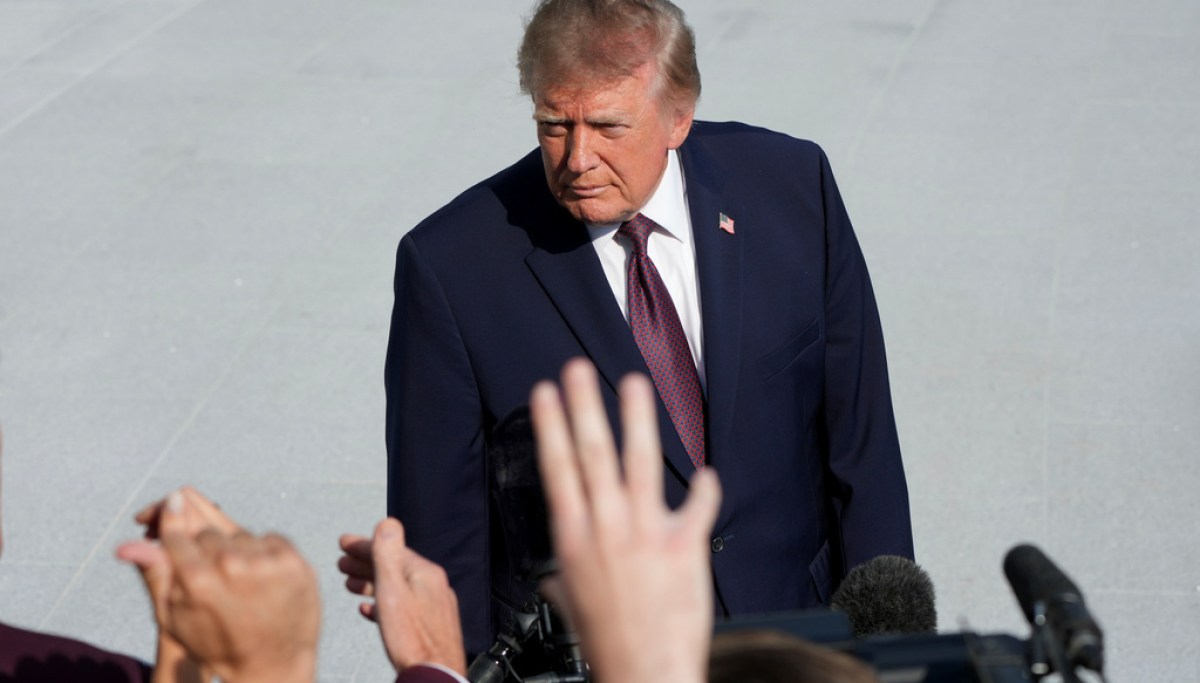
Cover image from slate.com, which was analyzed for this article
A New York Times/Siena poll showed Trump's approval sinking amid public fatigue with the Iran conflict and rising costs. Economic discontent is weighing on voter support.
PoliticalOS
Monday, May 18, 2026 — Politics
The poll records majority opposition to the Iran war and a 37 percent approval rating for Trump, yet Republican voters remain strongly supportive of continuing operations. Midterm prospects for the GOP have worsened while Democrats still register low overall satisfaction among voters.
What outlets missed
The poll showed 70 percent of Republicans still want military operations to resume if talks fail, a level of core support that received little attention outside the original survey release. No outlet detailed the specific nuclear-site targets struck since late February or any measurable progress reported by U.S. officials. The 27 percent of Republicans who oppose unilateral presidential war powers was noted only in passing and not compared with historical GOP positions on executive authority.
Voters now face higher energy prices and a Middle East conflict that most say was the wrong call. A New York Times/Siena poll conducted May 11-15 among 1,507 registered voters found President Trump’s approval rating at 37 percent, the lowest of his second term. Nearly two-thirds of respondents, including almost three-quarters of independents, said the decision to go to war with Iran was mistaken, and less than a quarter believed the conflict was worth the costs.
Gasoline prices have risen above $4.50 a gallon since operations began in late February, according to AAA data cited in the poll release. The share of voters rating the economy as poor climbed 11 points since January to nearly half. Sixty-four percent disapproved of Trump’s handling of the economy, while his approval on immigration remained steadier at 41 percent.
Republican voters largely back the military effort, with 70 percent favoring resumed operations if talks stall and 73 percent expecting success against Iran’s nuclear program. In contrast, 52 percent of all voters said Trump should not resume strikes without a deal, and 63 percent—including 27 percent of Republicans—said the president should not use force without congressional approval.
Democrats lead Republicans by 10 points in a hypothetical midterm ballot among registered voters. The party also shows an 18-point edge among independents. Democratic enthusiasm for voting runs eight points higher than Republican enthusiasm. Only 26 percent of voters expressed satisfaction with the Democratic Party overall.
Trump told reporters during the polling period that Americans’ financial situation did not factor into his thinking on the war. “I think about one thing: We cannot let Iran have a nuclear weapon,” he said. Structural advantages from redistricting give Republicans a projected edge of six to 10 House seats regardless of the national mood.
More in Politics

Federal Agents Search Omar Home in Ongoing Immigration Probe
Homeland Security agents searched the Minnesota Democrat's DC residence in a criminal probe, prompting accusations of political intimidation from Omar and Democratic leaders. Coverage spans left-leaning outlets like NPR, BBC, and The Guardian alongside right-leaning criticism from The Federalist and Daily Wire.

Trump Diesel Import Plan Draws Pushback Over Russia Ties
The weekend agreement drew bipartisan congressional pushback and criticism from Ukraine's Zelenskyy, with analysts downplaying US fuel price impacts. Right-leaning outlets like National Review, Dispatch, and Washington Examiner questioned its legality and effectiveness.

Independents Test Voter Appetite for Middle Ground in 2026 Midterms
Nearly 200 independents are running in competitive races as voters weigh ballot measures on housing costs in states like Massachusetts. Left-leaning coverage from NYT, NPR, and Guardian highlights turnout and key races while right outlets focus on GOP strategy.
Trump Rallies in Alaska, Ohio to Bolster GOP Senate Candidates
The president rallied in Wasilla for Sen. Dan Sullivan and faced empty seats at an Ohio event amid midterm concerns. Outlets across the spectrum covered the trips as signals of GOP vulnerability weeks before Election Day.
The Compass
You just read five takes on one story.
What's your take? Find your political shape in a few minutes.
Take the test