
Trump Assassination Attempt Suspect Pleads Not Guilty
Cover image from independent.co.uk, which was analyzed for this article
Cole Allen, charged with attempting to assassinate Trump at the White House Correspondents' Dinner, entered a not guilty plea. He faces life in prison; polls show skepticism among some Democrats about the attempt's authenticity. Case proceeds amid heightened security concerns.
PoliticalOS
Monday, May 11, 2026 — Politics
The case centers on a not-guilty plea and defense challenges to prosecutors who attended the event, while the government presents evidence of armed breach and prior planning. Readers should track whether recusal motions alter the prosecution team and how the court weighs the documented note and security footage.
What outlets missed
Most outlets omitted or only briefly noted the specific content of Allen’s pre-incident note to family members expressing intent to target administration officials, which multiple sources including NBC and court filings describe as evidence of premeditation. Few reported Allen’s professional background as a teacher and engineer or his sister’s statements to law enforcement about his radical comments and firearms training. The summary’s reference to polls showing Democratic skepticism about the attempt’s authenticity appeared in no provided coverage and could not be independently verified. Details on the exact sequence of the security breach, including Allen checking event coverage online minutes before, were inconsistently included or attributed.
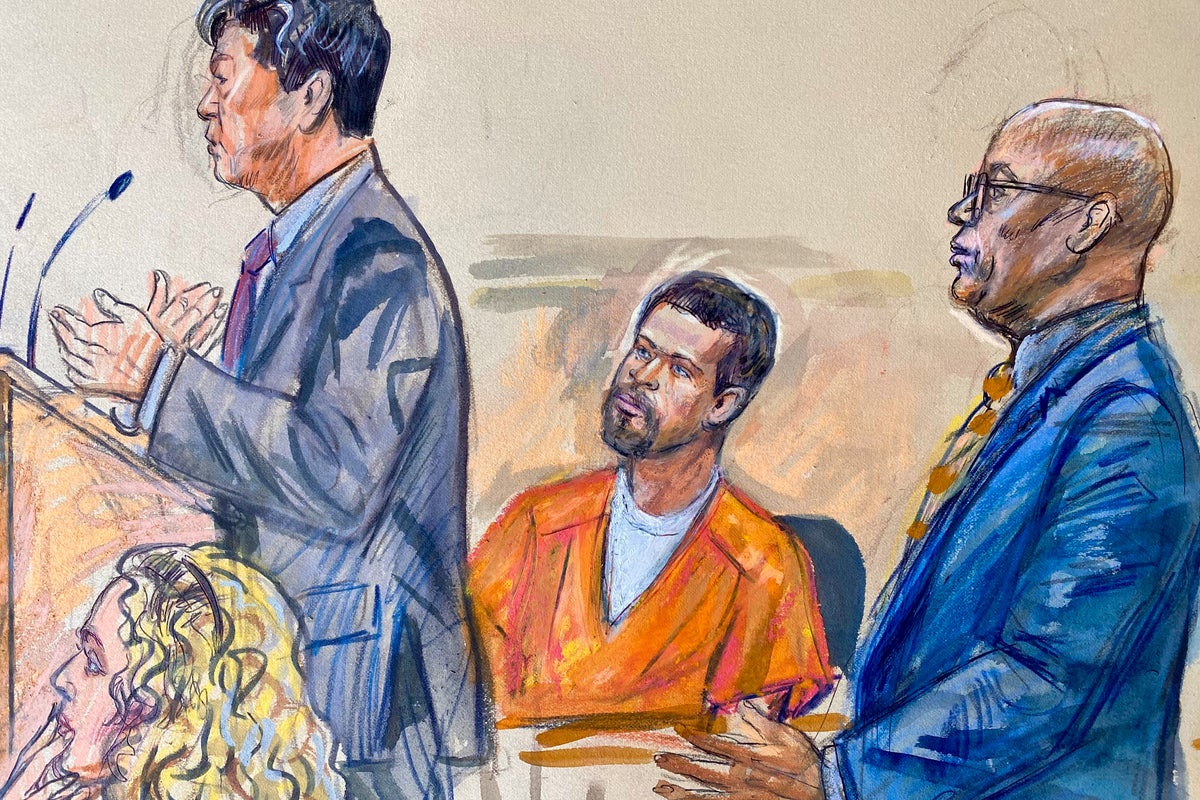
The legal process for a man accused of trying to kill President Donald Trump at a high-profile Washington event moved forward Monday when he entered a not guilty plea, setting up a case that tests both the strength of federal charges and potential conflicts in the prosecution team. Cole Tomas Allen, 31, of Torrance, California, appeared in U.S. District Court in Washington, D.C., wearing an orange jumpsuit and restrained at the wrists and waist. His attorney entered the plea on his behalf to four counts, including attempted assassination of the president, assault on a federal officer with a deadly weapon, and two firearms violations. The attempted assassination charge alone carries a possible life sentence. Allen did not speak during the brief hearing before Judge Trevor McFadden. Prosecutors allege that on April 25 or 26 at the Washington Hilton, Allen sprinted through a security checkpoint armed with a shotgun, handgun, and knives, then fired at a U.S. Secret Service agent during the White House Correspondents’ Association dinner. The agent was struck but protected by a ballistic vest and released after treatment. Trump, Vice President JD Vance, cabinet members, and other officials were evacuated as the event ended early. Allen’s defense team asked the court to disqualify Acting Attorney General Todd Blanche and U.S. Attorney Jeanine Pirro from the case, arguing their attendance at the dinner makes them potential victims or witnesses and creates an improper conflict. McFadden did not rule immediately and ordered further briefing, with responses due by June 22. Allen was indicted on the assault count after an initial complaint; he faces additional counts of transporting a firearm across state lines with intent to commit a felony and discharging a firearm during a violent crime. Court records and statements from prosecutors indicate Allen traveled from California to Washington by train and sent a note to family members shortly before the incident criticizing Trump administration officials as targets. Allen told FBI agents after his arrest that he did not expect to survive the encounter. He was briefly placed on suicide watch in jail. A June 29 status hearing is scheduled. The case unfolds against a backdrop of heightened security at political events and public debate over the incident’s details.
More in Politics

Federal Agents Search Omar Home in Ongoing Immigration Probe
Homeland Security agents searched the Minnesota Democrat's DC residence in a criminal probe, prompting accusations of political intimidation from Omar and Democratic leaders. Coverage spans left-leaning outlets like NPR, BBC, and The Guardian alongside right-leaning criticism from The Federalist and Daily Wire.

Trump Diesel Import Plan Draws Pushback Over Russia Ties
The weekend agreement drew bipartisan congressional pushback and criticism from Ukraine's Zelenskyy, with analysts downplaying US fuel price impacts. Right-leaning outlets like National Review, Dispatch, and Washington Examiner questioned its legality and effectiveness.

Independents Test Voter Appetite for Middle Ground in 2026 Midterms
Nearly 200 independents are running in competitive races as voters weigh ballot measures on housing costs in states like Massachusetts. Left-leaning coverage from NYT, NPR, and Guardian highlights turnout and key races while right outlets focus on GOP strategy.
Trump Rallies in Alaska, Ohio to Bolster GOP Senate Candidates
The president rallied in Wasilla for Sen. Dan Sullivan and faced empty seats at an Ohio event amid midterm concerns. Outlets across the spectrum covered the trips as signals of GOP vulnerability weeks before Election Day.
The Compass
You just read five takes on one story.
What's your take? Find your political shape in a few minutes.
Take the test