
Video Shows Suspect Casing Hotel, Breaching Security in Trump Assassination Attempt

Cover image from theintercept.com, which was analyzed for this article
Authorities released CCTV footage showing the suspect casing a hotel and breaching security before the attempted assassination. The incident fuels debates on security lapses and conspiracy theories. No link to gun control, per analysts.
PoliticalOS
Friday, May 1, 2026 — Politics
The released footage establishes that a lone individual with explicitly documented anti-Trump motives came dangerously close to the president at a major public event, confirming both real security vulnerabilities and the attack's authenticity. While conspiracy theories persist, the video, manifesto and rapid law enforcement response provide concrete counter-evidence that should temper speculation. The single most important understanding is that repeated attempts signal a toxic environment requiring improved protection protocols without sacrificing open political discourse.
What outlets missed
Most coverage omitted or minimized the suspect's detailed written communications, including the manifesto titled "Friendly Federal Assassin" and the family note declaring his duty to target Trump officials from highest to lowest; these were corroborated across DOJ releases, NBC, CBS and the New York Post but rarely integrated into analyses of motive or rhetoric debates. Outlets also underplayed that this was explicitly the third attempt on Trump in his current term, following the fatal Butler, Pennsylvania rally shooting and a golf course incident, diminishing the pattern's weight. The effective elements of the response, such as the immediate return of fire, the protective vest stopping injury and the absence of additional casualties or accomplices, received less attention than the breach itself. Finally, few reports noted analysts' consensus that the event had no discernible tie to gun control policy, leaving readers without that boundary on the story's implications.
Another attempt on President Donald Trump's life has crystallized deep national anxieties over political violence, institutional competence and eroding trust. At the White House Correspondents' Dinner on April 25, 2026, a gunman came close enough to fire on security before being tackled. The newly released CCTV footage, made public by federal prosecutors on April 30, captures both preparation and execution. It arrives as the third documented effort to harm Trump since he took office again, following a 2024 rally shooting in Butler, Pennsylvania, that killed an attendee and a separate golf course incident.
The videos, posted to X by U.S. Attorney for the District of Columbia Jeanine Pirro, show 31-year-old Cole Tomas Allen of Torrance, California, first on April 24 walking hallways at the Washington Hilton, entering an adjacent gym, speaking briefly with an attendant and taking what prosecutors described as a selfie in a room. The next evening, at 8:36 p.m., Allen appears wearing a long coat. He slips behind a doorway near a Secret Service checkpoint equipped with magnetometers on the floor above the ballroom where Trump, first lady Melania Trump, Vice President JD Vance and other officials were present. After an officer with a dog lingers nearby and moves on, Allen emerges holding a 12-gauge pump-action shotgun. One Secret Service officer draws immediately and fires at least three rounds. Allen also fires, striking an agent whose protective vest stopped the shotgun slug from causing serious injury, according to Pirro and Acting Attorney General Todd Blanche. Additional officers drew weapons. Allen was tackled on site. He carried a .38-caliber pistol, extra ammunition, knives and daggers. The shotgun had one spent shell.
Allen, a Caltech attendee who later earned a master's degree elsewhere and worked as a tutor and game developer with no prior criminal record, acted alone. Prosecutors say he sent a pre-attack message to family and a 1,052-word document titled "Friendly Federal Assassin" stating it was his "duty to target Trump administration officials" from highest to lowest. He reportedly noted that dinner guests were not the primary focus but that he would proceed through them if necessary. These communications, cited by the Department of Justice, NBC News and the New York Post, have been entered in federal charging documents that include attempted assassination of the president, interstate transport of a firearm and discharge of a firearm during a crime of violence. Allen waived his right to contest detention pending trial, though his counsel reserved future challenges.
The footage directly contradicts online claims of friendly fire, Pirro stated, showing Allen shooting first. It also undercuts theories that the entire event was staged, a narrative that spread rapidly on social media before full details emerged. Journalist Mike Rothschild, author of books on QAnon and the history of conspiracy theories, told one outlet that habitual distrust of authorities drives such speculation even when evidence surfaces quickly. The Intercept Briefing podcast noted similar patterns around other recent events, including missing scientists and a Georgia wildfire.
Security lapses remain under investigation. The checkpoint was partially dismantled when Allen struck. Questions persist about how an armed individual reached that proximity despite layered protection for a high-profile gathering of journalists and officials. Federal authorities have emphasized no evidence of accomplices. Analysts across outlets have found no connection between the incident and gun-control policy debates.
Reactions split along familiar lines. Rep. Jamie Raskin, D-Md., who attended the dinner, described chaos reminiscent of the January 6, 2021, Capitol breach, with attendees fearing an active shooter. In a subsequent CNN interview with Dana Bash, Raskin defended Democratic criticism of Trump administration policies as focused on actions rather than personal attacks, contrasting it with what he called Trump's habit of labeling opponents "crazy," "evil" or "stupid." White House press secretary Karoline Leavitt blamed "heated rhetoric" from several named Democrats, including House Minority Leader Hakeem Jeffries. The episode has renewed debate over whether sharp political language contributes to violence, though no direct causal link has been established by investigators.
The videos have not ended speculation. Some influencers dissected timestamps and angles seeking proof of orchestration. Others highlighted the speed of the breach as evidence of inadequate preparation by the Secret Service, now led by officials appointed in Trump's second term. Courtroom sketches released alongside the footage show Allen in detention. The full investigation by the FBI and Pirro's office continues, with prosecutors promising further updates.
What changed is tangible: a glamorous annual event ended in panic, an agent was shot at close range, and another visual record now exists of the persistent threat environment surrounding the president. The central unresolved tension is whether repeated near-misses reflect fixable security gaps, deeper societal fractures, or both, at a time when public confidence in official accounts has measurably declined.
More in Politics

Trump Rejects Iran's Seven-Day Hormuz Reopening Offer
President Trump dismissed Iran's offer to reopen the Strait of Hormuz in exchange for sanctions relief, calling it unacceptable amid ongoing Middle East tensions. The move follows indirect talks and is tied to midterm political calculations.
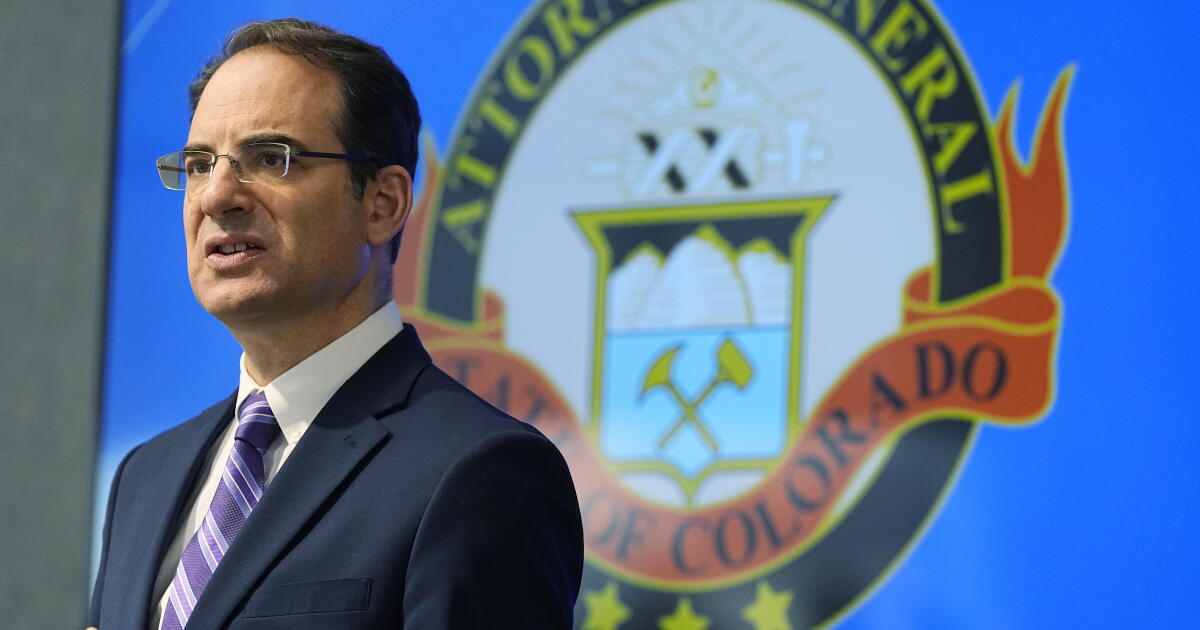
Democrats Outline Post-Midterm Oversight of Trump Administration
If Democrats win the midterms, expansive investigations into Trump, his family, and administration are planned, with impeachment as a possible tool.
White House Drops CNN from Air Force One Pool After Court Ruling
The Trump administration barred CNN from the presidential travel pool for a trip to Tennessee, escalating a dispute over media access despite a recent court order restoring some outlets' White House credentials. Left-leaning outlets framed it as a First Amendment crisis while right-leaning sources portrayed it as justified pushback against biased coverage.
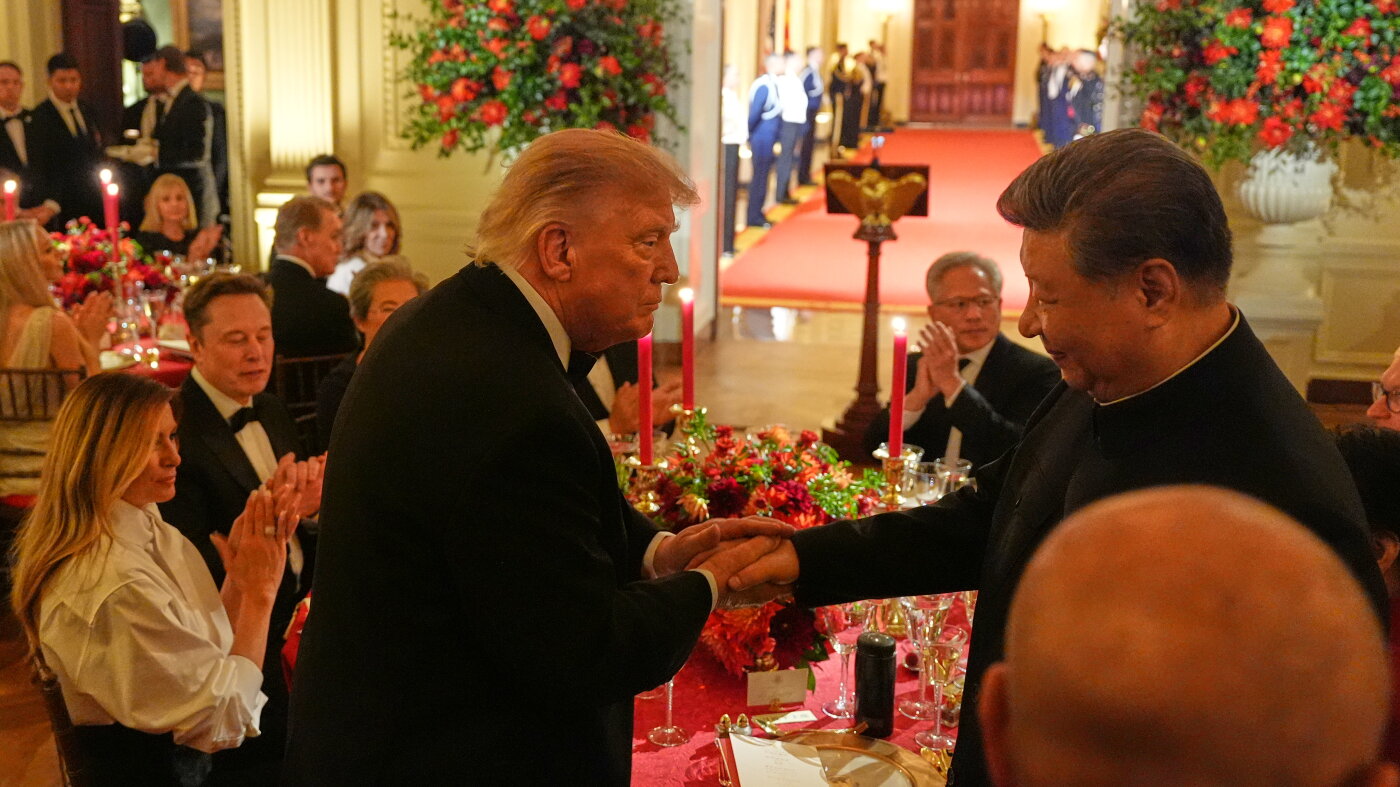
Trump Hosts Xi for State Dinner Focused on Pageantry Amid Trade and AI Strains
President Trump welcomed Chinese President Xi Jinping for high-profile talks on trade, tariffs, AI, and bilateral rivalry, featuring a White House tour and state dinner with tech executives. Coverage highlighted symbolic pomp over major breakthroughs, with both sides maintaining a cordial tone amid persistent tensions.
The Compass
You just read five takes on one story.
What's your take? Find your political shape in a few minutes.
Take the test