
Trump Meets Xi in Beijing Amid Trade, Iran and Taiwan Tensions
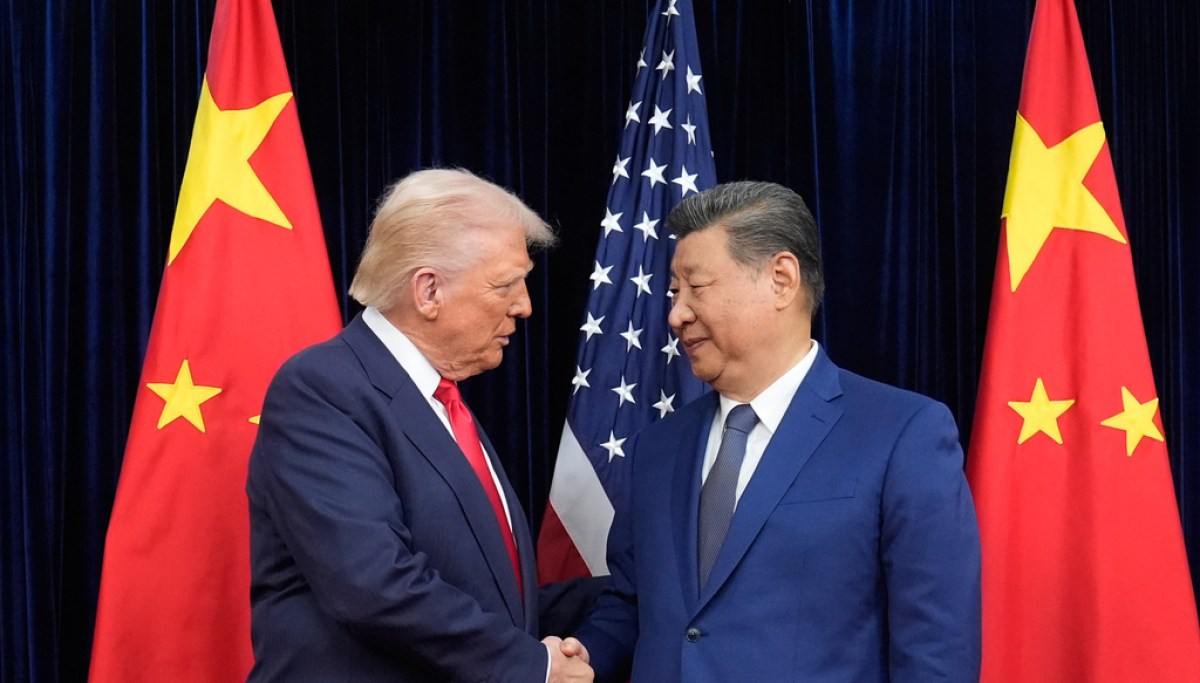
Cover image from washingtonexaminer.com, which was analyzed for this article
Trump travels to Beijing for high-stakes talks with Xi on trade, Taiwan, Iran support, and AI amid bilateral frictions. Tech CEOs including Elon Musk and Tim Cook accompany him, though Nvidia's Huang stays behind. The summit tests their relationship as Trump softens on China's system.
PoliticalOS
Tuesday, May 12, 2026 — Politics
The summit is primarily an effort to stabilize trade relations and manage immediate frictions over Iran and Taiwan rather than to achieve a sweeping new agreement. Trump’s personal rapport with Xi provides the main channel for modest deals on agriculture and aircraft, yet structural competition over technology and security remains unresolved.
What outlets missed
Most coverage omitted the precise sequence of the Iran conflict, including that U.S. and Israeli strikes preceded Iran’s closure of the Strait of Hormuz. Few outlets reported the exact scale of past commercial deals announced during Trump-Xi meetings or confirmed that no Supreme Court ruling on tariffs occurred in February. Several pieces also failed to note that Nvidia CEO Jensen Huang is not traveling with the delegation while other semiconductor executives are.
President Donald Trump arrives in Beijing on Tuesday for two days of meetings with Chinese President Xi Jinping, the first such visit by a sitting U.S. president in nearly nine years. The talks come at a moment when energy prices remain elevated worldwide because of the ongoing conflict involving Iran and the closure of the Strait of Hormuz, while both capitals seek to prevent further damage to already strained commercial ties.
White House officials have described the agenda as centered on restoring reciprocity in trade, securing Chinese purchases of U.S. agricultural goods and aircraft, and establishing channels to discuss artificial intelligence security. A delegation that includes Tesla chief Elon Musk, Apple CEO Tim Cook, BlackRock’s Larry Fink and Boeing CEO Kelly Ortberg will accompany Trump, signaling an emphasis on concrete commercial outcomes. China’s purchases of Iranian oil, which account for the large majority of Tehran’s exports, and Beijing’s recent directive instructing firms to disregard certain U.S. sanctions are also expected to feature.
Taiwan remains the most sensitive issue. Trump has said the topic “always comes up” and that he will discuss U.S. arms sales, which Beijing opposes. Administration officials have stated there will be no change in long-standing U.S. policy. Analysts at the Brookings Institution note that any shift in wording on Taiwan’s status would be closely watched by both sides.
The summit was originally planned for March but was postponed after the Iran conflict began. Expectations for sweeping agreements remain low. Officials on both sides have spoken instead of extending the existing trade truce reached last October in Busan and of creating bilateral mechanisms to manage future disputes over investment and technology exports. Rare-earth supply chains and possible limits on advanced chip sales are also on the table.
Trump has repeatedly described his personal relationship with Xi as strong, telling reporters he expects “great things” for both countries. Chinese officials have emphasized equality and mutual benefit while rejecting U.S. criticism of their Iran trade. The two leaders last met in person in October 2025.
More in Politics

Federal Agents Search Omar Home in Ongoing Immigration Probe
Homeland Security agents searched the Minnesota Democrat's DC residence in a criminal probe, prompting accusations of political intimidation from Omar and Democratic leaders. Coverage spans left-leaning outlets like NPR, BBC, and The Guardian alongside right-leaning criticism from The Federalist and Daily Wire.

Trump Diesel Import Plan Draws Pushback Over Russia Ties
The weekend agreement drew bipartisan congressional pushback and criticism from Ukraine's Zelenskyy, with analysts downplaying US fuel price impacts. Right-leaning outlets like National Review, Dispatch, and Washington Examiner questioned its legality and effectiveness.

Independents Test Voter Appetite for Middle Ground in 2026 Midterms
Nearly 200 independents are running in competitive races as voters weigh ballot measures on housing costs in states like Massachusetts. Left-leaning coverage from NYT, NPR, and Guardian highlights turnout and key races while right outlets focus on GOP strategy.
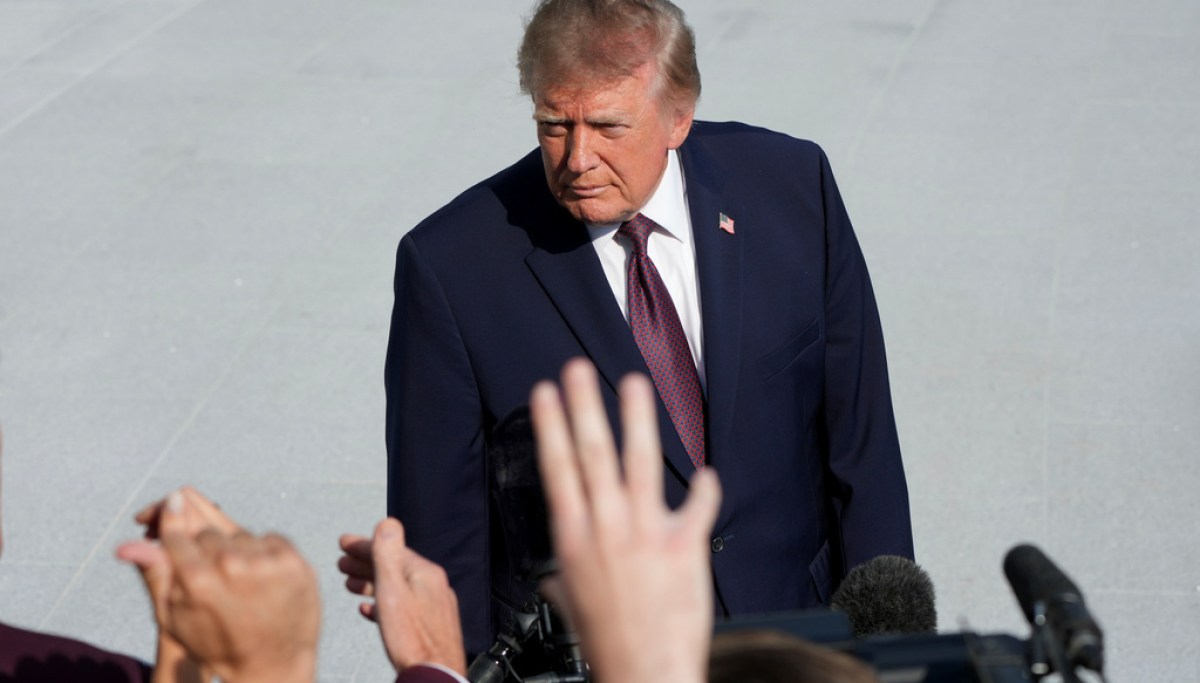
Trump Rallies in Alaska, Ohio to Bolster GOP Senate Candidates
The president rallied in Wasilla for Sen. Dan Sullivan and faced empty seats at an Ohio event amid midterm concerns. Outlets across the spectrum covered the trips as signals of GOP vulnerability weeks before Election Day.
The Compass
You just read five takes on one story.
What's your take? Find your political shape in a few minutes.
Take the test