
Trump Signals Possible Military Move on Cuba After Castro Indictment
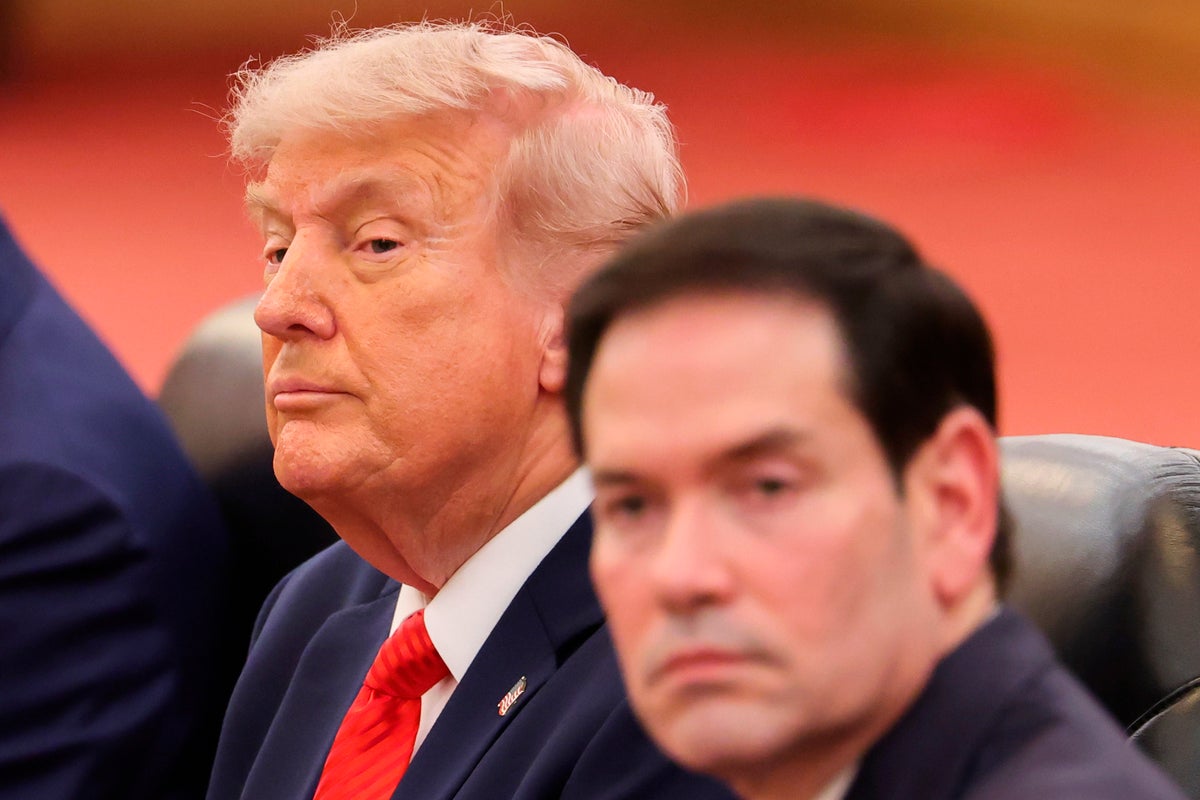
Cover image from independent.co.uk, which was analyzed for this article
President Trump renewed threats of military and economic measures against Cuba while questioning prospects for diplomacy. The moves have drawn international attention and domestic debate.
PoliticalOS
Friday, May 22, 2026 — Politics
The administration has paired an indictment over a 1996 incident with fresh sanctions and visible naval movements while stating a continued preference for negotiation that officials view as unlikely to succeed. Cuba rejects the charges as pretext and warns of bloodshed. The central unresolved question remains whether the current combination of legal, economic, and military signals will produce talks or further confrontation.
What outlets missed
Most coverage gave limited attention to the documented history of the 1996 flights crossing into Cuban airspace on prior occasions, a detail that could not be independently verified across the three outlets but appears in contemporaneous records. Specific activities cited by U.S. officials regarding Cuban intelligence cooperation with Russia and China received only passing reference and were not corroborated by additional reporting in these accounts. Mentions of U.S. offers of humanitarian assistance or economic reform packages, including potential Starlink access discussed in May 2026, were absent from the reviewed articles despite appearing in other contemporaneous dispatches.
Tensions between Washington and Havana have reached their sharpest point in years, raising the prospect of direct U.S. intervention in the Caribbean and further economic strain on an already fragile Cuban economy. The shift follows an indictment charging former Cuban leader Raúl Castro with ordering the 1996 downing of two civilian aircraft flown by Miami-based exiles, an event that killed four people. President Trump told reporters that prior administrations had considered action for decades, adding that it now appears he will be the one to act. Secretary of State Marco Rubio stated that a peaceful negotiated agreement remains the administration’s preference yet described the likelihood of success as low given the current Cuban government. Rubio also noted that Cuba has long relied on delaying tactics and that the present approach will not allow further postponement. The remarks coincided with the arrival of the USS Nimitz carrier strike group in the region for exercises that began in March, according to U.S. Southern Command. Federal prosecutors unsealed charges against the 94-year-old Castro on Wednesday, accusing him of murder and aircraft destruction tied to the Brothers to the Rescue incident. Cuban President Miguel Díaz-Canel called the indictment a political stunt intended to justify aggression. Rubio announced additional sanctions targeting GAESA, the military-run conglomerate that dominates large sectors of the Cuban economy, and reported the arrest of a GAESA executive’s sister whose green card was revoked. Administration officials have cited Cuba’s security and intelligence links with Russia and China as a core national-security concern. China’s Foreign Ministry responded by condemning external interference and affirming support for Cuban sovereignty. Kremlin spokesperson Dmitry Peskov warned against methods bordering on violence toward heads of state. Past administrations permitted family members of Cuban military figures to reside in the United States; Rubio said that practice has ended. Discussions of potential humanitarian measures, including aid offers, have occurred alongside the sanctions but have not produced agreement.
More in Politics

Federal Agents Search Omar Home in Ongoing Immigration Probe
Homeland Security agents searched the Minnesota Democrat's DC residence in a criminal probe, prompting accusations of political intimidation from Omar and Democratic leaders. Coverage spans left-leaning outlets like NPR, BBC, and The Guardian alongside right-leaning criticism from The Federalist and Daily Wire.

Trump Diesel Import Plan Draws Pushback Over Russia Ties
The weekend agreement drew bipartisan congressional pushback and criticism from Ukraine's Zelenskyy, with analysts downplaying US fuel price impacts. Right-leaning outlets like National Review, Dispatch, and Washington Examiner questioned its legality and effectiveness.

Independents Test Voter Appetite for Middle Ground in 2026 Midterms
Nearly 200 independents are running in competitive races as voters weigh ballot measures on housing costs in states like Massachusetts. Left-leaning coverage from NYT, NPR, and Guardian highlights turnout and key races while right outlets focus on GOP strategy.
Trump Rallies in Alaska, Ohio to Bolster GOP Senate Candidates
The president rallied in Wasilla for Sen. Dan Sullivan and faced empty seats at an Ohio event amid midterm concerns. Outlets across the spectrum covered the trips as signals of GOP vulnerability weeks before Election Day.
The Compass
You just read five takes on one story.
What's your take? Find your political shape in a few minutes.
Take the test