
Trump Approves Plan to Oust FDA Chief Makary Amid Vaping, Drug and Abortion Disputes

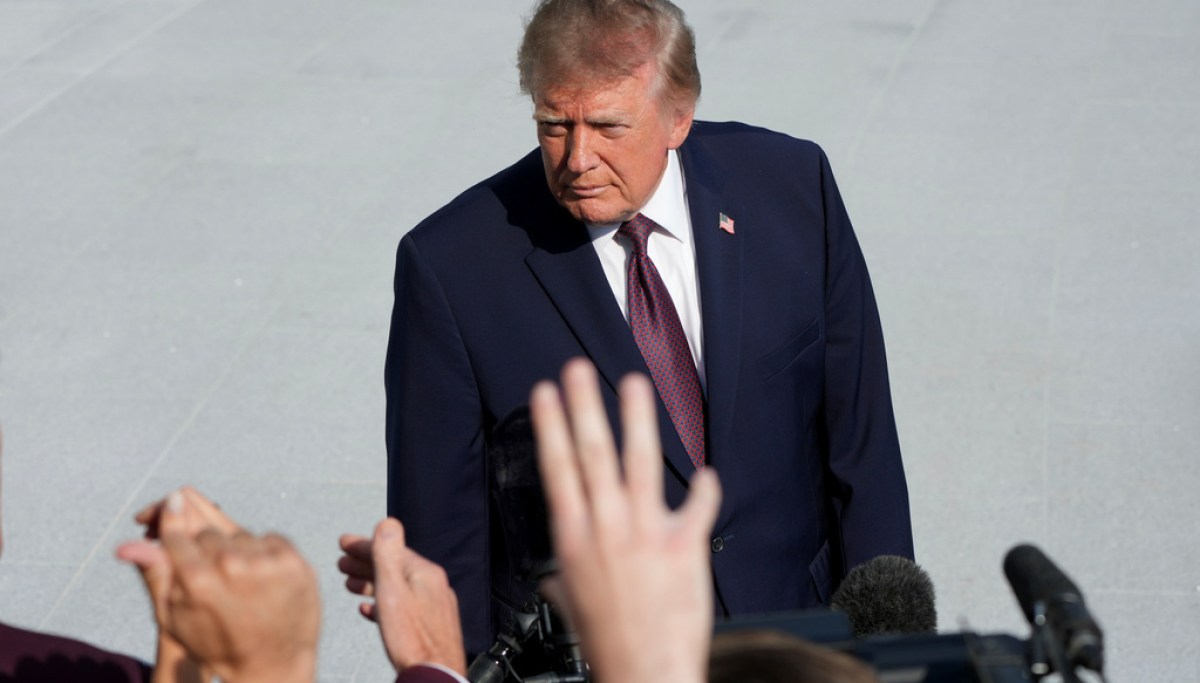
Cover image from independent.co.uk, which was analyzed for this article
Reports indicate President Trump intends to dismiss FDA Commissioner Marty Makary amid agency shakeups, linked to disputes over vaping, drug approvals, and vaccines. The move is part of broader efforts to overhaul federal health agencies. Critics warn of politicization, while supporters back aligning leadership with administration priorities.
PoliticalOS
Friday, May 8, 2026 — Politics
Trump's move against Makary crystallizes the friction between accelerating innovation, protecting public health on issues like youth vaping, and satisfying ideological demands on abortion and pharmaceuticals. The FDA now faces further leadership instability at a time when measurable progress on food safety and review speed sits alongside documented internal turmoil and unverified assertions about prior agency failures. Readers should recognize that no single outlet captured the full picture; the central tension remains whether evidence-based regulation can survive intense political cross-pressures.
What outlets missed
Most outlets emphasized the political clashes over vaping and abortion but downplayed Makary's concrete initiatives that received FDA verification, including the school lunch pilot showing 70-80% pesticide and 80-90% heavy metal reductions, the launch of a national priority voucher to cut drug review times, and the largest-ever infant formula contaminant testing that found overwhelmingly low levels of toxins. Coverage also largely omitted Makary's direct statements committing the FDA to a granular safety study on mifepristone, which he said would determine future regulatory steps. Internal leadership departures, such as longtime oncology chief Richard Pazdur citing management issues, appeared inconsistently and without full attribution to specific tenures or the cumulative effect of 2025 staff reductions. Finally, few pieces noted Makary's transparency reform of publicly posting complete FDA decision letters on both approvals and rejections, a step he argued directly counters past politicization.
Uncertainty now hangs over the agency Americans count on for everything from cancer therapies to the safety of their children's food. President Trump has signed off on a plan to remove FDA Commissioner Marty Makary, according to multiple reports citing administration officials. The move, first detailed by the Wall Street Journal on May 8, 2026, is not yet final and could still shift, but it caps 14 months of growing friction inside federal health leadership.
At the center of the tension sits one unresolved question: can the FDA pursue faster approvals and what Makary calls "gold standard science" while satisfying White House priorities on vaping access, abortion pill oversight and biotech innovation? Makary, a Johns Hopkins surgeon confirmed in March 2025, aligned himself with Health Secretary Robert F. Kennedy Jr.'s Make America Healthy Again agenda. He pushed to phase out petroleum-based food dyes, launched a school lunch pilot that FDA reports confirmed cut pesticides by 70 to 80 percent, and shortened some drug review times from a year to one or two months. He also ordered the largest-ever infant formula contaminant testing, which found low or undetectable levels of lead, mercury and PFAS.
Yet those steps did not resolve deeper clashes. The White House pressed Makary to approve fruit-flavored vaping products from manufacturer Glas. He initially resisted over concerns the blueberry and mango varieties would appeal to underage users, according to people familiar with the discussions. The FDA eventually authorized them in recent weeks, the first such fruit flavors cleared for sale, complete with age-verification requirements. Public health groups warned the decision could reverse years of declining youth vaping rates.
Anti-abortion organizations, including Susan B. Anthony Pro-Life America, criticized Makary for approving a generic version of mifepristone in 2025 and for what they described as insufficient action to restrict its access after the Dobbs decision. The group called the expansion "unconscionable." Makary told The Daily Wire in an exclusive interview that the FDA has now committed to a detailed safety study on the drug that will inform next steps; that study has not been publicly announced on the FDA website. Former Vice President Mike Pence amplified calls for stronger measures.
Biotechnology companies and rare-disease advocates complained that the agency under Makary rejected multiple applications for treatments targeting Huntington's disease, certain cancers and other conditions. Makary defended the decisions as grounded in career scientists' assessments that the drugs lacked sufficient evidence of effectiveness. He introduced public posting of complete response letters to increase transparency, arguing the public deserves to know why therapies fail. "If the drug works, it gets approved," he said in the interview.
The tenure also saw significant internal strain. Reports from STAT News and MedPage Today documented high leadership turnover, including the departure of longtime cancer drug regulator Richard Pazdur, multiple acting heads in the drug evaluation office, and effects from broader staff reductions. Patient groups described delays and "unnecessary hoops" for rare-disease therapies. Makary countered that he inherited a mess, noting that in the year before his arrival China conducted four times as many phase-one trials as the United States; that specific ratio could not be independently verified in public data from other outlets.
White House spokesman Kush Desai responded to questions by stating that "President Trump has assembled the most experienced and talented administration in history, an administration that continues to focus on delivering more historic victories for the American people." Makary did not comment on the ouster reports. If he departs, the FDA would join the CDC, the Surgeon General's office and the agency's own vaccine division in lacking permanent leadership.
The disputes reflect larger crosscurrents. Makary positioned the agency against Big Food and Big Pharma while accelerating pathways for terminal or rare-disease drugs that bypass certain randomized trials. He restored what he termed basic science after what he called Biden-era politicization, citing the approval of COVID vaccines for healthy children against some scientists' recommendations; no public records confirm an explicit overruling of FDA scientists on that issue. Supporters say his approach restores rigor. Critics from both parties argue it has produced paralysis in places and subordinated evidence to politics.
One fact stands beside another. The same commissioner who delivered measurable reductions in school lunch contaminants also faced simultaneous pressure from tobacco donors, pro-life activists and biotech investors. The resulting friction has left the FDA's direction unsettled at a moment when public trust in science remains near historic lows. Any successor will inherit the same unresolved tension between speed, safety and competing ideological demands.
More in Politics

Federal Agents Search Omar Home in Ongoing Immigration Probe
Homeland Security agents searched the Minnesota Democrat's DC residence in a criminal probe, prompting accusations of political intimidation from Omar and Democratic leaders. Coverage spans left-leaning outlets like NPR, BBC, and The Guardian alongside right-leaning criticism from The Federalist and Daily Wire.

Trump Diesel Import Plan Draws Pushback Over Russia Ties
The weekend agreement drew bipartisan congressional pushback and criticism from Ukraine's Zelenskyy, with analysts downplaying US fuel price impacts. Right-leaning outlets like National Review, Dispatch, and Washington Examiner questioned its legality and effectiveness.

Independents Test Voter Appetite for Middle Ground in 2026 Midterms
Nearly 200 independents are running in competitive races as voters weigh ballot measures on housing costs in states like Massachusetts. Left-leaning coverage from NYT, NPR, and Guardian highlights turnout and key races while right outlets focus on GOP strategy.
Trump Rallies in Alaska, Ohio to Bolster GOP Senate Candidates
The president rallied in Wasilla for Sen. Dan Sullivan and faced empty seats at an Ohio event amid midterm concerns. Outlets across the spectrum covered the trips as signals of GOP vulnerability weeks before Election Day.
The Compass
You just read five takes on one story.
What's your take? Find your political shape in a few minutes.
Take the test