
Navy Secretary Phelan Removed as US Maintains Iran Blockade
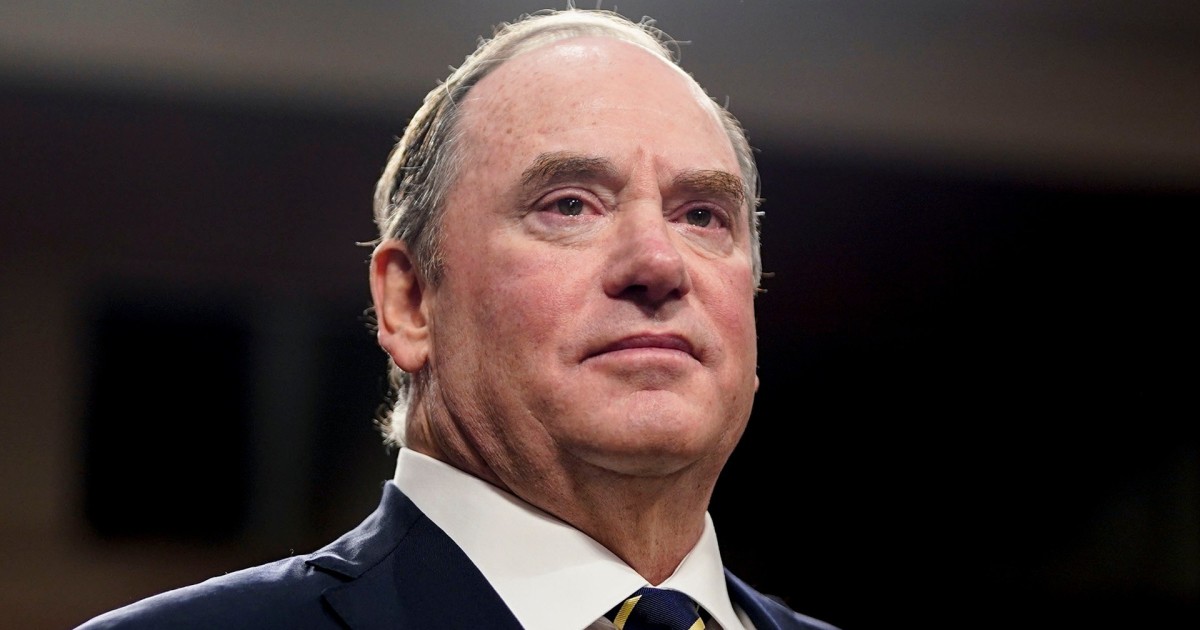
Cover image from today.com, which was analyzed for this article
Navy Secretary John Phelan was removed effective immediately as part of Trump administration shakeups during the critical Hormuz crisis. Pentagon denies long mine clearance timelines, but leadership change raises questions on strategy. Outlets note ties to broader personnel purges.
PoliticalOS
Thursday, April 23, 2026 — Politics
The removal of Navy Secretary John Phelan stems primarily from documented policy and management disagreements with Defense Secretary Pete Hegseth over naval shipbuilding and modernization priorities, not operational failures in the Strait of Hormuz. It forms part of routine high-level Pentagon turnover under the current administration and is unlikely to directly affect ongoing naval blockade activities, though it adds to questions about leadership continuity. Readers should focus on the administrative nature of the role and cross-check ceasefire status and specific strategic disputes rather than assume crisis from headline phrasing alone.
What outlets missed
Most coverage downplayed or omitted the specific strategic disagreement over shipbuilding priorities: Phelan's emphasis on large manned battleships versus Hegseth's reported preference for unmanned vessels, stealth aircraft, submarines and electronic warfare systems, as detailed by naval analyst Bryan Clark. Outlets also underplayed the administration's framing of these and related changes as merit-based performance reviews rather than personal purges. The full background on acting secretary Hung Cao, including his 25 years of service, unsuccessful Senate runs and public statements favoring aggressive warfighting culture, received limited treatment outside specialized reports. Finally, precise details on the April 7 ceasefire timeline, mutual ship seizures by both sides, and the Navy secretary's purely administrative (non-operational) role were often blurred to heighten drama around "wartime" instability.
As American warships continue enforcing a blockade in the Strait of Hormuz amid a fragile ceasefire with Iran, the Trump administration has removed Navy Secretary John Phelan from his post. The move, effective immediately on April 22, 2026, comes at a moment when the Navy oversees operations that have included ship seizures and responses to Iranian actions in a vital oil chokepoint. Pentagon spokesman Sean Parnell announced the departure in a brief statement, expressing gratitude for Phelan's service and wishing him well, with Undersecretary Hung Cao stepping in as acting secretary.
The reasons trace to months of policy and management clashes. Multiple outlets report that Phelan, a billionaire investor and major Trump campaign donor with no prior military experience, differed with Defense Secretary Pete Hegseth and Deputy Secretary Stephen Feinberg over the pace of shipbuilding reforms and the direction of naval modernization. Phelan had championed the "Golden Fleet" initiative, including new "Trump-class" battleships, and at times bypassed Pentagon leadership by taking proposals directly to the president, according to officials cited by the Wall Street Journal and New York Times. These tensions built on earlier friction, including Hegseth's dismissal of Phelan's chief of staff last fall. The Navy secretary role focuses on administration, budgeting, recruiting and long-term force development rather than direct operational command, so the change is not expected to alter current deployments, though it could complicate efforts to replenish missile stocks depleted by recent activity.
Phelan had served 13 months since his March 2025 confirmation. His background as a Florida-based fund manager and Trump fundraiser drew praise from the president at a December 2025 event announcing the new ship class. Yet those same ties fueled internal friction. Cao, the incoming acting leader, is a 25-year Navy veteran, former Republican Senate candidate and vocal critic of certain military diversity initiatives. The removal fits a wider pattern of Pentagon personnel shifts under Hegseth. These include the April departure of Army Chief of Staff Gen. Randy George and earlier changes to the Joint Chiefs that began in 2025. Administration officials have described some of these moves in merit-based terms during performance reviews, though several outlets highlighted anonymous accounts of policy disagreements instead.
The timing overlaps with tense Iran-related operations. A ceasefire took effect around April 7 and was extended, yet incidents persist. The US has seized vessels linked to Iran, prompting Tehran to call them acts of "piracy" and respond by capturing ships of its own. One-fifth of global oil trade passes through the strait in normal times. Polls cited across coverage show majority American disapproval of the broader conflict, which began with US-Israeli strikes in February. Senator Jack Reed, the top Democrat on the Armed Services Committee, called the dismissal troubling, warning it sends the wrong signal to sailors, allies and adversaries at a time when naval forces are stretched. No public statement from Phelan was available; his office deferred to the Pentagon.
Questions remain about long-term impact on Navy readiness and whether the change accelerates Hegseth's preferred shift toward unmanned systems, submarines and cyber capabilities over traditional surface fleets. The episode underscores unresolved tension between loyalty to the president's vision and the demands of managing a service with a $263 billion annual budget and global responsibilities.
More in Politics

Federal Agents Search Omar Home in Ongoing Immigration Probe
Homeland Security agents searched the Minnesota Democrat's DC residence in a criminal probe, prompting accusations of political intimidation from Omar and Democratic leaders. Coverage spans left-leaning outlets like NPR, BBC, and The Guardian alongside right-leaning criticism from The Federalist and Daily Wire.

Trump Diesel Import Plan Draws Pushback Over Russia Ties
The weekend agreement drew bipartisan congressional pushback and criticism from Ukraine's Zelenskyy, with analysts downplaying US fuel price impacts. Right-leaning outlets like National Review, Dispatch, and Washington Examiner questioned its legality and effectiveness.

Independents Test Voter Appetite for Middle Ground in 2026 Midterms
Nearly 200 independents are running in competitive races as voters weigh ballot measures on housing costs in states like Massachusetts. Left-leaning coverage from NYT, NPR, and Guardian highlights turnout and key races while right outlets focus on GOP strategy.
Trump Rallies in Alaska, Ohio to Bolster GOP Senate Candidates
The president rallied in Wasilla for Sen. Dan Sullivan and faced empty seats at an Ohio event amid midterm concerns. Outlets across the spectrum covered the trips as signals of GOP vulnerability weeks before Election Day.
The Compass
You just read five takes on one story.
What's your take? Find your political shape in a few minutes.
Take the test