
Trump-Backed Letlow Tops Louisiana Senate Primary After Cassidy Defeat

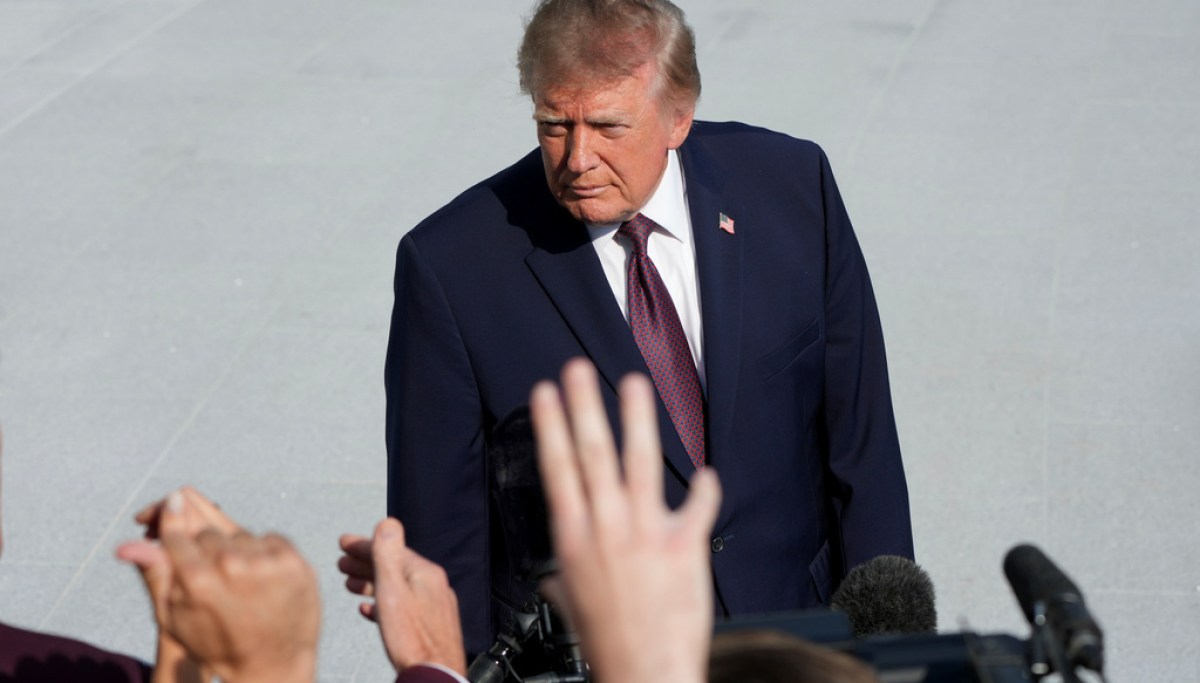
Cover image from foxnews.com, which was analyzed for this article
Cassidy's defeat is viewed as a warning to other Republicans who defy Trump. Party figures note the political cost of opposing the former president's agenda ahead of midterms.
PoliticalOS
Sunday, May 17, 2026 — Politics
Cassidy’s primary defeat illustrates the concrete electoral cost Republicans now face for recorded opposition to Trump, while the simultaneous pressure on Massie and Boebert shows the reach of that pressure into House races. The June runoff and Kentucky primary will test whether Trump’s preferred candidates consolidate support or split the same voter base.
What outlets missed
Most coverage omitted Cassidy’s specific 2021 impeachment vote as the documented trigger for Trump’s sustained criticism, leaving readers without the recorded Senate roll call that preceded the primary challenge. Few outlets detailed the closed-primary rule change in Louisiana or the $1 million in outside spending tied to health-policy disputes. Coverage also underplayed Cassidy’s continued ability, as a lame duck, to affect nominations through the HELP Committee in a narrowly divided Senate.
Republican voters in Louisiana delivered a clear signal on Saturday that opposition to Donald Trump carries a steep price inside the party. Sen. Bill Cassidy finished third in the GOP primary and will not advance, leaving Rep. Julia Letlow and state Treasurer John Fleming to compete in a June runoff for the seat. The outcome follows Cassidy’s 2021 Senate vote to convict Trump in his second impeachment trial and underscores the former president’s continued sway over primary voters.
Letlow, who received Trump’s endorsement, led the field while Fleming placed second. Cassidy had relied on a large campaign fund and crossover support from non-Republican voters, but those advantages proved insufficient once the primary was closed to party members only. Trump posted on Truth Social that Cassidy’s “disloyalty to the man who got him elected is now a part of legend,” while Cassidy, in his concession remarks, said insults from people lacking “character and integrity” did not bother him.
The same evening Trump expanded his focus to Rep. Thomas Massie of Kentucky, urging voters to defeat him in Tuesday’s primary and labeling him “the worst and most unreliable Republican Congressman.” Trump also threatened to withdraw his endorsement of Rep. Lauren Boebert after she campaigned with Massie, though filing deadlines in Colorado had already closed. Sen. Lindsey Graham told NBC’s Meet the Press that Cassidy’s loss showed “there’s no room in this party to destroy” Trump’s agenda.
Letlow benefited from Trump-aligned spending, including $1 million from the Make America Healthy Again PAC, which cited Cassidy’s resistance to certain Trump health nominees. Louisiana Gov. Jeff Landry also backed Letlow and supported changes that limited Cassidy’s access to Democratic-leaning voters. Pre-runoff polling showed Letlow ahead of Fleming, though both candidates now compete for the same Trump-aligned electorate.
Cassidy continues to serve as a lame-duck senator and chairs the Senate HELP Committee, where he has already blocked several nominees. His defeat leaves other Republicans weighing the electoral risks of crossing Trump before the midterm elections.
More in Politics

Federal Agents Search Omar Home in Ongoing Immigration Probe
Homeland Security agents searched the Minnesota Democrat's DC residence in a criminal probe, prompting accusations of political intimidation from Omar and Democratic leaders. Coverage spans left-leaning outlets like NPR, BBC, and The Guardian alongside right-leaning criticism from The Federalist and Daily Wire.

Trump Diesel Import Plan Draws Pushback Over Russia Ties
The weekend agreement drew bipartisan congressional pushback and criticism from Ukraine's Zelenskyy, with analysts downplaying US fuel price impacts. Right-leaning outlets like National Review, Dispatch, and Washington Examiner questioned its legality and effectiveness.

Independents Test Voter Appetite for Middle Ground in 2026 Midterms
Nearly 200 independents are running in competitive races as voters weigh ballot measures on housing costs in states like Massachusetts. Left-leaning coverage from NYT, NPR, and Guardian highlights turnout and key races while right outlets focus on GOP strategy.
Trump Rallies in Alaska, Ohio to Bolster GOP Senate Candidates
The president rallied in Wasilla for Sen. Dan Sullivan and faced empty seats at an Ohio event amid midterm concerns. Outlets across the spectrum covered the trips as signals of GOP vulnerability weeks before Election Day.
The Compass
You just read five takes on one story.
What's your take? Find your political shape in a few minutes.
Take the test