
Trump's Immigration Court Overhaul and ICE Tactics Draw Due Process Fire
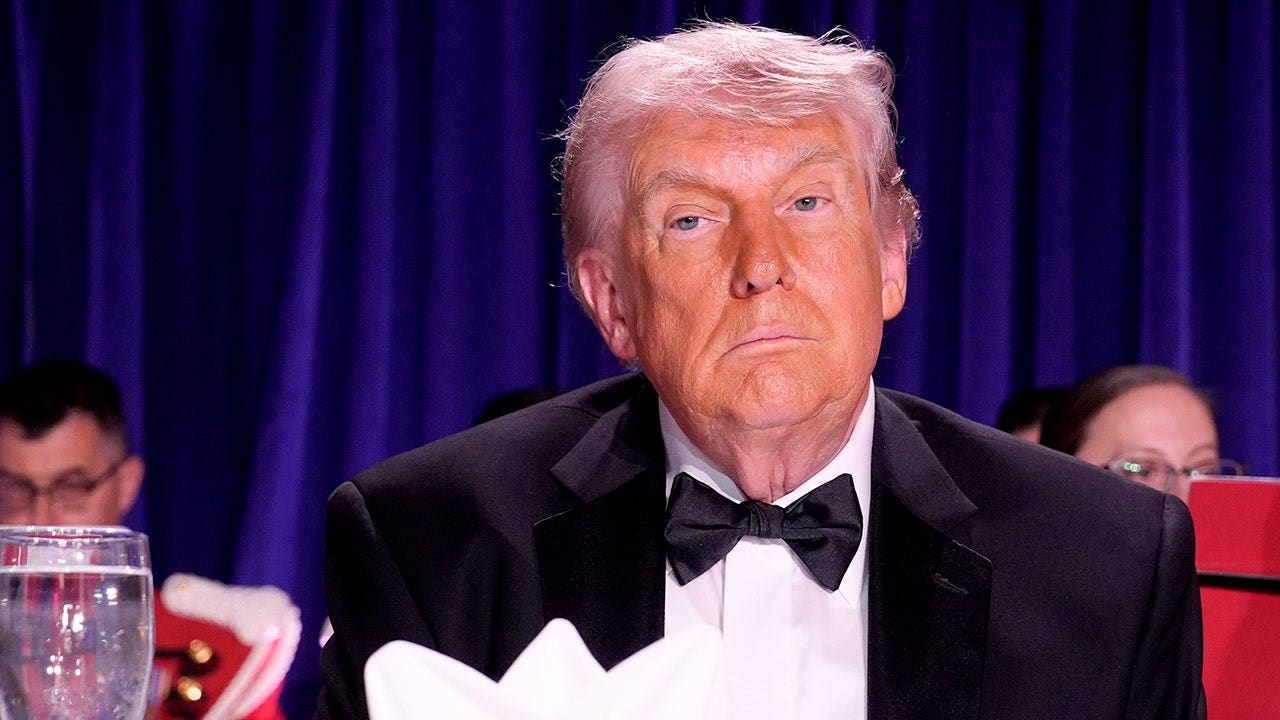
Cover image from foxnews.com, which was analyzed for this article
Trump installs numerous inexperienced judges in immigration courts after short training to expedite asylum and deportations. Critics cite brutal ICE treatment of children and lawyer-judge conflicts. Proposal to rebrand ICE as NICE floated.
PoliticalOS
Monday, April 27, 2026 — Politics
The Trump administration is accelerating immigration enforcement and court processing to address a multimillion-case backlog and prioritize criminal removals, but the abbreviated judge training, visible ICE tactics and effects on children have generated credible concerns about due process and community trust. Many dramatic anecdotes contain contextual details or discrepancies that require cross-checking against DHS, ACLU and court records rather than any single narrative. The single most important reality is that efficiency gains and humanitarian impacts are now in direct tension, with long-term outcomes still undetermined by independent data.
What outlets missed
Most outlets underplayed the immigration court backlog, which surpassed 3 million cases by the end of 2025 according to Syracuse University's TRAC data, supplying essential context for why both parties had previously discussed hiring surges. Criminal or security contexts for several highlighted child-involved incidents, including alleged gang ties, weapons threats or cartel-linked gambling operations, received minimal coverage outside Fox and DHS statements. The probationary status of many dismissed judges, a standard federal personnel practice rather than unprecedented purge, was rarely explained. Coverage of the NICE proposal treated it alternately as policy or meme without consistently noting its origin in an anonymous X post rather than any formal administration plan. Finally, the fact that all new judges remain licensed attorneys, even without immigration specialization, was seldom juxtaposed against experience-gap critiques.
Children in immigrant neighborhoods are watching federal agents detain parents, teachers and peers. Some end up detained themselves. These encounters, multiplied across cities from Boise to Portland to Memphis, coincide with a sweeping administration effort to clear millions of backlogged immigration cases through rapid hiring of new judges and intensified enforcement. The central tension is unresolved: whether speed and volume in deportation proceedings can coexist with thorough due process and minimal trauma to minors who witness or experience the system firsthand.
The immigration courts faced a backlog exceeding 3 million cases by late 2025, according to data from the Transactional Records Access Clearinghouse at Syracuse University. The Trump administration responded with personnel changes. A Washington Post investigation detailed the appointment of more than 140 new immigration judges since January. Two-thirds listed no immigration law experience in their biographies. Only 24 percent had prior work with the Department of Homeland Security, ICE or the courts themselves. Training for these judges was cut from five weeks to three. Recruits received offers of signing bonuses up to 25 percent in certain states, the option to work from home, and in some cases permission to moonlight while retaining day jobs, with salaries reaching $207,500.
More than 100 sitting judges were fired, with a similar number retiring or resigning. Many of those dismissed were still within a standard two-year probationary window. The Justice Department recruitment materials described the roles as "deportation judges" tasked with restoring "integrity and honor" to the system. Kerry Doyle, who served as ICE principal legal advisor during the prior administration, told the Post the changes appeared aimed at creating "a malleable workforce that will do what they want without question." A separate account from military lawyer Christopher Day, who reportedly served briefly as a judge before writing a letter to Congress criticizing the training as "completely inadequate and highly biased," could not be independently verified in other major reporting.
These court changes run parallel to expanded ICE field operations. Cooperative agreements between local law enforcement and ICE under the 287(g) program have increased sharply. Some agencies have withdrawn, citing damaged community trust. Others have accepted federal incentives to participate. Slate compiled multiple accounts of children exposed to these operations. In Boise, the ACLU filed suit after an April raid, alleging that 60 children were pulled from vehicles, held at gunpoint with military-grade weapons, sprayed with plastic bullets and zip-tied so tightly their wrists bled. An email from the acting ICE field office director thanked participating local agencies, stating the raid "wouldn't have been possible without everyone here." Other reporting framed the Boise action as part of a joint FBI-ICE probe into illegal gambling with possible cartel connections; the precise level of force used specifically against children could not be independently verified across outlets.
Additional incidents followed similar patterns. In Portland, an agent reportedly told police "Send someone over, or I'm gonna shoot this kid" after a youth banged on an ICE vehicle; details on the individual's age and gender varied between accounts. In Everett, Massachusetts, a 13-year-old was taken into custody after a school threat incident that local and DHS reports linked to alleged weapons and gang concerns, then held for three months before self-deporting. A Chicago day care arrest of a teacher occurred in front of preschoolers; witness descriptions differed on whether the action involved tackling or restraint after the individual attempted to flee. In Memphis, students organized a walkout after witnessing increased patrols and a classmate's detention. A 16-year-old from Milford, Massachusetts, described being removed from his father's car during an operation targeting the parent. Marcelo Gomes da Silva told state legislators that such events were fostering anger among youth not only toward ICE but toward any uniformed officer perceived as cooperating.
A December 2025 UCLA IDEA report found immigrant youth faced bullying in 35 percent of surveyed schools and noted enforcement-related absenteeism exceeding 70 percent in some districts. Two suicides of girls ages 11 and 13 in North Carolina and Texas were attributed by families to harassment over immigration status. One Florida police chief told Slate that visible ICE tactics had undermined years of community policing efforts: once residents see agents yanking children from cars, trust in any uniform erodes. Several departments, including those led by Philadelphia Sheriff Rochelle Bilal, Chicago Police Chief Larry Snelling and others in Minnesota and Pennsylvania, have declined further 287(g) participation, arguing their primary duty is to local communities and the Constitution.
On the enforcement results side, ICE has publicized arrests of noncitizens with prior convictions for child sex crimes, methamphetamine trafficking and other offenses. One case involved an individual accused of biting a three-year-old girl's face at a Texas park. The administration has emphasized these outcomes as evidence that operations target public safety threats rather than random profiling.
Separately, President Trump amplified an online suggestion to rename ICE as National Immigration and Customs Enforcement, or NICE. In a Truth Social post he shared and endorsed a screenshot from X stating the change would force media to refer to "NICE agents" daily. Trump responded with "GREAT IDEA!!! DO IT." The White House rapid response account reposted it. Progressive Democrats, including Rep. Pramila Jayapal, have continued calls to abolish ICE entirely, arguing the agency terrorizes communities, detains U.S. citizens in error and allows deaths in custody.
The administration has not detailed a formal rebranding process, and coverage diverges on whether the NICE episode represents policy signaling or social media trolling. Immigration lawyers and advocates have raised conflict-of-interest concerns about judges who continue private deportation-related work. The broader pace of appointments and case completions has increased deportation numbers, though precise nationwide figures remain in flux across reporting.
What emerges is a system under pressure from both volume and velocity. The backlog grew steadily across multiple administrations. Current changes address that reality while generating fresh allegations that training shortcuts and enforcement visibility inflict lasting damage on children and community relations with law enforcement. Those trade-offs lack a settled metric. Court records, DHS data and independent trackers such as the American Immigration Council will determine over time whether the recalibration delivers finality without sacrificing fundamental fairness.
More in Politics

Federal Agents Search Omar Home in Ongoing Immigration Probe
Homeland Security agents searched the Minnesota Democrat's DC residence in a criminal probe, prompting accusations of political intimidation from Omar and Democratic leaders. Coverage spans left-leaning outlets like NPR, BBC, and The Guardian alongside right-leaning criticism from The Federalist and Daily Wire.

Trump Diesel Import Plan Draws Pushback Over Russia Ties
The weekend agreement drew bipartisan congressional pushback and criticism from Ukraine's Zelenskyy, with analysts downplaying US fuel price impacts. Right-leaning outlets like National Review, Dispatch, and Washington Examiner questioned its legality and effectiveness.

Independents Test Voter Appetite for Middle Ground in 2026 Midterms
Nearly 200 independents are running in competitive races as voters weigh ballot measures on housing costs in states like Massachusetts. Left-leaning coverage from NYT, NPR, and Guardian highlights turnout and key races while right outlets focus on GOP strategy.
Trump Rallies in Alaska, Ohio to Bolster GOP Senate Candidates
The president rallied in Wasilla for Sen. Dan Sullivan and faced empty seats at an Ohio event amid midterm concerns. Outlets across the spectrum covered the trips as signals of GOP vulnerability weeks before Election Day.
The Compass
You just read five takes on one story.
What's your take? Find your political shape in a few minutes.
Take the test