
Trump Warns Iran as Nuclear Talks Stall and Blockade Holds
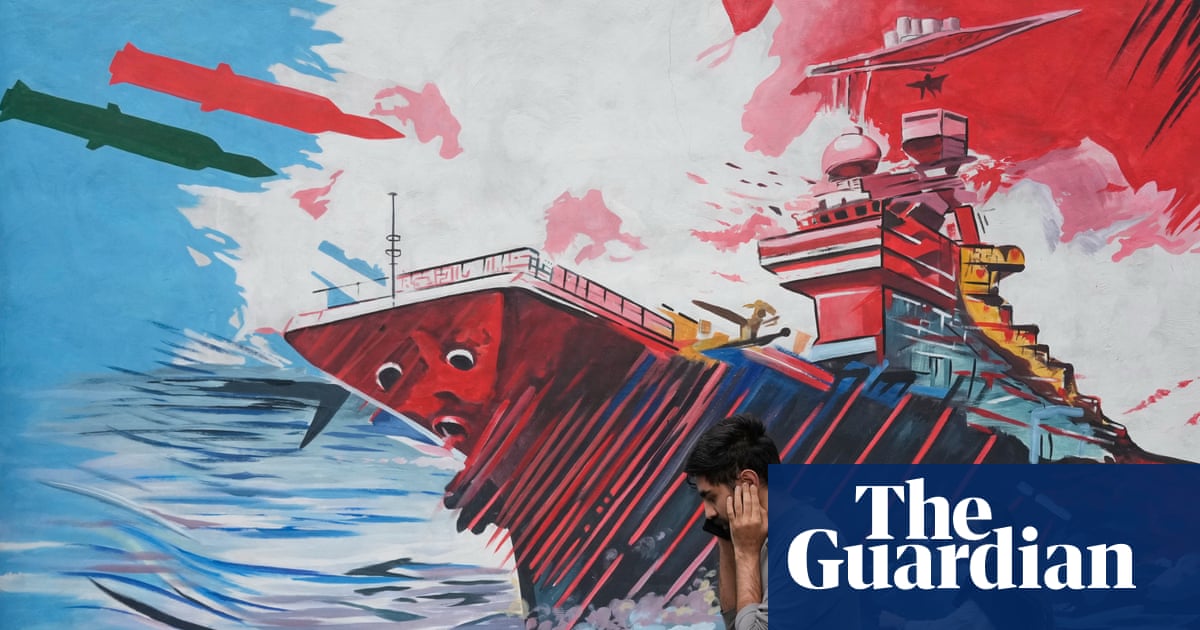
Cover image from theguardian.com, which was analyzed for this article
President Trump issued fresh warnings that 'the clock is ticking' for Iran amid stalled nuclear talks and a fragile ceasefire. Rhetoric intensified with threats of US action while Tehran asserted control over the Strait of Hormuz.
PoliticalOS
Monday, May 18, 2026 — Politics
The core standoff centers on control of buried nuclear material and sanctions relief under an active naval blockade. Without verified progress on either side’s core conditions, the risk of resumed strikes and further oil-market shocks remains the central unresolved pressure point.
What outlets missed
Most outlets omitted the precise terms of Iran’s latest counter-offer delivered via Pakistani mediators, including demands for compensation and asset unfreezing. Few detailed the technical status of buried uranium or satellite monitoring capabilities cited by U.S. officials. Coverage also underplayed reactions from Gulf states on drone incidents and the exact mechanics of the U.S. ship-interdiction policy beyond Iranian ports.
Global oil markets face renewed pressure as the United States maintains a naval blockade of Iranian ports and President Trump renewed demands for concessions on Tehran’s nuclear program. The warning came after talks collapsed following roughly 21 hours of meetings in Pakistan, leaving a fragile April ceasefire in place but with no agreement on enriched uranium or sanctions relief.
Trump posted on Truth Social that the clock is ticking for Iran and that the country must move fast or face severe consequences. Iranian officials responded through state media that their forces stand ready to counter any renewed strikes, while a senior Revolutionary Guard figure warned that attempts to enforce the blockade on non-Iranian ports would meet resistance. The Strait of Hormuz, which carries about one-fifth of world oil shipments, remains effectively closed to most Iranian traffic.
U.S. Senator Lindsey Graham urged creation of a restricted zone around known nuclear sites to prevent retrieval of material buried after earlier airstrikes. Iranian state outlets described a recent counter-proposal that included compensation, asset releases, and recognition of sovereignty over the strait; the United States rejected it after reviewing only the opening sentence, according to remarks Trump made aboard Air Force One. Oil prices rose toward $111 per barrel for Brent crude as traders assessed the risk of wider disruption.
Domestic protests inside Iran have continued amid economic strain, with the rial trading near 1.4 million to the dollar, though casualty figures from security-force responses remain disputed across monitoring groups. Russia and China have offered limited diplomatic channels, while European voices expressed concern over any resumption of strikes on energy infrastructure. No independent verification has confirmed direct causation between U.S. pressure and the scale of recent unrest.
More in Politics

Federal Agents Search Omar Home in Ongoing Immigration Probe
Homeland Security agents searched the Minnesota Democrat's DC residence in a criminal probe, prompting accusations of political intimidation from Omar and Democratic leaders. Coverage spans left-leaning outlets like NPR, BBC, and The Guardian alongside right-leaning criticism from The Federalist and Daily Wire.

Trump Diesel Import Plan Draws Pushback Over Russia Ties
The weekend agreement drew bipartisan congressional pushback and criticism from Ukraine's Zelenskyy, with analysts downplaying US fuel price impacts. Right-leaning outlets like National Review, Dispatch, and Washington Examiner questioned its legality and effectiveness.

Independents Test Voter Appetite for Middle Ground in 2026 Midterms
Nearly 200 independents are running in competitive races as voters weigh ballot measures on housing costs in states like Massachusetts. Left-leaning coverage from NYT, NPR, and Guardian highlights turnout and key races while right outlets focus on GOP strategy.
Trump Rallies in Alaska, Ohio to Bolster GOP Senate Candidates
The president rallied in Wasilla for Sen. Dan Sullivan and faced empty seats at an Ohio event amid midterm concerns. Outlets across the spectrum covered the trips as signals of GOP vulnerability weeks before Election Day.
The Compass
You just read five takes on one story.
What's your take? Find your political shape in a few minutes.
Take the test