
Trump Cancels Iran Strikes Over Deal Claim; Tehran Denies Final Pact
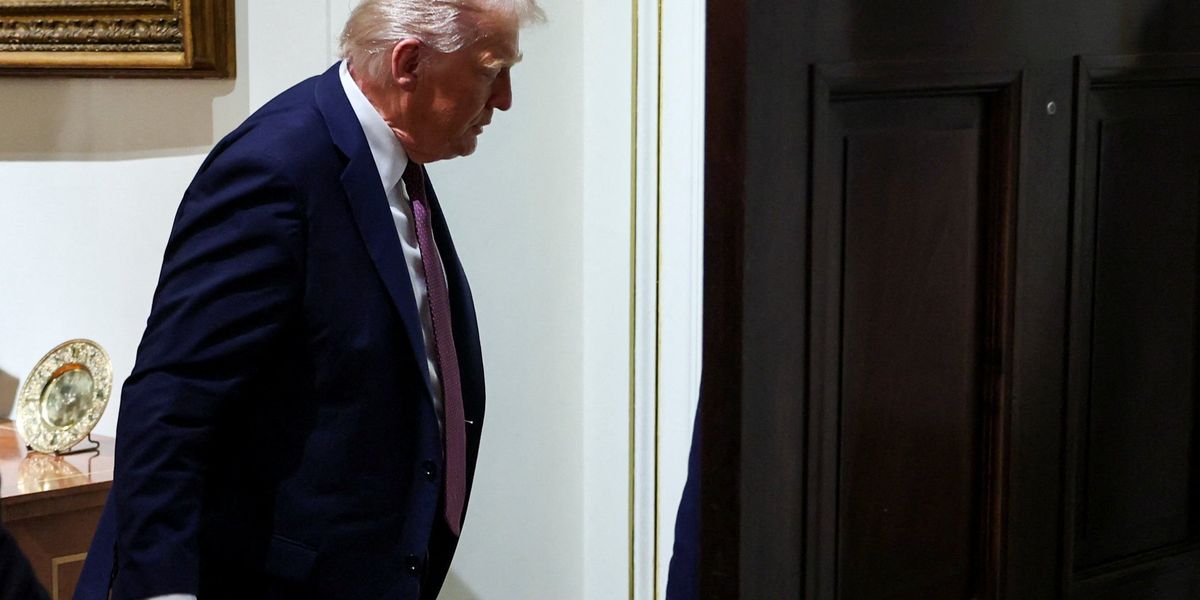
Cover image from rawstory.com, which was analyzed for this article
President Trump touted a potential agreement to end conflict with Iran, reopen Strait of Hormuz and prevent nuclear weapon. Iran stated no deal finalized yet following recent strikes.
PoliticalOS
Friday, June 12, 2026 — Politics
Trump announced an approved framework and halted strikes, yet Iranian officials immediately stated that no final decision exists. The core dispute over whether a memorandum has been reached remains unresolved and will determine whether the cease-fire holds or fighting resumes.
What outlets missed
Several reports omitted the precise sequence of Iranian actions on June 10-11 that preceded Trump's Kharg Island threat. No outlet supplied independent confirmation of the $300 billion reconstruction figure cited from Iranian state media. Coverage rarely included the documented 44 percent rise in U.S. gasoline prices to $4.30 per gallon and the associated $29 billion consumer cost tied to the strait closure. The role of specific mediators from Qatar, Pakistan, and the UAE in the final hours received uneven detail across accounts.
Trump's Iran Threats Spark GOP Revolt Over War Costs and Risks
Republicans in Congress are pushing back against President Donald Trump's latest moves on Iran, with several lawmakers questioning the wisdom of deeper involvement after threats to seize key oil facilities gave way to claims of an imminent deal. The back-and-forth has left even longtime allies uneasy, as gas prices remain elevated and memories of past Middle East entanglements surface.
Sen. John Kennedy of Louisiana, usually a reliable supporter, warned that the situation echoes the early stages of the Vietnam War. He pointed to the economic strain already hitting American households through higher energy costs. Rep. Nick LaLota of New York said he opposes sending ground troops and suggested Congress might need to vote against authorizing further action. These comments emerged after Trump threatened strikes on Kharg Island, Iran's main oil export hub, only to cancel planned attacks hours later.
Trump announced on social media that discussions had reached Iran's top leadership and that final points of an agreement had been approved by all parties. He said strikes scheduled for that evening were off and hinted at a signing ceremony possibly in Europe. Vice President JD Vance was mentioned as a potential attendee. Trump later told supporters at a virtual rally that the war was effectively ended and that Iran had agreed never to pursue nuclear weapons.
Iranian officials quickly dismissed the announcements as speculation. Foreign Ministry spokesman Esmaeil Baghaei said Tehran was still reviewing a proposal but would not compromise on its red lines. Iranian media reported that no final decision had been reached, and parts of the text under discussion remained unsettled. This followed two days of renewed exchanges that tested a fragile ceasefire.
The episode highlights the challenges of managing a conflict that has already lasted three months. Oil prices dropped sharply on news of canceled strikes, falling below $88 a barrel at one point as hopes grew for reopened shipping lanes. Yet the relief came after months of higher costs tied to tensions around the Strait of Hormuz. Lawmakers facing midterm voters have noted rising inflation and energy expenses as key concerns back home.
Military preparations had advanced to within hours of new strikes before the order was reversed, according to reports. Targets focused on surveillance and defense sites rather than the oil infrastructure Trump had publicly mentioned. Legal experts have raised questions about earlier strikes on water facilities in Iran, arguing they may not qualify as legitimate military objectives under international rules.
Trump's pattern of announcing breakthroughs has repeated several times since spring, often followed by Iranian denials. Critics within his party worry the approach risks repeating costly mistakes from earlier decades, where initial pressure campaigns expanded into prolonged commitments. The current uncertainty leaves the Naval Blockade in place while talks continue, with no confirmed timeline for any agreement.
For voters watching gas pumps and grocery bills, the priority remains avoiding another open-ended conflict that drains resources without clear gains. Republican dissenters are making that case more openly as the situation evolves.
You just read America First's take. Want to read what actually happened?
More in Politics
Polls Show Democratic Edges in Pennsylvania House Races Amid Kansas Senate Strain
Early voting began in key states with Democrats showing edges in House races and Trump barnstorming to defy headwinds as forecasters highlight competitive battlegrounds.

Trump Defends Ramaswamy Ad Using Estranged Mother in Ohio Race
President Trump defended a GOP nominee's ad featuring a Democratic opponent's estranged mother, calling it powerful, while drawing criticism from some Republicans including Ohio Gov. Mike DeWine. The ad has sparked internal GOP tensions ahead of midterms.
Federal Raid Targets Omar Amid Unresolved Name and Marriage Allegations
Agents searched Rep. Ilhan Omar's DC residence over immigration fraud allegations; she called it bizarre. Reports and commentary questioned her birth name and past marriage details.

Supreme Court Upholds New Hampshire Student ID Voting Ban
The Supreme Court upheld New Hampshire's ban on student IDs as valid voter identification just before midterms, affecting a tight Senate race.
The Compass
You just read five takes on one story.
What's your take? Find your political shape in a few minutes.
Take the test