
Trump Cancels Iran Strikes Over Deal Claim; Tehran Denies Final Pact
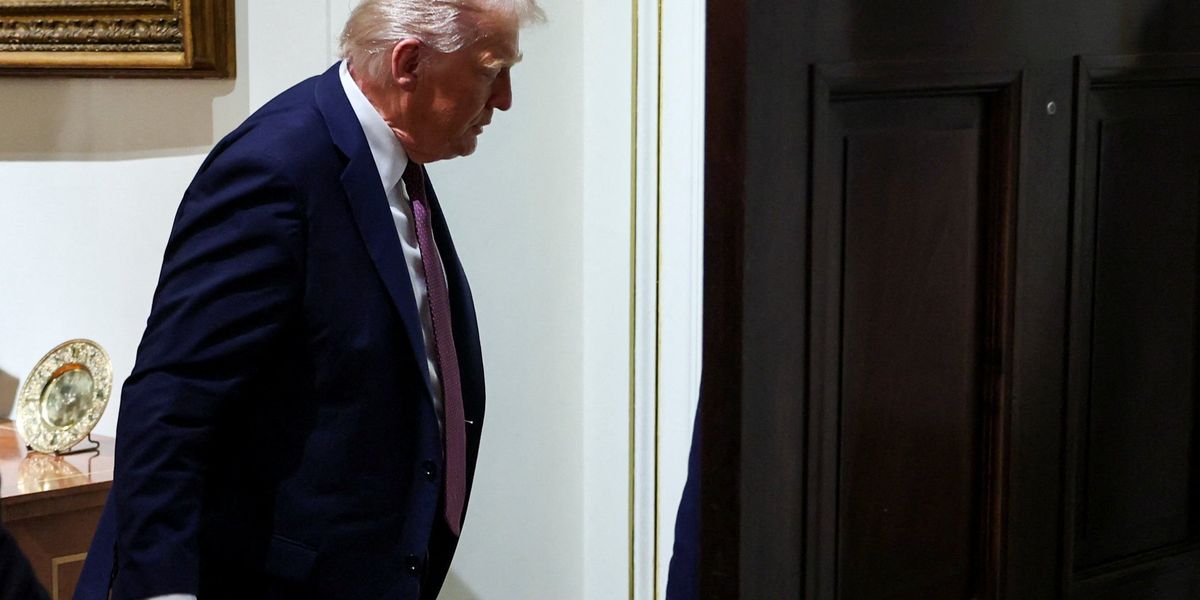
Cover image from rawstory.com, which was analyzed for this article
President Trump touted a potential agreement to end conflict with Iran, reopen Strait of Hormuz and prevent nuclear weapon. Iran stated no deal finalized yet following recent strikes.
PoliticalOS
Friday, June 12, 2026 — Politics
Trump announced an approved framework and halted strikes, yet Iranian officials immediately stated that no final decision exists. The core dispute over whether a memorandum has been reached remains unresolved and will determine whether the cease-fire holds or fighting resumes.
What outlets missed
Several reports omitted the precise sequence of Iranian actions on June 10-11 that preceded Trump's Kharg Island threat. No outlet supplied independent confirmation of the $300 billion reconstruction figure cited from Iranian state media. Coverage rarely included the documented 44 percent rise in U.S. gasoline prices to $4.30 per gallon and the associated $29 billion consumer cost tied to the strait closure. The role of specific mediators from Qatar, Pakistan, and the UAE in the final hours received uneven detail across accounts.
Trump's Iran Threats Yield to Unverified Deal Claims as GOP Voices Grow Restless
President Donald Trump abruptly canceled planned U.S. strikes on Iran late Thursday, asserting that a framework agreement to end the conflict had reached the highest levels of Iranian leadership and could be finalized within days. Iranian officials immediately cast doubt on that account, describing any announcement of a completed deal as speculation and stressing that no final decision had been reached.
The reversal came hours after Trump warned that American forces would hit Iran “very hard” and would eventually seize Kharg Island, the country’s main oil export terminal. Military units had already received orders and were preparing munitions for a third consecutive night of attacks when the operation was called off, according to reports from NBC News. The targets under consideration resembled those struck the previous evening, focused on surveillance, communications and air-defense sites rather than energy infrastructure.
Iran’s foreign ministry spokesperson said large portions of a proposed memorandum had been negotiated but added that Tehran would not compromise on its defined red lines. The statement left unclear whether Supreme Leader Mojtaba Khamenei had endorsed any text. Markets reacted to the mixed signals by pushing Brent crude prices down more than 3 percent, reaching lows not seen since early March, on hopes that the Strait of Hormuz might reopen soon.
The rapid shift from escalation to claimed breakthrough has unsettled some Republican lawmakers who had already begun to question the administration’s approach. Representative Nick LaLota of New York said he would not support ground troops and left open the possibility of backing a congressional vote to limit further involvement. Senator John Kennedy of Louisiana, a consistent Trump supporter, expressed worry about the trajectory, warning that the pattern resembled the early stages of the Vietnam War and noting the strain already visible in household energy costs.
Those costs have become a central preoccupation for Republicans facing midterm voters. Gasoline prices and broader inflation measures have risen again in recent weeks, and several lawmakers privately faulted White House messaging for failing to explain how the conflict serves clear national interests. The economic pressure has intensified the political risk for a party that had hoped to campaign on domestic priorities.
The episode also underscores the difficulty of verifying diplomatic progress in real time. Trump has announced imminent agreements on multiple occasions since the conflict began more than three months ago, only for Iranian statements to contradict those claims. Leaked details of the latest draft circulated by Iranian media include substantial reconstruction financing and cash transfers, provisions that analysts say would represent a significant concession from Washington’s stated objectives.
Oil markets have priced in the possibility of de-escalation, yet physical shipments through the strait remain constrained and U.S. forces continue to enforce a naval blockade. Whether the latest diplomatic channel produces a durable pause or merely another temporary reprieve will depend on whether both sides can bridge remaining gaps over nuclear limits, sanctions relief and regional proxy activity. For now, the gap between presidential declarations and Iranian confirmations remains wide.
You just read Liberal's take. Want to read what actually happened?
More in Politics
Polls Show Democratic Edges in Pennsylvania House Races Amid Kansas Senate Strain
Early voting began in key states with Democrats showing edges in House races and Trump barnstorming to defy headwinds as forecasters highlight competitive battlegrounds.

Trump Defends Ramaswamy Ad Using Estranged Mother in Ohio Race
President Trump defended a GOP nominee's ad featuring a Democratic opponent's estranged mother, calling it powerful, while drawing criticism from some Republicans including Ohio Gov. Mike DeWine. The ad has sparked internal GOP tensions ahead of midterms.
Federal Raid Targets Omar Amid Unresolved Name and Marriage Allegations
Agents searched Rep. Ilhan Omar's DC residence over immigration fraud allegations; she called it bizarre. Reports and commentary questioned her birth name and past marriage details.

Supreme Court Upholds New Hampshire Student ID Voting Ban
The Supreme Court upheld New Hampshire's ban on student IDs as valid voter identification just before midterms, affecting a tight Senate race.
The Compass
You just read five takes on one story.
What's your take? Find your political shape in a few minutes.
Take the test