
Trump Cancels Iran Strikes Over Deal Claim; Tehran Denies Final Pact
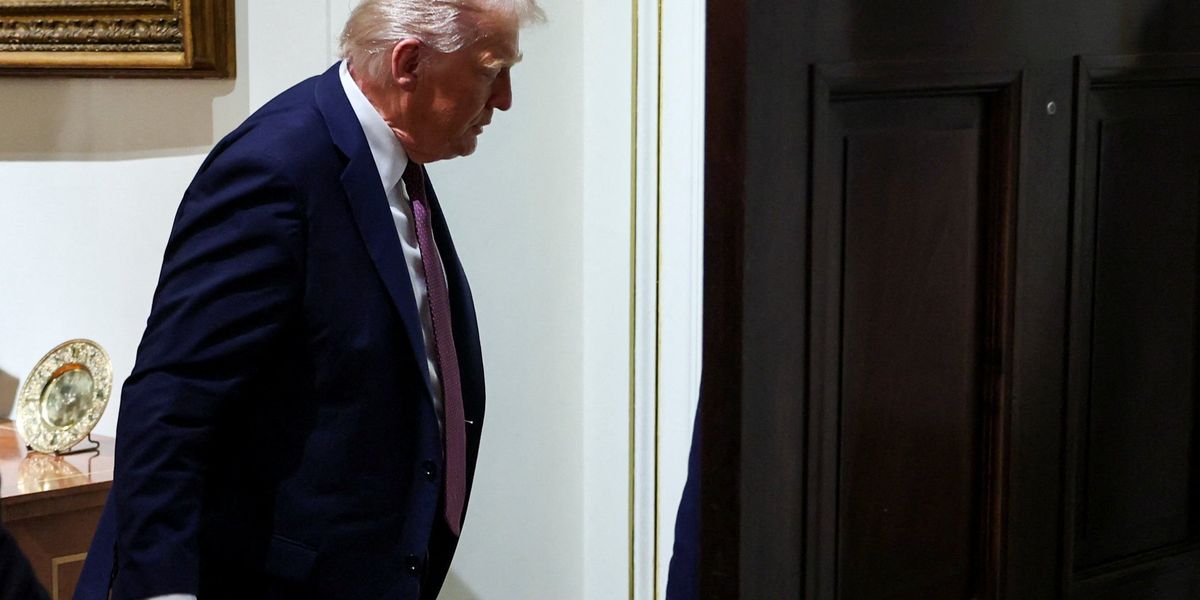
Cover image from rawstory.com, which was analyzed for this article
President Trump touted a potential agreement to end conflict with Iran, reopen Strait of Hormuz and prevent nuclear weapon. Iran stated no deal finalized yet following recent strikes.
PoliticalOS
Friday, June 12, 2026 — Politics
Trump announced an approved framework and halted strikes, yet Iranian officials immediately stated that no final decision exists. The core dispute over whether a memorandum has been reached remains unresolved and will determine whether the cease-fire holds or fighting resumes.
What outlets missed
Several reports omitted the precise sequence of Iranian actions on June 10-11 that preceded Trump's Kharg Island threat. No outlet supplied independent confirmation of the $300 billion reconstruction figure cited from Iranian state media. Coverage rarely included the documented 44 percent rise in U.S. gasoline prices to $4.30 per gallon and the associated $29 billion consumer cost tied to the strait closure. The role of specific mediators from Qatar, Pakistan, and the UAE in the final hours received uneven detail across accounts.
Republicans Sound Alarm as Trump Swings From Iran Threats to Dubious Deal Claims
Donald Trump spent Thursday toggling between vows of punishing new strikes on Iran and announcements that a peace agreement was all but sealed, a sequence that left allies and adversaries alike scrambling and prompted open dissent from Republican lawmakers on Capitol Hill.
Hours after the president warned that U.S. forces would hit Iran “very hard” and threatened to seize Kharg Island, a vital oil export terminal, he reversed course and canceled planned attacks, claiming on social media that “final points” of an accord had been approved at the highest levels in Tehran. Iranian officials quickly pushed back, describing the reports as speculation and insisting no final decision had been reached. Foreign Ministry spokesman Esmaeil Baghaei said large sections of a proposed memorandum remained under review and that Iran would not compromise on its core red lines.
The abrupt shift exposed deepening unease within Trump’s own party. Several Senate and House Republicans voiced alarm over the prospect of deeper involvement, with some warning that the conflict was already driving up gas prices and inflation at a politically damaging moment. Representative Nick LaLota of New York said he opposed sending U.S. troops into another ground war, while Senator John Kennedy of Louisiana, a frequent Trump ally, likened the situation to the early stages of the Vietnam conflict and noted the economic strain on American households. Other lawmakers privately expressed concern that continued escalation could hurt their prospects in the November midterms.
Military planners had been preparing for a third night of strikes when the order was rescinded, according to reports citing U.S. officials. The targets were expected to focus on surveillance, communications and air defense sites rather than the oil infrastructure Trump had publicly flagged. The episode underscored how close the two sides came to renewed fighting after weeks of tit-for-tat exchanges that have already killed thousands and disrupted shipping through the Strait of Hormuz.
Iranian state media and independent outlets reported that any agreement under discussion could include substantial financial incentives for Tehran, including reconstruction funds and the release of frozen assets. Analysts described such terms as potentially embarrassing for an administration that had promised maximum pressure. One former intelligence official told MSNBC that the leaked framework appeared closer to an extension of talks than a decisive victory for Washington.
Oil markets reacted sharply to the mixed signals, with Brent crude falling below $88 a barrel at one point on Friday as traders bet on a possible reopening of the strait. The price drop followed weeks of volatility that had pushed costs above $110 earlier in the crisis. Asian and European equities also rose on hopes that the latest diplomatic overture might hold.
Even so, legal questions lingered over previous U.S. strikes, including attacks on civilian water infrastructure in southern Iran that experts said could violate international rules on targeting. Iranian officials continued to stress that any deal must preserve their missile program and regional influence, positions that have repeatedly complicated past negotiations.
For now, the naval blockade remains in place and no signing ceremony has been scheduled. Trump told supporters at a virtual rally that the war was effectively over and that Iran had agreed never to pursue nuclear weapons, yet Tehran’s silence left the claim unverified. The pattern of bold pronouncements followed by Iranian denials has repeated itself multiple times since the conflict began, leaving the prospect of a durable settlement still in doubt.
You just read Progressive's take. Want to read what actually happened?
More in Politics
Polls Show Democratic Edges in Pennsylvania House Races Amid Kansas Senate Strain
Early voting began in key states with Democrats showing edges in House races and Trump barnstorming to defy headwinds as forecasters highlight competitive battlegrounds.

Trump Defends Ramaswamy Ad Using Estranged Mother in Ohio Race
President Trump defended a GOP nominee's ad featuring a Democratic opponent's estranged mother, calling it powerful, while drawing criticism from some Republicans including Ohio Gov. Mike DeWine. The ad has sparked internal GOP tensions ahead of midterms.
Federal Raid Targets Omar Amid Unresolved Name and Marriage Allegations
Agents searched Rep. Ilhan Omar's DC residence over immigration fraud allegations; she called it bizarre. Reports and commentary questioned her birth name and past marriage details.

Supreme Court Upholds New Hampshire Student ID Voting Ban
The Supreme Court upheld New Hampshire's ban on student IDs as valid voter identification just before midterms, affecting a tight Senate race.
The Compass
You just read five takes on one story.
What's your take? Find your political shape in a few minutes.
Take the test